



Digital Transformation in Education Starts With School Leadership, Not Technology
 2026.8.12
For families looking to study in China, discussions about digital transformation in education often focus on AI platforms, smart classrooms and new learning technologies. But sustainable smart education begins somewhere less visible: with school leaders who understand why change is needed, how teachers will participate and how technology should support rather than dictate educational decisions.
That idea shaped the sixth “Leading the Future” Summer Principal Development Camp held at Hailiang Education Park from July 16 to 20, 2026.
Education leaders from different parts of China gathered for five days of strategic learning, classroom observation, case analysis and collaborative planning around county-level education development and the implementation of Hailiang’s AI Creative Thinking Classroom.
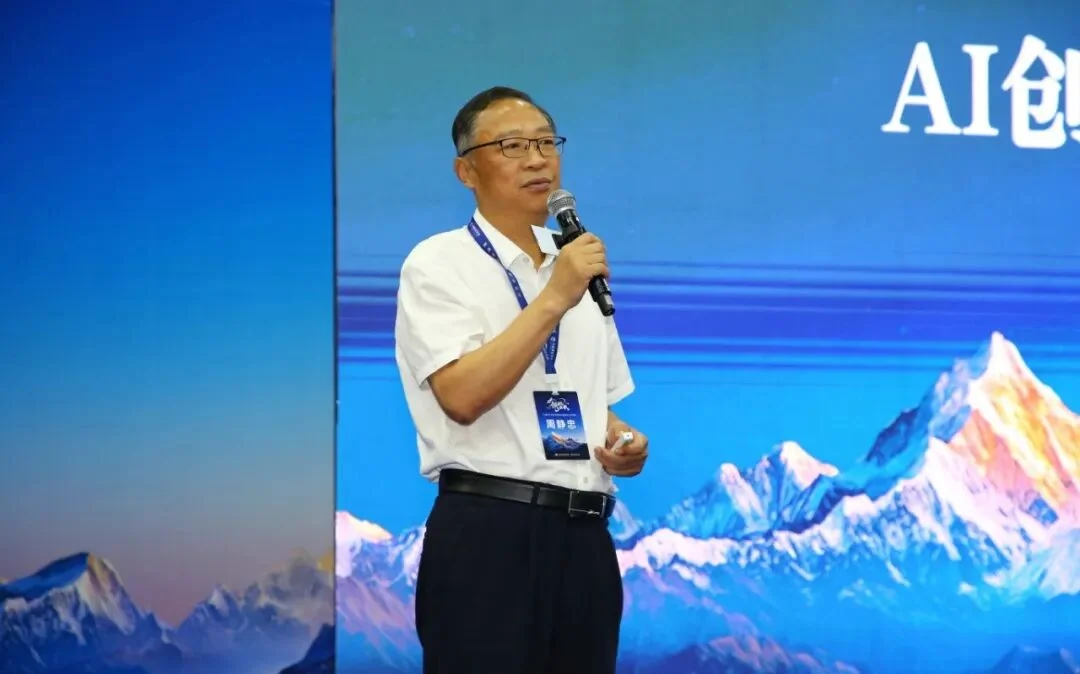
The program approached AI not as a single classroom tool, but as a school-wide leadership challenge.
Quick Answer: What Is Digital Transformation in Education?
Digital transformation in education is the systematic redesign of teaching, learning, professional development and school management with the support of digital technologies.
It is different from simply purchasing devices or software.
A school may have tablets, AI applications and smart displays without being digitally transformed.
Real transformation happens when technology changes how the school identifies problems, supports teachers, organizes learning, evaluates progress and makes decisions.
That requires leadership.
Why AI Has Become a Leadership Issue
When AI first enters a school, many questions appear to be technical.
Which platform should we use?
What system should teachers learn?
How should student data be collected?
But these questions quickly become educational and organizational.
Should teachers change lesson structures?
What should students continue doing independently?
How should AI-assisted work be assessed?
What responsibilities remain with teachers?
How will parents understand the change?
How should schools respond when staff members have very different levels of confidence with technology?
These are leadership questions.

China’s 2026 “AI + Education” Action Plan recognizes this explicitly. In addition to encouraging AI-supported teaching, the plan calls for specialized training to strengthen the AI leadership capabilities of education administrators and asks schools to develop implementation approaches suited to their own conditions.
Step One: Leaders Need to Understand the Direction of Change
The Hailiang summer program began with strategy rather than software.
Chen Junwei, Chairman and President of Hailiang Education Technology Services Group, placed AI within a wider discussion of county-level education development, personalized learning and the long-term role of technology in improving educational quality at scale.
Vice President Zhu Zhougang discussed school development through the themes of reflection, breakthrough, empowerment and collaboration.
Vice President Peng Lei then connected these strategic questions with the AI Creative Thinking Classroom and the practical redesign of teaching.
The sequence was deliberate.
Before leaders decide how to implement technology, they need to understand what educational problem they are trying to solve.
This is one of the central principles of digital leadership in education.
Smart Education Is More Than a Smart Campus
The phrase smart education can easily become associated with hardware.
Smart screens.
Smart attendance.
Smart learning systems.
Smart analytics.
All of these may be useful, but none is sufficient on its own.
A genuinely smart school should also become better at identifying student needs, supporting teachers, sharing effective practices and responding to evidence.
Hailiang’s wider AI education work illustrates this distinction.
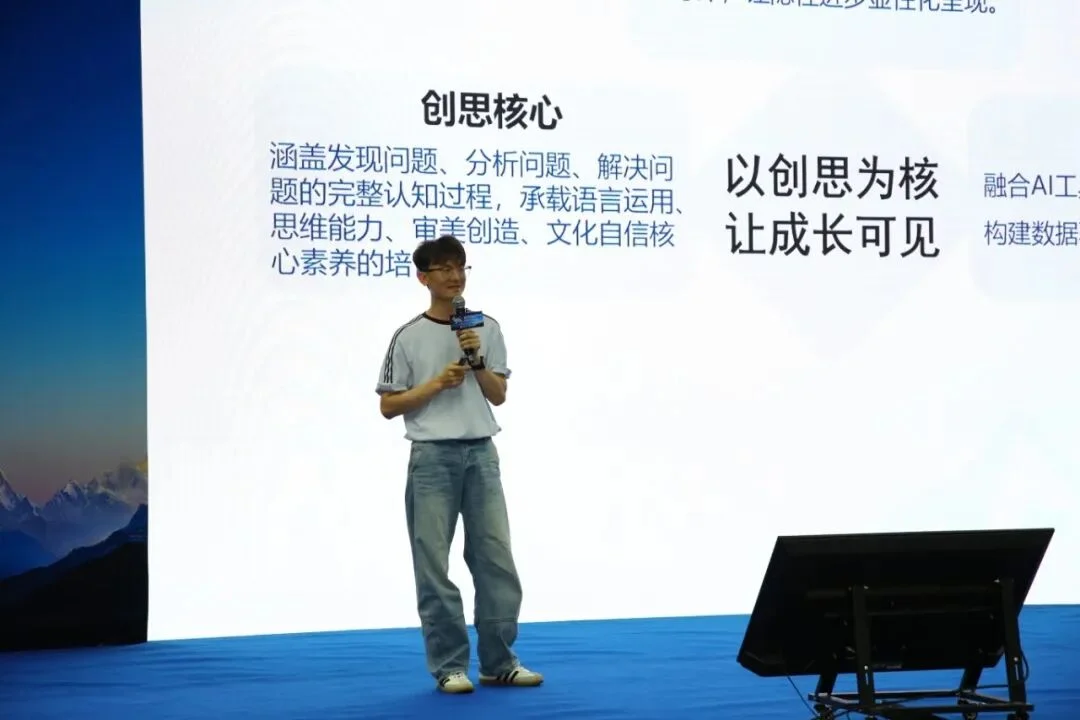
Its AI Creative Thinking Classroom connects learning data, classroom interaction and feedback across the stages before, during and after class. Hailiang has also described AI-supported applications in areas including teacher development, student growth, school governance and campus services.
The broader lesson is that digital transformation works best when different systems contribute to a coherent educational model.
Step Two: Transform the Classroom, Not Just the Infrastructure
School-wide transformation eventually has to become visible in individual lessons.
During the development camp, principals studied school examples and AI Creative Thinking Classroom cases.
They examined how technology affected:
learning objectives;
student tasks;
classroom organization;
teacher-student interaction;
assessment;
feedback;
and student participation.
This matters because school transformation can easily remain at the level of strategic language.
A school may publish an AI strategy.
A principal may announce a digital initiative.
A technology platform may be installed.
But if students experience the same lesson in essentially the same way, transformation has not yet reached the classroom.
For this reason, the program moved repeatedly between system-level strategy and lesson-level evidence.
Step Three: Develop the People Who Will Lead the Change
Technology adoption often fails when implementation is treated as a technical rollout rather than a human transition.
Teachers may worry that new systems will increase workload.
Experienced educators may question whether technology adds genuine value.
Younger teachers may be comfortable with AI tools but less experienced in evaluating their pedagogical consequences.
Department leaders may struggle to define consistent expectations.
Principals therefore need more than technical knowledge.
They need change-management skills.
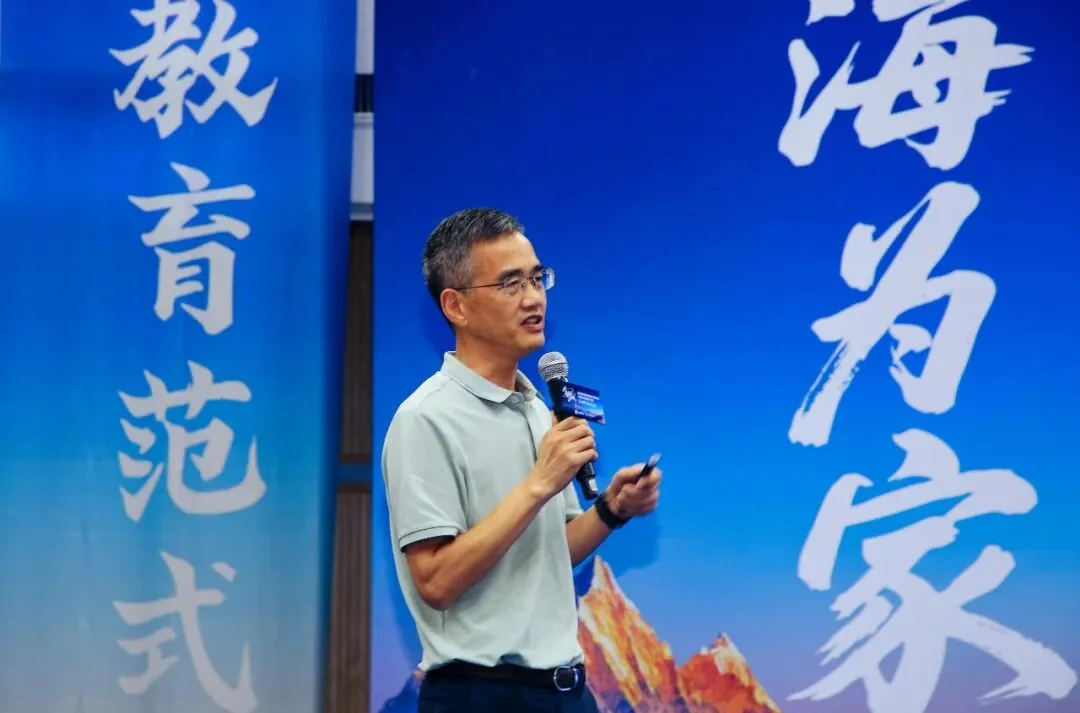
Effective educational leadership training should help leaders understand how to build shared purpose, create opportunities for professional learning, identify early successes, respond to resistance and evaluate whether implementation is genuinely helping students.
The Hailiang program addressed this through both expert learning and first-hand leadership cases.
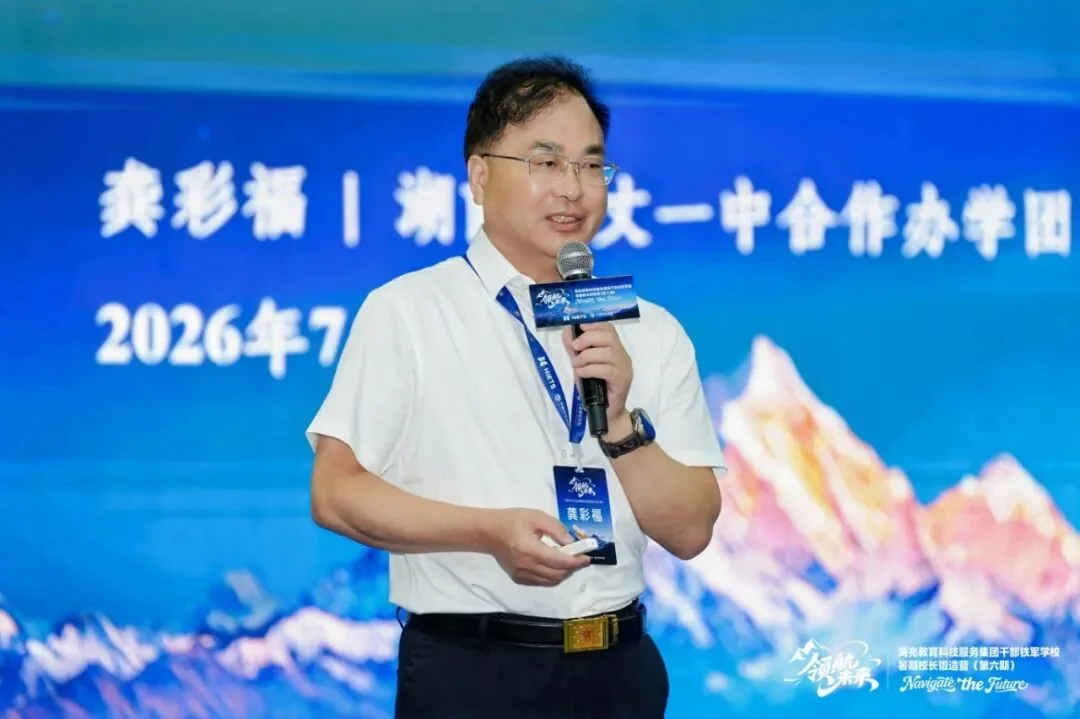
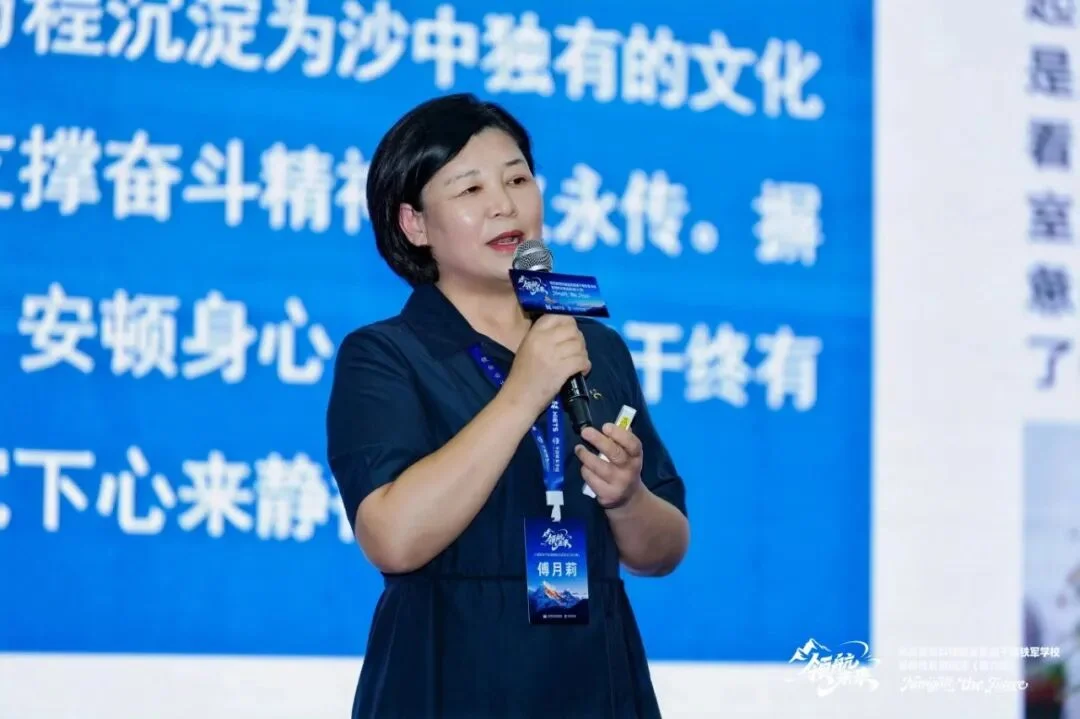
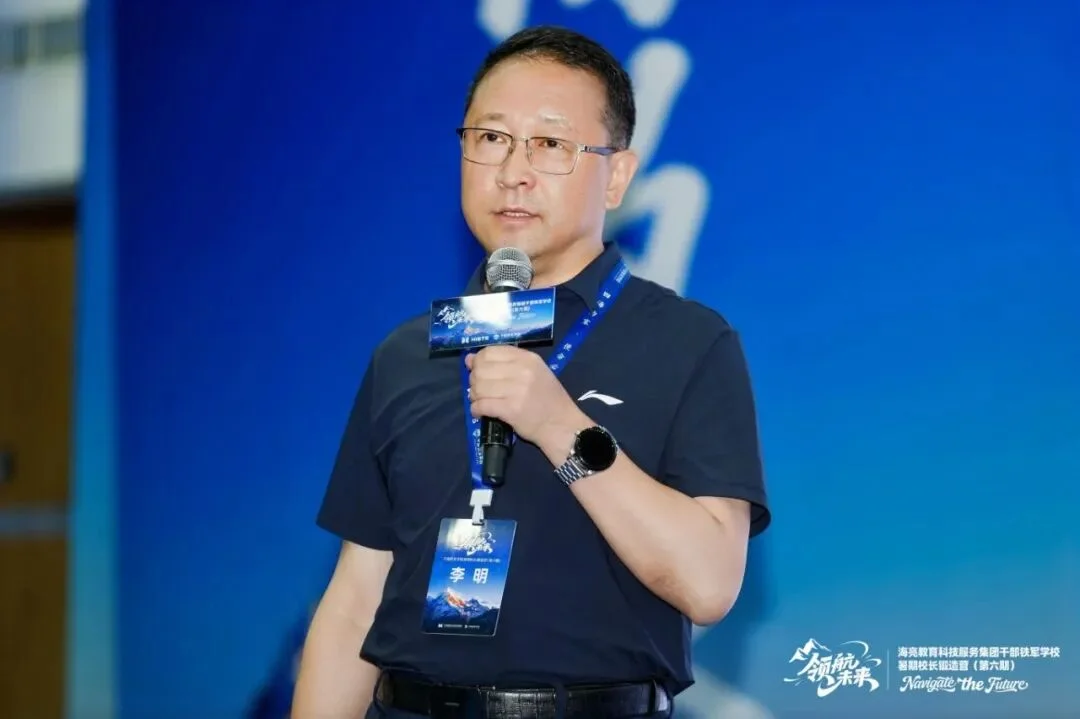
Principals including Zhang Yiming, Gong Caifu, Fu Yueli and Li Ming shared experiences from actual school settings, focusing on challenges such as limited resources, team development, school quality and organizational improvement.
Rather than presenting a single formula, the sessions emphasized a more realistic principle:
A solution that works in one school must still be adapted to the needs of another.
Step Four: Move From Inspiration to an Implementation Plan
Leadership programs can easily end with participants feeling inspired but unsure what to do next.
Hailiang therefore ended the camp with collaborative implementation work.
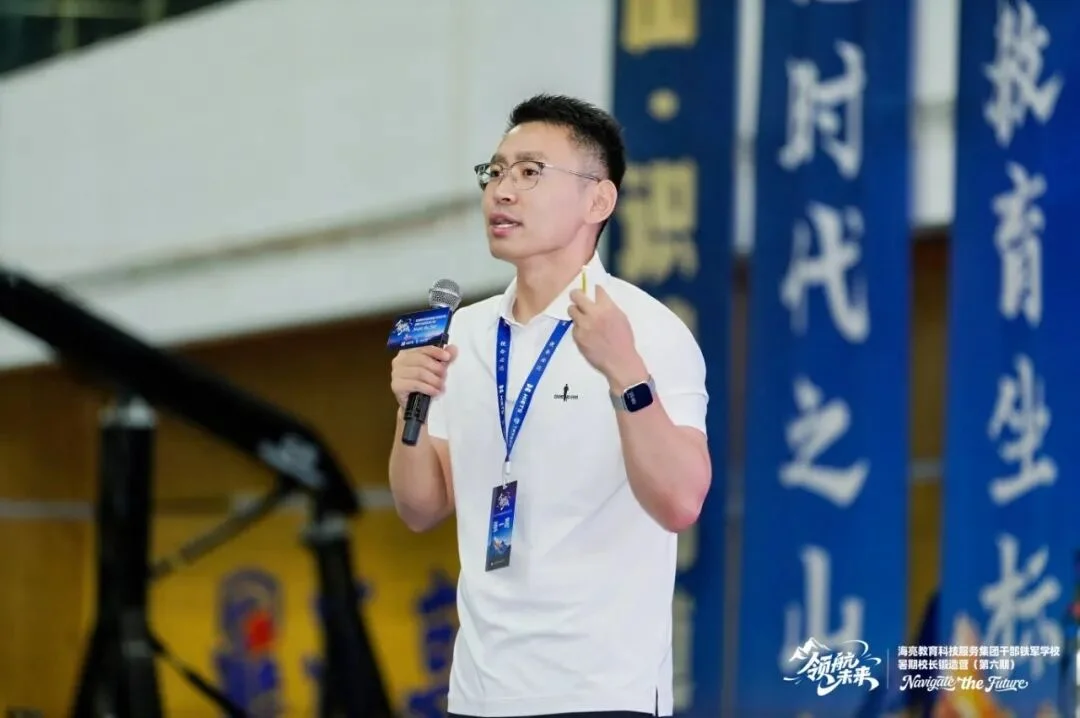
Twenty groups were organized into four larger teams. Participants focused on practical barriers including teacher transition, classroom redesign, technology application and institutional support.
They developed, refined and presented implementation proposals.
This is particularly important in AI-driven education.
Artificial intelligence changes quickly. A school cannot depend on a single fixed implementation manual.
Instead, leaders need a repeatable process:
identify a problem;
define an educational goal;
choose an appropriate use of technology;
pilot the approach;
collect evidence;
review the results;
improve the design;
and then determine whether it should expand.
The technology may change.
The improvement process should remain.
What Should Principals Do About AI?
Interest in AI for principals is likely to grow because principals sit at the intersection of technology, teachers, students, parents and school policy.
They do not need to become AI engineers.
But they do need enough AI literacy to ask better questions.
A principal should be able to ask:
What does this system actually do?
What data does it require?
Who has access to that data?
What evidence supports its educational value?
How will teachers use it?
What training will they receive?
What happens when the AI is wrong?
How will student independence be protected?
How will success be measured?
These questions reduce the risk that technology strategy becomes driven by novelty or marketing.
School Leadership Determines Whether AI Scales
A successful lesson can be created by one innovative teacher.
A successful school-wide transformation cannot.
Scaling requires structures.
Teachers need time to collaborate.
Departments need shared expectations.
School leaders need mechanisms for observing implementation.
Technical teams need to understand educational requirements.
Students and parents need clear guidance.
Successful practices need to be documented and transferred.
That is one reason Hailiang’s leadership development system focuses on principals and school management teams rather than treating classroom innovation as an isolated teacher-level project.
According to the training information provided by Hailiang, its leadership academy has sent 403 participants into education practice across 25 provinces, 105 counties and 180 schools, while developing principals, vice principals and middle-level leaders through its leadership pipeline.
These numbers are useful not because scale itself guarantees quality, but because they show that leadership development is being treated as an organizational capability rather than a one-off event.
County-Level Education Makes Leadership Even More Important
The original purpose of Hailiang’s leadership development work is closely connected to county-level education.
Schools outside major metropolitan areas can face very different combinations of staffing, resources, student backgrounds and management challenges.
Digital technology may help reduce some gaps, but it can also create new ones if implementation assumes that every school has the same conditions.
A platform developed in a high-resource school may not transfer directly to another context.
A professional development model that works with experienced teachers may need to change for a younger faculty.
An AI-supported classroom designed for one student population may require adaptation elsewhere.
Strong leaders therefore do not simply copy a model.
They identify the underlying principle and redesign implementation for their own school.
What Does This Mean for AI in Chinese Schools?
The development of AI in Chinese schools should not be understood as one standardized national classroom model.
China has a very large and diverse education system, and implementation differs between regions and schools.
What is changing at the national level is the direction of travel.
The 2026 “AI + Education” Action Plan calls for AI to support teaching, learning, evaluation, management and teacher development while emphasizing educational goals, human-machine collaboration and responsible application.
Individual schools still need to translate that policy direction into daily practice.
The quality of that translation will depend heavily on leadership.
Why This Matters to Families Choosing a School in China
International parents may not initially think about school leadership when comparing education options.
They may focus first on curriculum, university destinations, class size, language support and facilities.
Those factors matter.
But leadership determines how many of those promises are actually experienced by students.
Parents can therefore ask:
How does the school decide which technologies to adopt?
How are teachers trained?
How does the school evaluate new teaching approaches?
Can teachers share feedback with leadership?
How are student privacy and responsible AI use addressed?
Can the school show examples of classroom change rather than only technology facilities?
How does the school respond when an initiative does not work as expected?
These questions provide a clearer picture of whether a school has a culture of continuous improvement.
How HIS Fits Into the Wider Hailiang Education Environment
Hailiang International School operates within the wider Hailiang education ecosystem in Zhejiang Province.
HIS describes itself as an international boarding school combining Chinese and international educational approaches and providing pathways for international, overseas Chinese, Hong Kong, Macao and Taiwan students.
The school offers Chinese-medium and English-medium pathways, with the English-medium route based on the Cambridge curriculum and leading toward IGCSE and A-Level qualifications.
Importantly for this discussion, HIS is not completely separate from Hailiang’s wider classroom reform work.
In April 2026, its curriculum reform team participated in an AI Creative Thinking Classroom exchange, observing multidisciplinary demonstration lessons and discussing the direction of curriculum reform.
For families, this illustrates one potential benefit of studying within a larger education ecosystem: schools can access professional exchanges, teacher learning and educational practices developed across a wider network.
Families should still confirm the current programs and technology practices available to students in the grade they are considering.
Digital Transformation Is a Journey, Not an Installation
Digital transformation in education does not begin when a school purchases technology.
And it does not end when an AI system goes live.
It is an ongoing process of asking whether teaching, learning and school decision-making are becoming better.
Hailiang’s summer principal development camp framed school leaders as the people responsible for making that process possible.
They must understand the direction of change.
They must help teachers translate ideas into classroom practice.
They must create systems that allow successful practices to spread.
And they must remain willing to revise the approach when evidence shows that something is not working.
Technology may accelerate change.
Leadership determines its direction.
Frequently Asked Questions
What is digital transformation in education?
Digital transformation in education is the systematic use of digital technology to redesign teaching, learning, teacher development, assessment and school management. It involves organizational and educational change rather than simply adding devices or software.
What is smart education?
Smart education uses technology, data and intelligent systems to improve learning and school operations. Effective smart education remains focused on students, teachers and educational outcomes rather than technology itself.
What is digital leadership in education?
Digital leadership in education is the ability of school leaders to guide responsible and effective technology-supported change. It includes strategy, teacher development, technology evaluation, data governance, change management and educational decision-making.
Why is educational leadership training important?
Leadership training helps principals and school managers translate educational goals into sustainable school practices. This becomes especially important when schools introduce fast-changing technologies such as artificial intelligence.
How can principals prepare schools for AI?
Principals can begin by defining educational goals, establishing responsible-use policies, developing teacher capability, piloting AI in selected scenarios, reviewing evidence and expanding only practices that provide clear educational value.
What does AI-driven education mean?
AI-driven education generally refers to educational environments where artificial intelligence supports areas such as teaching, personalization, feedback, analysis or school management. The strongest models keep educators responsible for educational goals and major decisions.
How is China approaching AI in education?
China’s 2026 national “AI + Education” Action Plan promotes AI across teaching, learning, teacher development, educational management and broader AI literacy while also emphasizing human-centered and responsible implementation.
What should families look for when they study in China?
Families should evaluate curriculum, language support, teacher quality, student wellbeing, university pathways and the way a school implements technology. For AI specifically, parents should ask how teachers are trained, how student data is protected and whether AI is improving actual learning.