


How Teacher Preparation Programs Are Building Future Education Leaders in China
 2026.9.21
What makes a great school?
Curriculum matters. Facilities matter. Technology matters. But behind all of them are the teachers and school leaders who turn educational ideas into students’ everyday learning experiences.
That is why the way educators are prepared deserves more attention.
Traditional teacher education has often concentrated on subject knowledge, teaching methods, educational psychology, and classroom management. These foundations remain essential, but they are no longer enough on their own.
Future educators are entering schools where they may need to respond to artificial intelligence, personalized learning, changing student needs, cross-cultural classrooms, new forms of assessment, and increasingly complex expectations from families and communities.
Preparing them for this environment requires more than lectures.
It requires experience.
Modern teacher preparation programs are therefore moving toward a broader model that connects academic knowledge with school-based practice, professional mentoring, reflection, and leadership development.
This shift is especially relevant in China, where universities, schools, and education organizations are exploring new ways to develop teachers and future school leaders.
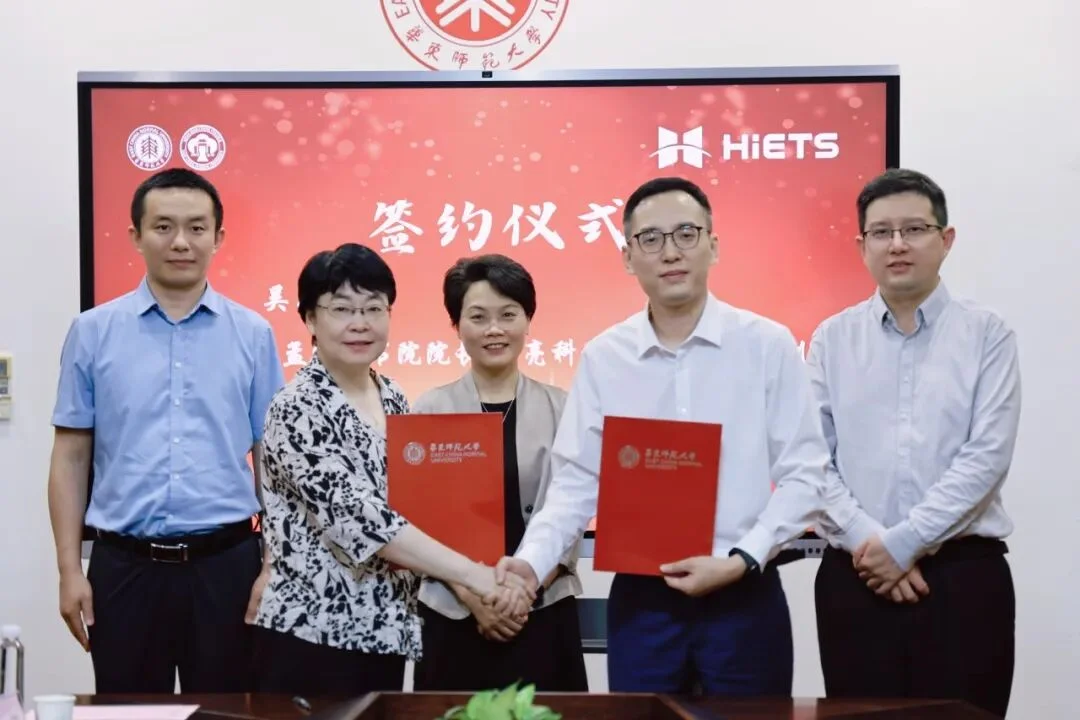
One example is the Future Principal Class jointly developed by Hailiang Education Technology Services Group and East China Normal University. Rather than treating teacher preparation and school leadership as two completely separate stages, the initiative creates opportunities for young education professionals to encounter authentic school environments early in their development.
For international families considering whether to study in China, this matters as well. Choosing a school is not only about comparing curricula or university destinations. Families may also want to understand how a school develops the people responsible for delivering education.
At HIS, this wider educational environment is reflected in its approach as an international school in China, combining international education with Chinese cultural understanding and long-term student development.
Ultimately, educational quality depends not only on what a school teaches, but also on how well its educators are prepared to teach, lead, adapt, and grow.
Why Modern Teacher Preparation Programs Need More Than Classroom Theory
Future teachers need strong academic foundations.
They need to understand curriculum design, educational psychology, assessment, instructional strategies, classroom management, and student development.
But knowing educational theory and applying it in a real school are different challenges.
A university course may explain how differentiated instruction works.
A real classroom asks the teacher to recognize, often within minutes, which students understand a concept, which are struggling, which need additional challenge, and how the lesson should change in response.
A course may introduce theories of school leadership.
A real school asks leaders to coordinate teachers, communicate with families, manage resources, support students, respond to unexpected problems, and maintain a shared educational direction at the same time.
That gap between knowing and doing is one of the central challenges of educator preparation.
This is why practice based teacher education has become increasingly important.
Instead of treating school practice as a short experience added near the end of university study, a practice-based approach integrates authentic educational situations into professional development.
Future educators may observe experienced teachers, participate in school projects, work with mentors, analyze real problems, reflect on their decisions, and gradually take greater responsibility.
The goal is not simply to accumulate hours inside a school.
The goal is to develop professional judgment.
That distinction matters.
Teaching is rarely a process of applying one fixed method to every student. Teachers constantly interpret information, make decisions, evaluate results, and adjust their practice.
Strong teacher preparation programs therefore need to help participants develop the ability to think like educators, rather than simply memorize what educators are expected to do.
This emphasis on learning through authentic situations also connects with the way students themselves grow. HIS explores this idea through student life while studying in China, where participation, collaboration, responsibility, and leadership extend learning beyond conventional classroom instruction.
From University Knowledge to Real School Practice
Universities and schools contribute different strengths to educator development.
Universities can provide educational research, theoretical frameworks, specialist knowledge, and opportunities to examine education from a broader perspective.
Schools provide something different: reality.
They show how curriculum decisions affect actual classrooms, how teachers work together, how students respond to different approaches, and how educational management operates from day to day.
When these strengths are combined, future educators gain a more complete understanding of the profession.
The Future Principal Class reflects this idea by combining university learning with practical educational experience.
Participants are not expected to view theory and practice as separate worlds.
Instead, academic ideas can be tested against real educational questions:
How should a curriculum be improved?
How can teacher motivation be strengthened?
How can a school respond when students have very different learning needs?
How can technology improve education without distracting from learning itself?
How can school leaders create conditions in which teachers continue to develop?
These questions cannot be answered by theory alone.
But practice without reflection is also limited.
The value comes from connecting the two.
This is one of the central ideas behind practice-based teacher education: professional knowledge becomes more useful when future educators can examine it in authentic teaching and school-management situations.
For both students and future educators, meaningful development often happens when knowledge is placed in a real context.
The Future Principal Class: Preparing Education Leaders Earlier
A principal does not suddenly become an education leader on the first day of appointment.
Leadership capacity develops over time.
Before someone can lead a school effectively, they need opportunities to understand classrooms, teachers, students, curriculum, organizational culture, and educational decision-making.
This is why the idea behind an educational leadership program is broader than conventional management training.
Future education leaders need to understand teaching first.
They need to see how decisions made at the leadership level eventually affect students in classrooms.
They also need to recognize that school leadership is not simply administrative work.
It involves creating the conditions in which good education can happen.
That may include supporting teacher development, improving curriculum, building school culture, coordinating resources, responding to change, and setting long-term educational priorities.
The Future Principal Class is designed around this longer pathway.
Participants can develop professional knowledge while gradually gaining exposure to educational management and authentic school scenarios.
This creates a bridge between being a learner of education and eventually becoming someone capable of influencing educational systems.
It also reflects a larger principle of educational leadership development:
Leadership should be cultivated before leadership positions are assigned.
Hailiang’s wider education ecosystem also places school leadership within the context of educational change. Its discussion of school leadership in digital transformation shows why future leaders increasingly need to understand not only people and curriculum, but also how technological change should be introduced into schools.
From “How Do I Teach?” to “How Can the School Improve?”
Teacher preparation often begins with a classroom-level question:
How can I teach effectively?
Leadership development introduces another level of thinking:
How can the whole school improve?
The difference is important.
A classroom teacher may focus on lesson planning, student engagement, assessment, and individual learner needs.
A school leader also needs to think about curriculum consistency, professional learning, organizational priorities, teacher collaboration, school culture, and long-term development.
Effective educational leadership development therefore expands the participant’s perspective.
Future leaders gradually learn to connect individual classroom experiences with broader school systems.
For example, if students are struggling in one subject, the immediate question may be how the lesson should change.
But a school-level perspective asks additional questions.
Is the curriculum appropriately sequenced?
Do teachers have enough opportunities to collaborate?
Is assessment providing useful information?
Do educators have access to relevant professional development?
Is technology solving a real learning problem, or merely adding another tool?
These are leadership questions.
They become particularly important as schools respond to technological change.
The experience described in digital transformation in education illustrates an important principle: meaningful educational innovation depends on leadership decisions, teacher participation, and clear learning goals—not technology alone.
For future school leaders, that distinction is increasingly important.
Learning Leadership Through Real Educational Scenarios
Educational leadership cannot be learned entirely from case studies.
Real schools are dynamic environments.
Students have different needs.
Teachers have different experiences.
Families have different expectations.
Unexpected problems arise.
Decisions often need to balance immediate needs with long-term educational goals.
That is why authentic experience is a critical part of a strong teacher preparation program.
Through school-based practice, future educators can observe how experienced leaders respond to these realities.
They may encounter questions involving:
curriculum improvement;
teacher collaboration;
student development;
school culture;
educational technology;
resource coordination;
communication with families;
professional development.
The purpose is not to give young participants immediate responsibility for every major school decision.
It is to help them understand how educational decisions are made and what consequences those decisions may have.
Over time, observation can develop into participation.
Participation can develop into reflection.
Reflection can develop into professional judgment.
This progression is one of the most valuable aspects of practice-based teacher education.
Why Mentorship Matters in a Teacher Preparation Program
Experience alone does not automatically produce expertise.
What matters is how that experience is interpreted.
This is where mentorship becomes important.
An experienced educator can help a future teacher or school leader understand not only what happened in a particular situation, but why.
Why did one classroom strategy succeed while another did not?
Why did a school leader choose one response rather than another?
Why was a curriculum adjustment necessary?
Why did a particular communication approach work with one group of students but fail with another?
Mentors help participants connect action with reasoning.
This transforms school practice from simple observation into professional learning.
The Future Principal Class uses mentorship and practical experience to give participants access to perspectives that are difficult to obtain through coursework alone.
Such guidance is particularly useful when participants begin encountering new educational technologies.
The challenge is no longer simply learning how a digital tool works.
Future educators must decide when the tool actually improves teaching.
HIS examines this question in AI for teachers and classroom transformation, where the focus moves beyond simply introducing AI tools toward lesson design, student participation, feedback, and professional teacher judgment.
For future educators, that ability to evaluate technology through an educational lens may become as important as technical familiarity itself.
A Full-Cycle Approach to Education Talent Development
Some training programs are designed around a single course, workshop, or certification.
Developing future education leaders requires a longer perspective.
A comprehensive teacher preparation program should consider at least three stages:
Who enters the pathway?
How are they developed?
What opportunities allow them to continue growing afterward?
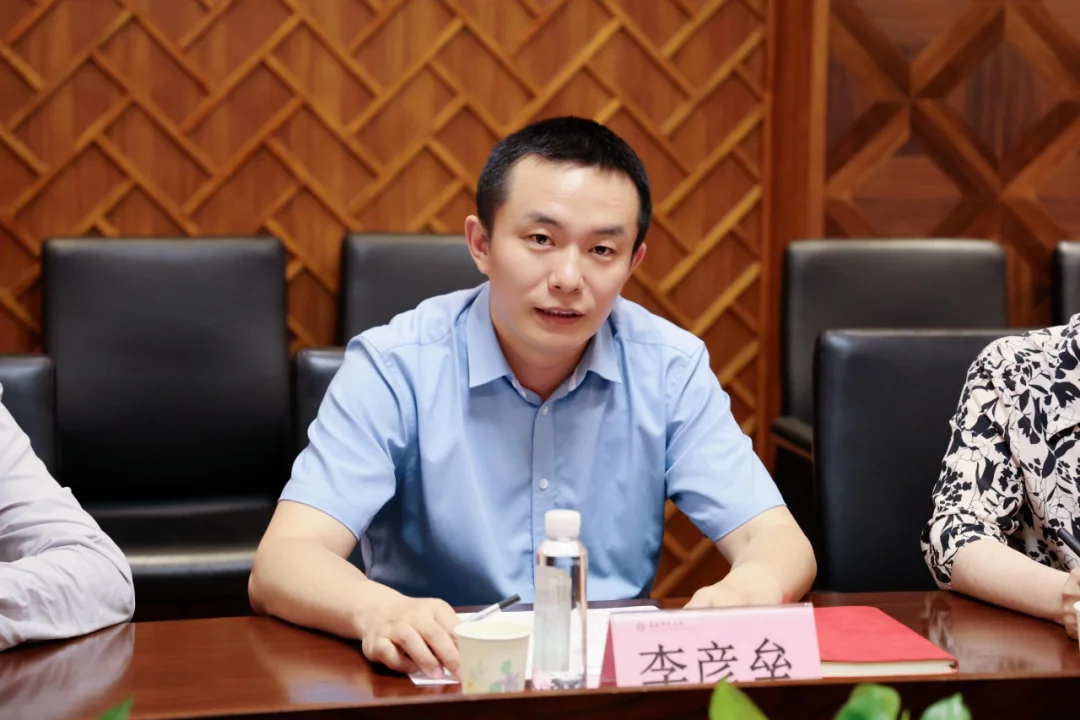
The Future Principal Class belongs to Hailiang’s broader approach to education talent development, connecting talent selection, professional preparation, school-based experience, and future career growth.
This matters because teachers do not finish developing when they begin working.
In many ways, entering a school is only the beginning.
New educators continue learning from colleagues, students, mentors, classroom experience, professional development, and changes in education itself.
The same applies to future school leaders.
Strong preparation creates a foundation, but leadership continues to develop through practice.
Technology is one example. As AI in the classroom becomes part of modern education, teachers need more than access to new tools. They need the professional judgment to determine when and how those tools support meaningful student learning.
This is also one reason international families evaluating an international school in China may want to look beyond visible facilities and course lists.
Questions worth considering include:
How does the school support teacher growth?
Do teachers collaborate and learn from one another?
How does the school prepare educators for changing student needs?
What role does leadership play in improving teaching?
Does professional development translate into classroom practice?
These questions reveal something important about educational quality.
The learning experience students receive tomorrow depends partly on how schools develop their educators today.
Teacher Education in China Is Moving From Preparation to Continuous Development
The changing role of teachers is also changing the meaning of teacher education in China.
Preparation can no longer be viewed as something that ends when a graduate receives a degree or enters a classroom.
Educators increasingly need continuous development across their careers.
Technology changes.
Curriculum changes.
Students change.
Expectations change.
Professional learning therefore becomes an ongoing process connecting initial preparation, classroom experience, specialized training, leadership development, and reflection.
Programs such as the Future Principal Class illustrate one way this continuum can begin earlier.
Young education professionals can encounter teaching practice and school management before formally entering senior leadership roles.
This does not mean every participant must eventually become a principal.
Leadership skills can also strengthen classroom teaching, collaboration, problem-solving, communication, and professional responsibility.
In that sense, preparing future education leaders is not simply about filling future management positions.
It is about developing educators capable of understanding both individual learners and the larger systems that support them.
For international families exploring opportunities to study in China beyond the classroom, that broader view of teacher quality can provide a more meaningful way to evaluate schools.
Behind every curriculum is a teacher.
Behind every strong teaching team is a culture of professional development.
And behind sustainable school improvement are people who have been prepared not only to teach, but also to learn, adapt, collaborate, and lead.