



Building Future School Leaders Through Educational Leadership Development
 2026.9.22
Preparing teachers for the classroom is only one part of building a strong education system.
Schools also need professionals who can understand learning from a broader perspective: educators who can support teaching teams, improve curriculum systems, develop school culture, and guide educational innovation.
This is why educational leadership development has become an increasingly important part of modern education.
A future school leader is not simply someone who manages schedules, resources, or administrative tasks.
A strong education leader understands people.
They understand students.
They understand teachers.
They understand how decisions made at the organizational level influence learning outcomes.
For this reason, effective leadership preparation often begins long before someone officially becomes a principal.
Why Schools Need a New Generation of Education Leaders
Education systems today face challenges that are very different from those of previous generations.
Schools must respond to:
rapidly developing technology;
increasingly diverse student backgrounds;
changing expectations from families;
new approaches to curriculum design;
demand for personalized learning.
These changes require leaders who can connect educational vision with practical action.
A principal is not only responsible for daily operations.
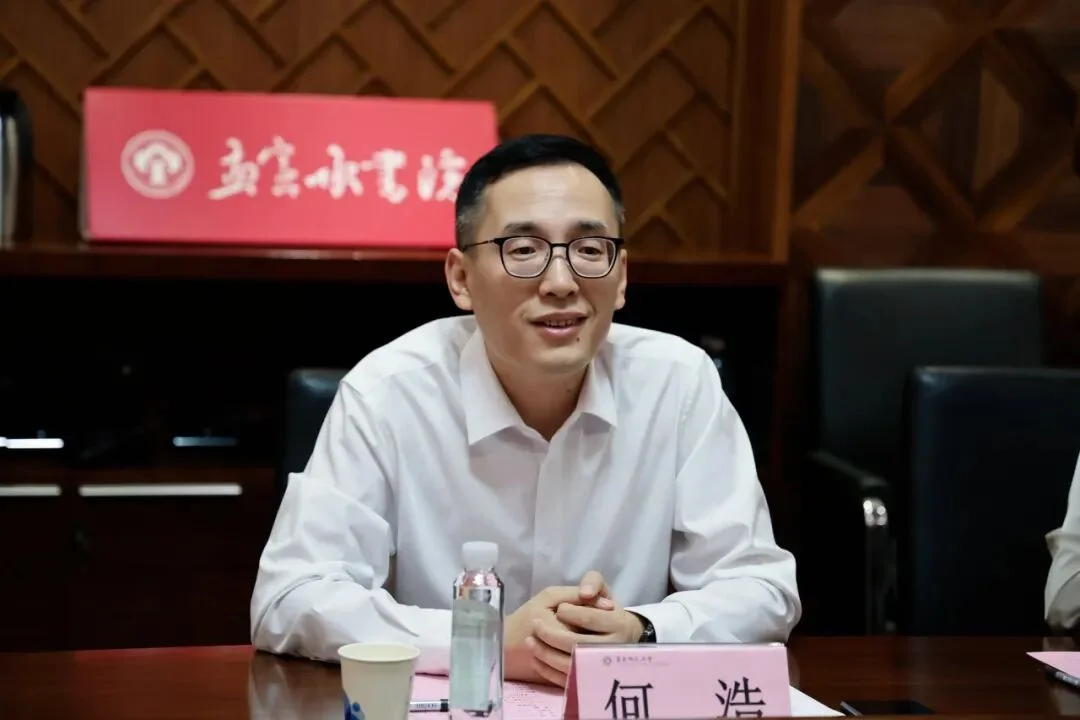
A principal helps define:
what a school values;
how teachers collaborate;
how students are supported;
how innovation is introduced;
how educational quality improves over time.
This is why a modern principal training program needs to go beyond traditional management skills.
Future principals need experience in teaching, communication, decision-making, organizational development, and educational improvement.
The earlier these abilities are developed, the stronger the foundation for future leadership becomes.
From Teacher Development to School Leadership
Strong schools are not built only by individual excellent teachers.
They are built by communities of educators who continue learning together.
This idea changes the way education systems think about talent development.
A teacher’s professional journey does not end when they enter a classroom.
Instead, it develops through multiple stages:
Becoming an effective classroom teacher;
Developing professional expertise;
Supporting colleagues and sharing experience;
Taking responsibility for wider school development;
Growing into leadership roles.
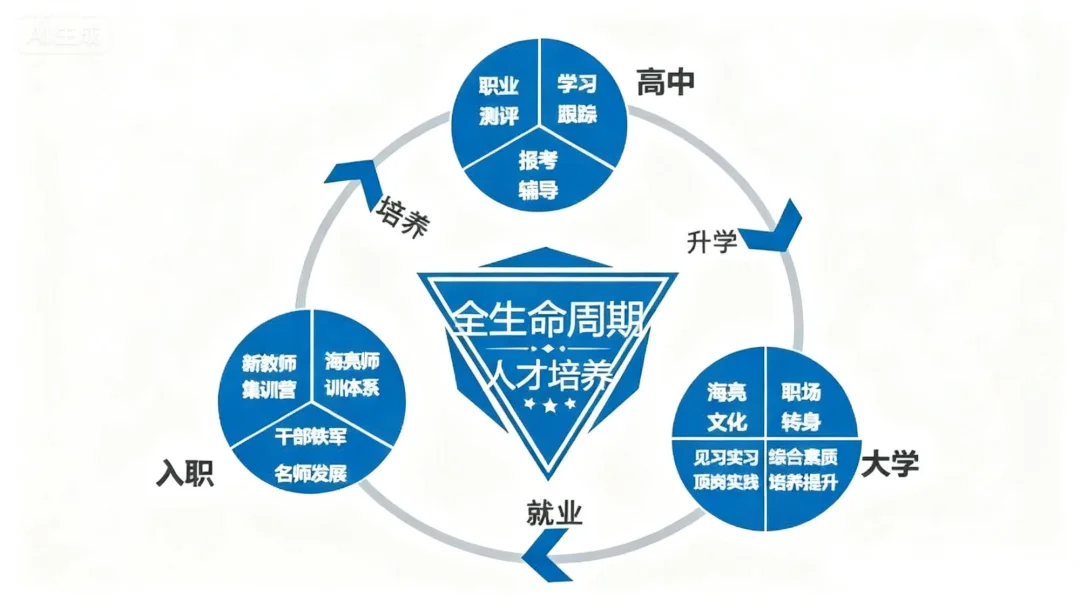
This progression connects teacher preparation with leadership development.
A comprehensive educational leadership program therefore should not separate teachers and leaders completely.
Many effective school leaders first develop deep classroom experience before taking on broader responsibilities.
They understand teaching challenges because they have experienced them directly.
They understand teacher development because they have gone through the process themselves.
This connection between teaching and leadership is essential for sustainable school improvement.
The Role of Mentorship in a Principal Training Program
Leadership cannot be developed through theory alone.
Reading about leadership principles is valuable.
Studying educational management models is valuable.
But future leaders also need opportunities to observe, practice, and reflect.
Mentorship provides this connection.
An experienced principal or education leader can help emerging professionals understand questions that cannot easily be answered in textbooks:
Why does one school reform succeed while another struggles?
How can leaders encourage teachers to embrace change?
How should schools balance innovation with stability?
How can leaders create trust among teachers, students, and families?
Through mentoring relationships, future leaders gradually develop professional judgment.
This is one reason practical experience is becoming increasingly important in principal training programs.
Leadership is not simply knowing what decisions to make.
It is understanding why a decision matters, how it affects others, and how to adjust when circumstances change.
A Practice-Oriented Model of Teacher Education in China
The development of education leaders reflects a broader transformation in teacher education in China.
For many years, teacher education focused primarily on preparing individuals to enter the teaching profession.
Today, the focus is expanding.
Teacher education increasingly emphasizes:
continuous professional learning;
practical classroom experience;
collaboration between institutions;
leadership capacity;
lifelong career development.
The Future Principal Class represents this broader direction by connecting university-based learning with school-based practice.
Participants can gain exposure to real educational environments while learning from experienced professionals.
This approach reflects an important principle:
Teachers should not only be prepared for their first classroom.
They should be prepared for an entire professional journey.
Connecting Educational Innovation With Leadership
Modern education leaders also need to understand technological transformation.
Artificial intelligence, digital learning platforms, and data-driven education tools are changing how teachers design lessons and support students.
However, technology itself does not automatically improve education.
Leadership determines whether technology is introduced with a clear educational purpose.
A school leader must consider:
Does this tool improve student learning?
Does it support teachers rather than replace professional judgment?
Does it create meaningful learning opportunities?
How should teachers be supported during implementation?
HIS explores these questions through its discussion of AI in classroom innovation and K12 education, showing how educational technology works best when combined with thoughtful teaching practice.
For future leaders, understanding technology is therefore not only about learning new tools.
It is about making better educational decisions.
How Education Leadership Shapes Student Experience
Although leadership often happens behind the scenes, students experience its impact every day.
A school’s leadership influences:
classroom quality;
teacher collaboration;
student support systems;
extracurricular opportunities;
campus culture.
For families choosing where to study in China, these factors can be just as important as curriculum options.
Parents often ask:
What subjects will my child study?
What examinations will they take?
Which universities can they apply to?
These questions matter.
But another important question is:
Who are the educators guiding my child’s growth?
A school with strong professional development systems is more likely to create an environment where teachers continue improving.
HIS highlights this broader educational environment through its focus on personalized education pathways for international students, helping students receive support based on their individual goals and learning needs.
Behind personalized student learning is often a team of educators who are continuously learning themselves.
The Future of Education Depends on the Growth of Educators
The future of education is ultimately the future of people.
New technologies may change classrooms.
New curricula may change teaching methods.
New global trends may change educational expectations.
But teachers and leaders remain central.
A strong teacher preparation program creates the foundation.
Continuous professional learning strengthens capability.
Educational leadership development creates the people who can guide schools through change.
Together, these elements create a complete pathway for educational improvement.
The Future Principal Class reflects this philosophy by supporting young education professionals as they develop from learners into practitioners, and from practitioners into potential leaders.
This approach represents a broader understanding of education:
The goal is not only to prepare people for existing roles.
The goal is to prepare them for future possibilities.
What International Families Can Learn From China’s Education Development
For families considering an international school in China, understanding teacher and leadership development provides a deeper perspective on school quality.
A strong educational environment is created through many connected elements:
qualified teachers;
continuous professional development;
effective leadership;
innovative learning approaches;
supportive school culture.
Families can explore HIS programs and learning opportunities through its study tour experience in China, gaining a closer understanding of how international education operates within the Chinese context.
Experiencing a school directly can reveal something that rankings and facilities alone cannot show:
How people learn together.
How teachers inspire students.
How educational communities grow.
Frequently Asked Questions (FAQ)
What is a teacher preparation program?
A teacher preparation program is a structured pathway that helps future educators develop teaching knowledge, practical classroom skills, and professional abilities before and during their teaching careers.
Modern programs often combine academic learning, mentoring, classroom experience, and leadership development.
Why is educational leadership development important?
Educational leadership development helps future school leaders build the ability to improve teaching quality, support educators, manage change, and create better learning environments.
Strong leadership can influence the long-term development of an entire school community.
How are teachers trained in China?
Modern teacher education in China increasingly combines university-based learning with practical school experience, professional development, and opportunities for leadership growth.
New models emphasize continuous learning rather than one-time preparation.
Why does teacher development matter when choosing a school?
Teachers directly influence students’ daily learning experiences.
Schools that invest in professional development can create stronger teaching teams and more supportive learning environments.
For families planning to study in China, understanding how schools develop educators can provide another way to evaluate educational quality.
Conclusion
The strongest schools are not built only through buildings, technology, or curriculum documents.
They are built through people.
By investing in teacher preparation programs, professional growth, and educational leadership development, education systems can create teachers and leaders who are ready for the challenges of tomorrow.
For international families exploring education opportunities in China, the development of educators offers an important window into the quality and culture of a school.
Because every great learning experience begins with the people who make it possible.