



Teacher Professional Development in China: How Hailiang Builds Future Educators Through Continuous Growth
 2026.9.30
When families choose a school, they often begin with visible factors.
They compare curriculum systems.
They research academic pathways.
They consider campus facilities, extracurricular activities, and university opportunities.
However, one factor often determines the quality of a student’s daily learning experience more directly than anything else:
The teachers.
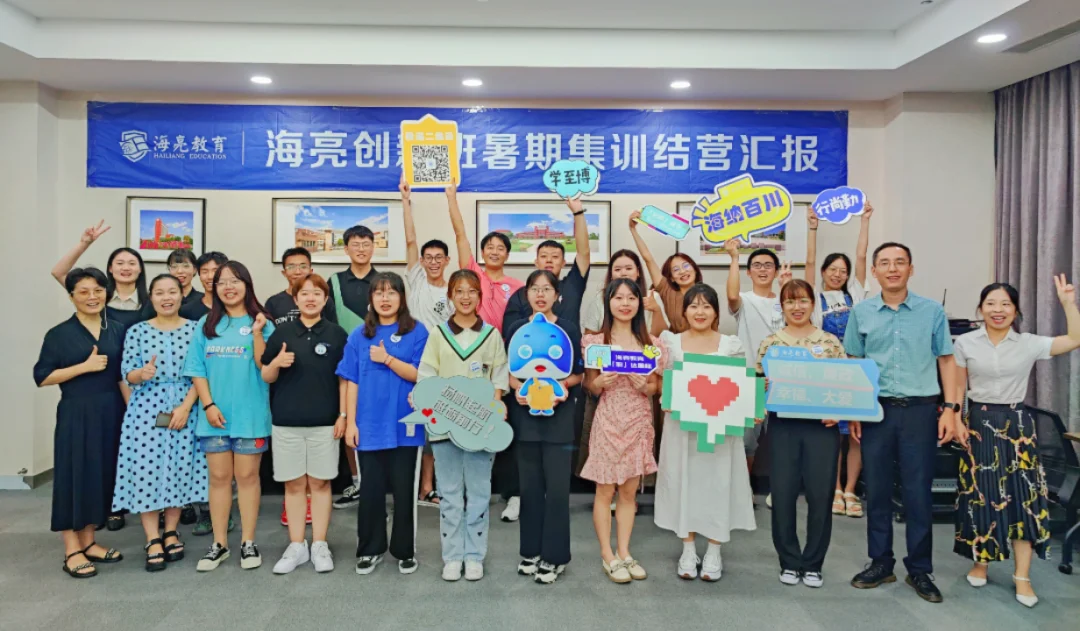
A school’s educational philosophy can only become meaningful when teachers have the knowledge, skills, and professional support needed to transform ideas into effective learning experiences.
This is why teacher professional development has become one of the most important topics in modern education.
In previous generations, teacher preparation was often viewed as something completed before entering the profession. Teachers studied education, received qualifications, and gradually improved through classroom experience.
Today, this approach is no longer sufficient.
Education is changing rapidly.
Teachers now work in environments influenced by:
artificial intelligence;
digital learning platforms;
diverse cultural backgrounds;
personalized learning needs;
global educational connections.
These changes require teachers to continuously develop throughout their careers.
Modern teacher professional development is therefore not simply about learning new teaching methods.
It is about helping educators become lifelong learners who can adapt, innovate, collaborate, and support student growth.
For international families planning to study in China, understanding how schools develop their teachers provides another valuable perspective when evaluating educational quality.
At HIS, this philosophy is reflected through its focus on professional educators, student growth, and international learning experiences. Families can explore more about the school’s educational approach through Hailiang International School’s education philosophy.
A strong school does not only ask:
“How can we teach students better today?”
It also asks:
“How can we help educators continue becoming better tomorrow?”
What Is Teacher Professional Development?
Teacher professional development refers to the continuous process through which educators improve their professional knowledge, teaching abilities, classroom practices, and leadership capabilities.
It is broader than traditional teacher training.
A short workshop may introduce a new educational method.
Professional development helps teachers understand:
why a method works;
when it should be applied;
how it should be adjusted;
how student responses should influence future teaching decisions.
Effective professional development may include:
mentoring from experienced teachers;
classroom observation;
collaborative lesson planning;
curriculum research;
technology training;
teaching reflection;
leadership opportunities.
The purpose is not simply to provide teachers with more information.
The purpose is to improve professional judgment.
Teaching is a complex process.
A strategy that works well in one classroom may not achieve the same results in another because teachers must constantly respond to:
student differences;
classroom dynamics;
learning progress;
individual needs.
Therefore, teacher professional development helps educators move beyond delivering lessons and toward designing meaningful learning experiences.
Why Continuous Teacher Growth Matters for Schools
A school is not only a place where students learn.
It is also a place where educators continue learning.
When teachers grow professionally, the impact extends beyond individual classrooms.
Improving Teaching Quality
Teachers who regularly reflect on their practice are more likely to discover effective approaches and improve student engagement.
Strengthening Collaboration
Professional development encourages teachers to exchange ideas, share resources, and learn from colleagues.
Building School Culture
When continuous learning becomes part of a school culture, improvement becomes a shared responsibility.
Supporting Student Growth
Ultimately, teacher development influences what students experience every day:
more effective lessons;
better feedback;
stronger support systems;
richer learning opportunities.
For families considering an international school in China, understanding teacher development systems can provide insight into the deeper quality of a school.
Facilities show what students can access.
Teachers determine how students experience learning.
From Teacher Training Programs to Professional Growth
Many people understand a teacher training program as a course designed to teach specific skills.
Examples include:
classroom management;
curriculum design;
assessment strategies;
educational technology.
These areas are important.
However, effective teacher development goes beyond skill training.
A strong teacher training program connects professional learning with real educational situations.
Instead of only asking:
“What methods should teachers know?”
A stronger approach asks:
“How can teachers apply these methods effectively with different learners?”
This difference is essential.
Education is not a mechanical process.
Every classroom contains different students, different challenges, and different learning needs.
Therefore, modern teacher development increasingly combines:
Knowledge
Understanding educational theories and research.
Practice
Applying ideas in real classroom situations.
Reflection
Analyzing results and improving future decisions.
Collaboration
Learning through professional communities.
This combination allows teachers to develop sustainable professional abilities.
Hailiang’s Practice-Oriented Approach to Teacher Development
Teacher growth becomes most meaningful when learning is connected with authentic educational environments.
Teachers do not improve only by studying theories.
They improve by applying ideas, observing results, receiving feedback, and continuously adjusting their practice.
This principle is reflected in Hailiang’s broader approach to education.
Modern educators are not simply curriculum implementers.
They are also:
learning designers;
student mentors;
educational innovators;
members of professional learning communities.
Through continuous training, collaboration, and practical experience, teachers can strengthen their ability to respond to changing educational needs.
This is particularly important in international education environments, where teachers often support students from different cultural and academic backgrounds.
A successful educator needs more than subject knowledge.
They also need:
communication skills;
cultural understanding;
adaptability;
creativity;
the ability to support individual learners.
HIS explores similar ideas through its discussion of personalized education pathways in China, showing how schools can better respond to students’ different goals, interests, and learning needs.
Behind personalized education is always teacher capability.
Teachers need continuous professional growth in order to design learning experiences that truly meet individual students.
Building a Culture of Learning Among Educators
The strongest schools do not treat professional development as an occasional activity.
They create a culture where teachers learn continuously.
This culture may include:
peer observation;
teaching discussions;
collaborative research;
curriculum improvement projects;
mentoring relationships.
In these environments, professional growth becomes part of daily school life.
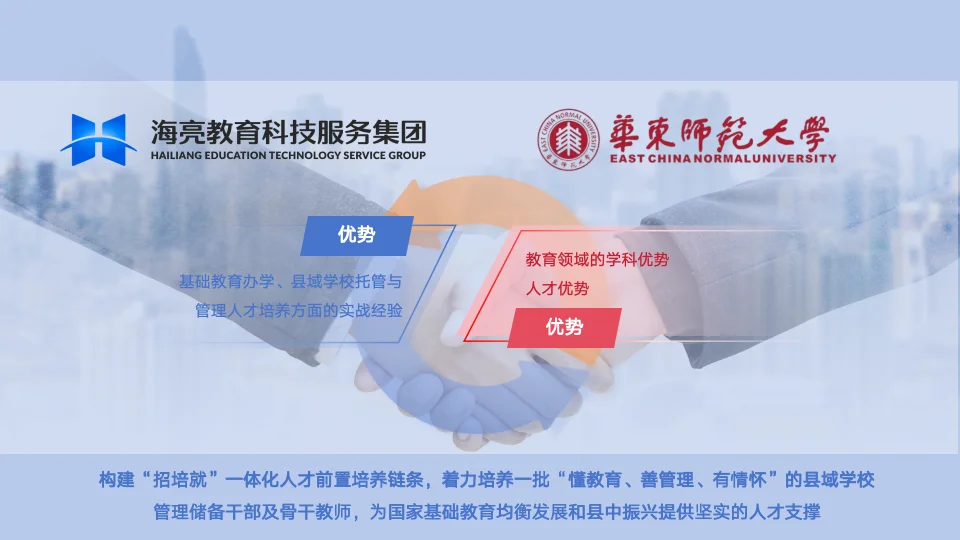
Teachers improve not only through formal training sessions, but also through:
conversations with colleagues;
classroom observations;
discussions about student challenges;
reflection after teaching practice.
These small improvements accumulate over time.
Together, they create a professional community where educators continue developing.
This is particularly important because students today need teachers who can do more than deliver knowledge.
They need teachers who can:
inspire curiosity;
encourage creativity;
understand different learners;
adapt to future challenges.
The Connection Between Teacher Development and Future Education Leadership
Teacher growth also creates the foundation for future leadership.
Many effective school leaders begin their careers as excellent teachers.
They understand classrooms because they have taught.
They understand teacher challenges because they have experienced them.
They understand educational improvement because they have participated in it.
This creates a natural pathway from teacher professional development toward future education leadership training.
When teachers are encouraged to:
lead projects;
share expertise;
mentor colleagues;
participate in school improvement;
they begin developing leadership abilities.
Leadership does not begin with a title.
It begins with responsibility.