


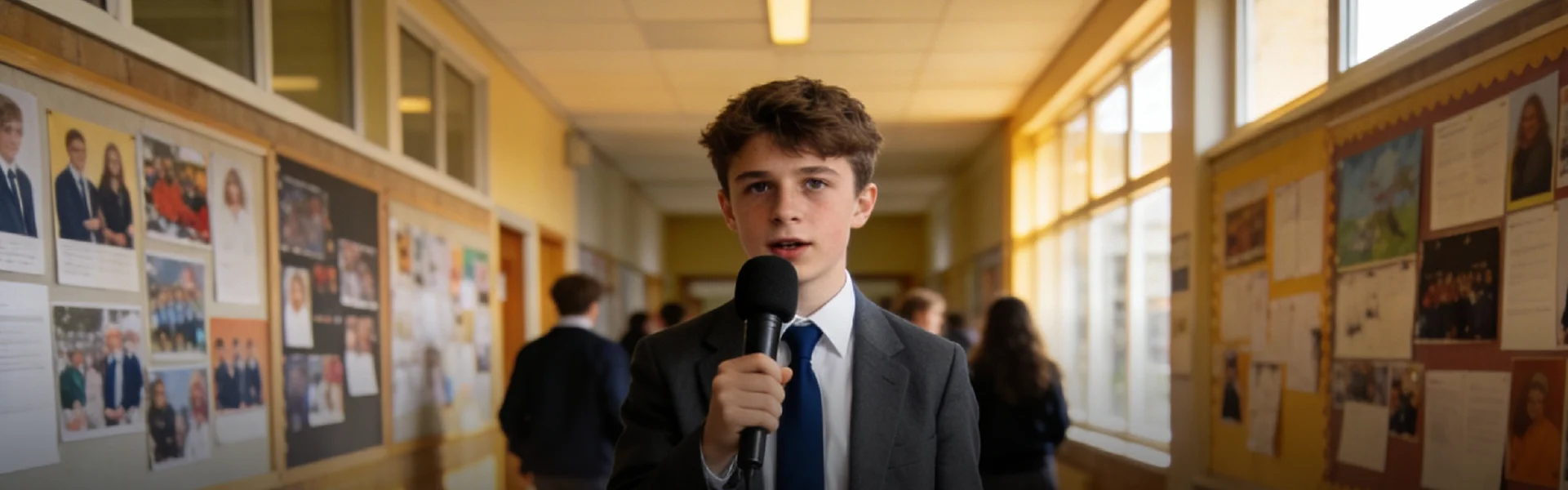
Interdisciplinary Learning through Farming: Hailiang Connects Work, Skills and Science
 2026.11.6
What connects working in a field, examining agricultural machinery and processing corn into food? Hailiang Second Classroom brings these elements into one course for Grades 3–7, organised around agriculture. For families assessing an international school in China, the design provides a case for thinking about interdisciplinary learning: how do different kinds of knowledge and action meet within the same theme?
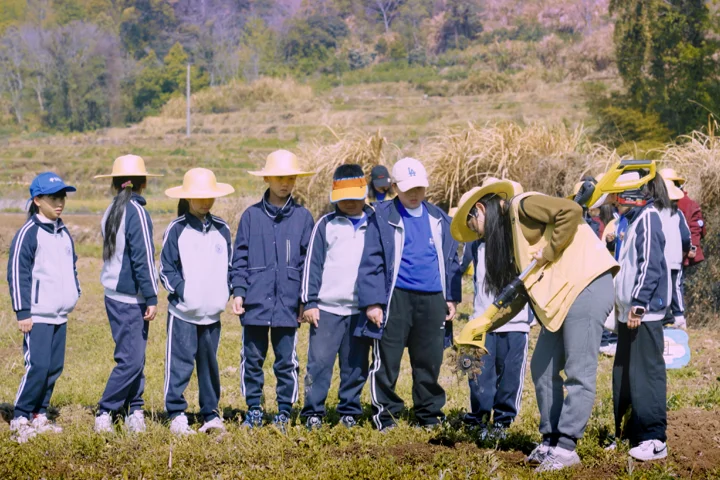
The Shao’er Nongkeyuan+ course combines three strands: labour education, integrated practical activities and science-and-technology learning. It places them within agricultural settings so that a practical task can belong to a wider explanation of work, materials and production.
Interdisciplinary Learning Needs a Common Subject
Agriculture supplies the shared subject in this design. The programme’s grain, fruit-and-vegetable and medicinal-herb series give each set of experiences a theme. The introduction explains that areas within a theme are linked and intended to progress together.
That matters because a collection of different activities can still leave children with separate impressions. A theme gives the activities a common point of reference. The learner can recognise what remains the same as the question or setting changes.
The corn examples illustrate the principle particularly clearly. Corn porridge, corn cake and popcorn belong to different processing experiences, but they return attention to one ingredient. The workshop can therefore connect practical food skills with an agricultural product that also belongs to the course’s grain series.
Labour Education: Understanding Work through Participation
The labour strand gives physical effort a deliberate role. In the farm area, traditional agricultural settings are associated with experiencing hands-on work. The programme describes this as a way to understand the value of labour and develop an appreciation of the work involved.
Within the framework, the task is connected with something being produced. The effort is part of the agricultural subject, alongside the tools and processes that shape production. This gives participation a context beyond completing an isolated challenge.
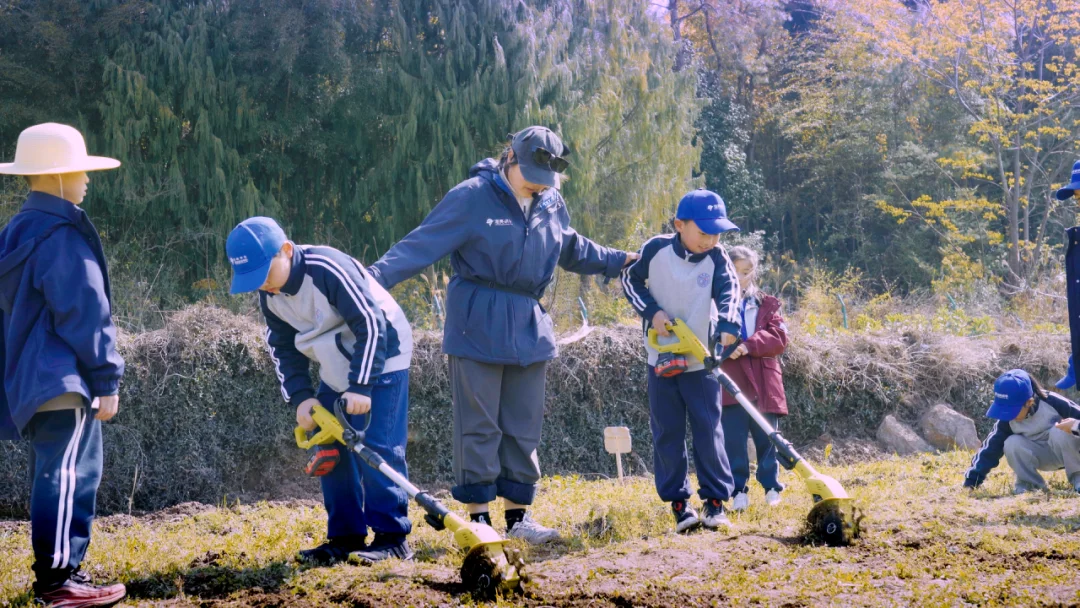
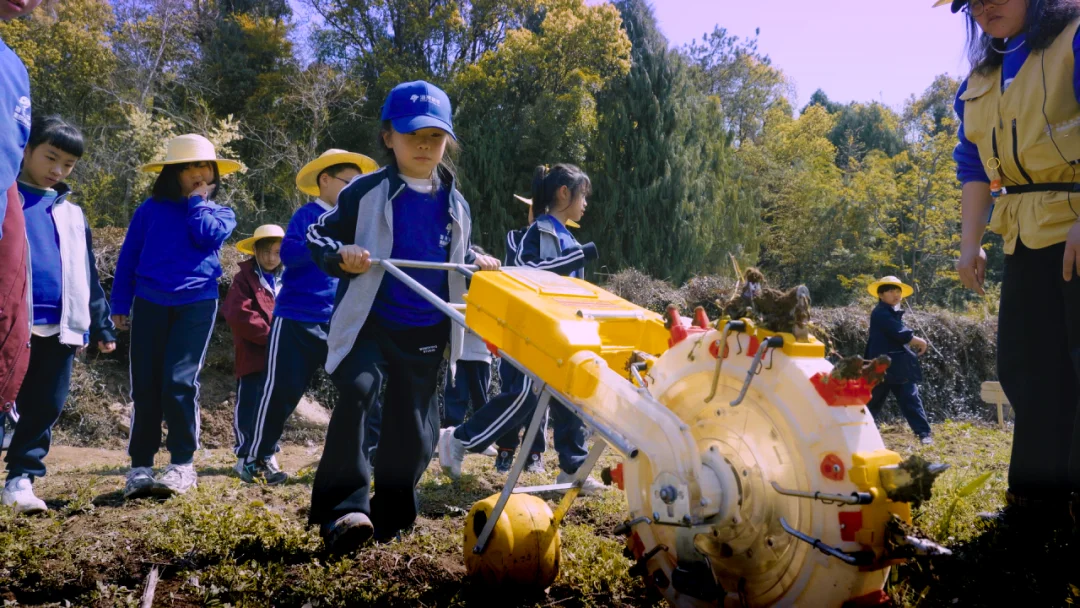
The modern and future settings extend that context. The modern area introduces technological convenience, while the future-facing area invites ideas about agriculture ahead. Placing these beside traditional work opens a comparison between how a task is experienced and how technology may change its demands.
Practical Activities: Connecting Agriculture with Daily Life
The agricultural-products workshop develops a different part of the theme. Its focus on processing one ingredient in several ways gives practical skills a clear subject. The resulting foods are recognisable, which makes the connection with daily life direct.
The introduction also gives attention to the cultural meaning behind agricultural products. Food processing belongs to human ways of using and understanding an ingredient. The practical strand therefore includes both doing a task and recognising what that activity means within everyday life.
For readers comparing educational study tours, this is a useful relationship to examine in a programme outline. A practical experience becomes easier to interpret when the material, skill and reason for using that skill remain connected.
In this course, the workshop supplies that relationship through agricultural products. It can continue a theme encountered elsewhere in the framework instead of functioning as an unrelated cooking activity.
Science and Technology: Asking How Agriculture Works
The science-and-technology strand introduces subjects including breeding, machinery, pesticides and fertilisers. The agricultural research area gives these topics a place within the course’s account of agricultural development.
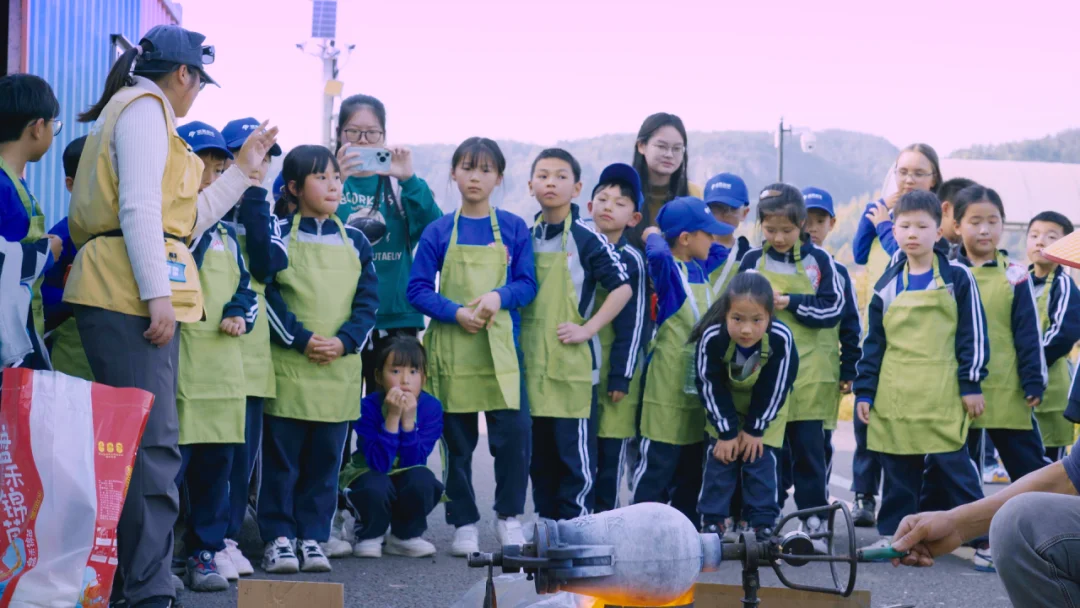
These subjects extend what can be considered about a practical task. The learner can attend to the work being done, then to the technology associated with it. The programme’s combination of labour and science makes those different perspectives part of the same agricultural theme.
The nature-school area broadens the questions further through ecology, weather and observation of the natural world. Water-quality testing and observing the sky are among the examples shown. The design therefore connects agricultural activity with questions about the environment around it.
How the Three Strands Differ—and Connect
The three strands contribute different things. Keeping those roles visible helps explain what interdisciplinary learning means in this particular case.
- Labour education brings attention to effort, participation and the value of work.
- Integrated practical activities bring attention to skills used with materials and products in meaningful settings.
- Science-and-technology learning brings attention to inquiry and the technologies involved in agricultural development.
The connection comes from returning to the same subject. A crop, ingredient or agricultural setting can be approached through the task people carry out, the skills they apply and the explanations that help them understand it. Each strand gives the others a different kind of context.
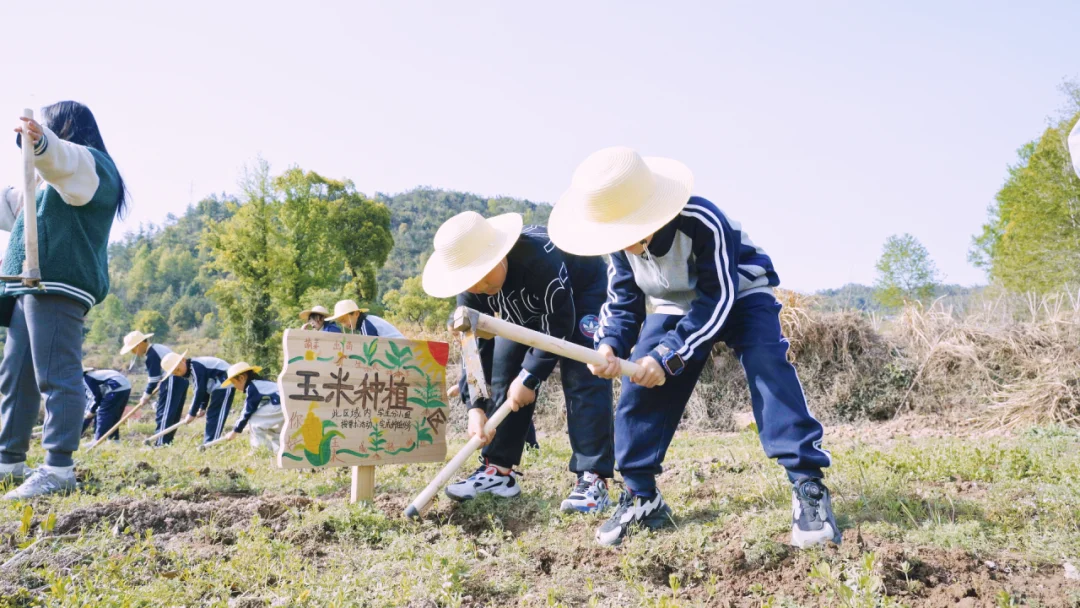
This also clarifies why the four areas and the three learning strands are separate layers. The farm, workshop, research area and nature school provide settings. Labour, practical activity and inquiry describe educational purposes running through those settings.
Knowledge and Experience Have Different Jobs
The programme describes a dual-track design of knowledge-based learning and activity experience for courses within a theme. Indoor inquiry and outdoor practice are included within that approach.
Knowledge gives students concepts through which to interpret a subject. Experience gives them material, tasks and situations to encounter. The intended connection is that what students learn and what they do should remain recognisably related.
For a course designer, this makes the relationship between sessions important. Moving from one setting to another should continue the subject through a new question or activity. In Hailiang Second Classroom’s framework, the common theme is the device used to hold those sessions together.
Reading the Design as a Whole
The programme is intended to help children understand work, develop practical skills and recognise the role of technology. Those aims become more understandable when considered through its structure: agricultural themes, linked settings and complementary ways of learning.
Schools and families can use this case to consider whether a course’s activities actually relate to its learning purposes. The strongest connection in the announced design is the return to one theme through different kinds of participation and explanation.
For questions about Hailiang International School, families can contact the HIS admissions team. The agricultural programme discussed here is a Hailiang Second Classroom course-design case.
FAQ
Which three educational strands does the course combine?
It combines labour education, integrated practical activities and science-and-technology education within agricultural themes.
How does one ingredient support connected learning?
The workshop uses different ways of processing the same ingredient, including corn porridge, corn cake and popcorn. The ingredient links agricultural production with practical food skills and cultural meaning.
Does the framework include both knowledge and activity?
Yes. The course introduction describes knowledge-based learning and activity experience as two tracks, with indoor inquiry and outdoor practice linked through a common theme.