



How AI Teacher Training Is Preparing Future Educators in China Part 2
 2026.9.10
Learning by Experiencing the Classroom First
One of the biggest mistakes in teacher training is teaching technology before teaching pedagogy.
Many professional development programs begin by introducing software features.
Participants learn where to click.
How to generate lesson plans.
How to create quizzes.
How to produce presentations.
Although these technical skills are useful, they rarely answer the most important classroom question:
How does this improve learning?
Effective AI teacher training starts from the learner’s perspective instead.
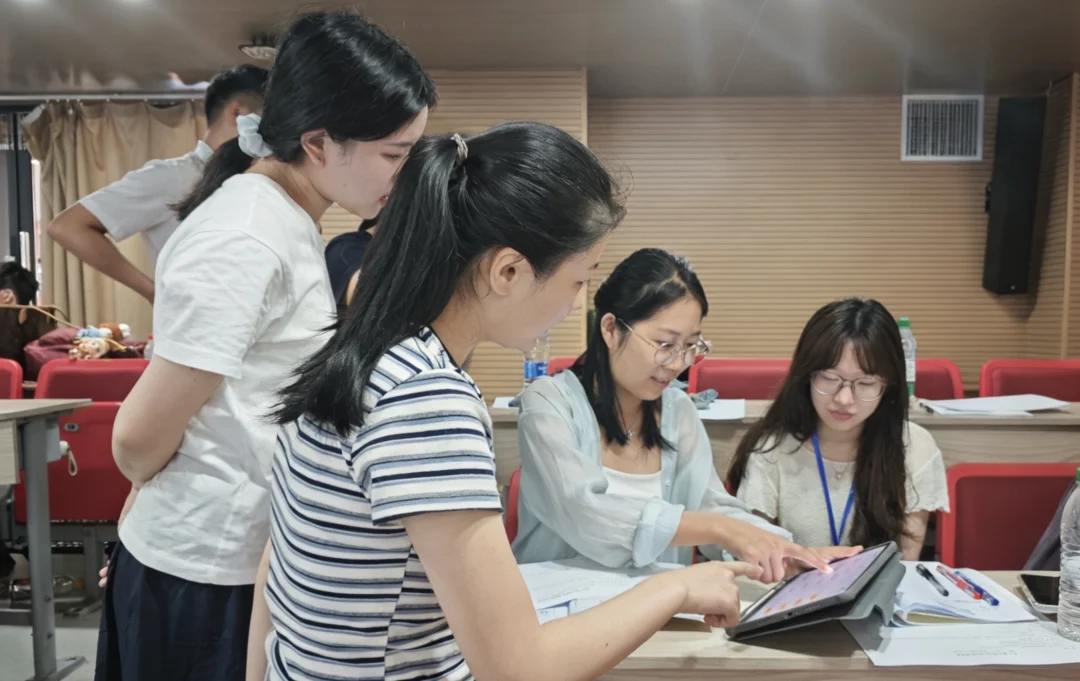
Teachers first experience an AI-supported lesson as students.
They participate in collaborative activities.
They complete pre-class learning tasks.
They review classroom feedback.
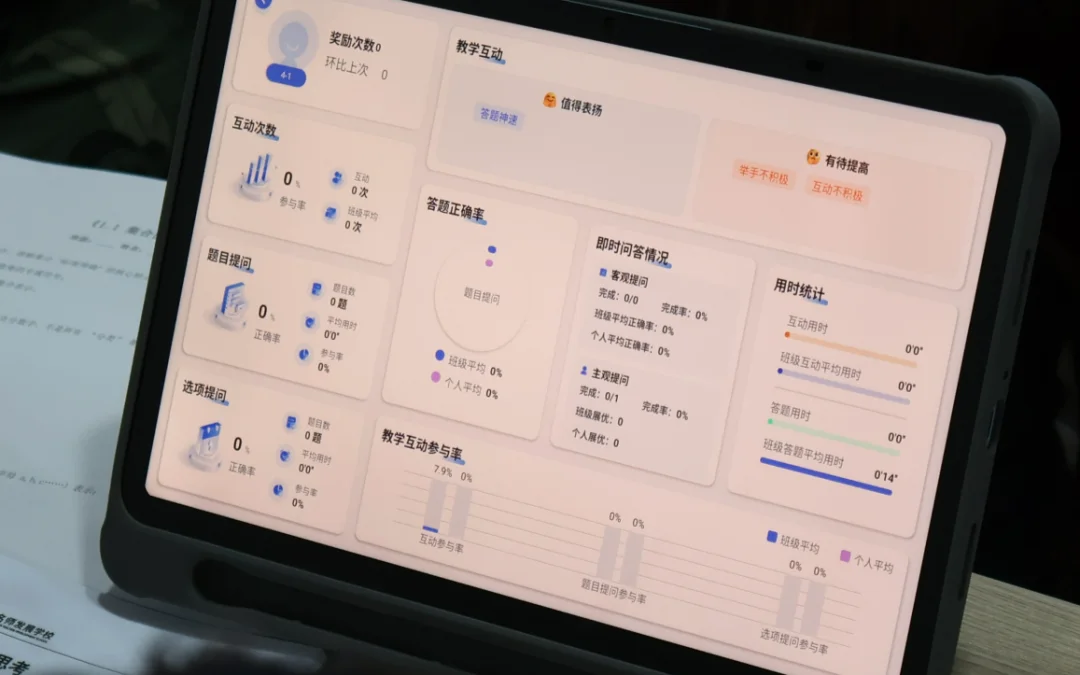
They analyze learning data.
Only after understanding the complete learning experience do they begin designing lessons of their own.
This approach helps teachers see AI not as another digital platform, but as part of an educational process.
The goal is never to use more technology.
The goal is to create better learning.
Building Confidence Through Real Classroom Practice
Professional confidence is not developed by watching demonstrations alone.
Teachers need opportunities to experiment.
To make mistakes.
To reflect.
To improve.
This is why high-quality teacher professional development combines theory with classroom practice.
At Hailiang Education, leadership programs and teacher development initiatives encourage educators to observe demonstration lessons, analyze classroom design, discuss implementation challenges, and redesign their own teaching based on authentic learning scenarios. The focus is not on technology itself but on how AI supports lesson objectives, classroom interaction, assessment, and student participation.
Instead of asking whether AI can replace teaching, participants are encouraged to ask:
Which parts of learning require human guidance?
Which classroom activities benefit from AI support?
How can technology increase student participation?
How can teachers use learning evidence to improve future lessons?
These discussions move teacher training beyond software skills toward professional judgement.
AI Teaching Tools Are Most Effective When They Become Invisible
Many schools invest heavily in new digital platforms.
However, students rarely remember the software they used.
They remember meaningful learning experiences.
The best AI teaching tools therefore become almost invisible.
Students focus on solving problems.
Teachers focus on guiding discussion.
Technology quietly supports both.
This principle also changes how schools evaluate innovation.
Instead of asking:
“How much AI did we use today?”
Schools ask:
“Did students think more deeply?”
“Did classroom participation improve?”
“Did teachers gain better insight into learning?”
“Were learning outcomes stronger?”
When these questions become the focus, technology serves education rather than becoming the purpose of education itself.
Preparing Teachers for AI-Powered Education
The rapid development of generative AI means today’s teachers will continue encountering new technologies throughout their careers.
No single training program can prepare teachers for every future platform.
Instead, successful AI-powered education develops adaptable educators.
Teachers learn how to:
evaluate emerging technologies critically;
protect student privacy;
recognize the limitations of AI-generated information;
encourage responsible technology use;
maintain human judgement in every important educational decision.
These abilities remain valuable even as technology continues to change.
Professional growth therefore becomes less about mastering one tool and more about developing a mindset of continuous learning.
What This Means for International Families
For parents considering opportunities to study in China, conversations about school quality often begin with curriculum, facilities, or university pathways.
Increasingly, another question deserves equal attention:
How are teachers supported?
Excellent teachers do not simply appear.
They are developed.
Schools that invest in continuous teacher professional development create stronger learning environments because teachers continue improving alongside educational innovation.
At Hailiang International School, students benefit from an educational ecosystem that combines international pathways, experienced teachers, student wellbeing, and access to the wider educational resources of Hailiang Education. Families can learn more about the school’s philosophy through the About Hailiang International School and explore everyday learning experiences through Campus Life.
For parents, this means evaluating not only what students learn, but also how teachers continue learning throughout their professional careers.
The Future Classroom Still Needs Great Teachers
Artificial intelligence will continue changing education.
New tools will appear.
Existing platforms will become more capable.
Classrooms will become increasingly connected through learning data.
Yet one principle remains remarkably stable.
Students remember teachers who inspired curiosity.
Who believed in their potential.
Who encouraged them when learning became difficult.
Who challenged them to think independently.
Technology can support these moments.
It cannot replace them.
The future of education therefore depends not only on smarter AI, but also on better-prepared teachers who understand how to combine innovation with humanity.
That is the real purpose of AI teacher training.
It is not about teaching educators how to work with machines.
It is about helping teachers create richer, more engaging, and more meaningful learning experiences for every student.
Frequently Asked Questions
What is AI teacher training?
AI teacher training prepares educators to integrate artificial intelligence into teaching responsibly. It focuses on lesson design, classroom interaction, assessment, ethical AI use, and improving student learning rather than simply operating technology.
Why is AI literacy important for teachers?
AI literacy for teachers enables educators to evaluate AI-generated content, protect student privacy, identify misinformation, understand AI’s limitations, and make informed professional decisions about classroom use.
Can AI replace teachers?
No. AI supports teachers by improving efficiency, organizing learning data, and assisting with routine tasks. Human teachers remain essential for mentoring students, encouraging critical thinking, building relationships, and guiding personal development.
What are the benefits of teacher professional development?
Continuous teacher professional development helps educators adapt to educational change, improve classroom practice, share effective teaching strategies, and provide better learning experiences for students.
How do schools prepare teachers for AI-powered education?
Schools prepare teachers by combining classroom observation, collaborative lesson design, practical teaching experiences, reflective discussion, and ongoing professional learning. Successful programs emphasize educational goals before technology.
Final Thoughts
Technology will continue to evolve.
Teaching will continue to evolve with it.
The schools that succeed will not necessarily be those with the newest AI platforms.
They will be the schools that invest in their teachers, encourage thoughtful innovation, and create learning environments where technology strengthens—not replaces—the human relationships at the heart of education.
For families planning to study in China, choosing a school means looking beyond facilities and digital tools. It means understanding whether teachers are continuously learning, whether innovation is guided by educational purpose, and whether students are supported by educators who are prepared for the future.
When schools develop both technology and teachers together, AI powered education becomes more than a vision.
It becomes a sustainable model for helping every learner grow.