



How AI Teacher Training Is Preparing Future Educators in China Part 1
 2026.9.9
For today’s young teachers, using artificial intelligence is no longer unusual.
Many began using AI long before entering the teaching profession. During university, AI helped them search academic literature, summarize research papers, organize lesson ideas, improve presentations, and even write computer programs. Digital tools became a natural part of how they learned and worked.
Yet standing in front of a classroom for the first time revealed an unexpected reality.
Knowing how to use AI did not automatically mean knowing how to teach with AI.

This distinction has become one of the biggest challenges facing schools around the world. As artificial intelligence becomes part of everyday education, the question is no longer whether teachers should use AI, but how they can use it responsibly to improve student learning.
That is why AI teacher training has become an essential part of preparing the next generation of educators.
The Difference Between Using AI and Teaching With AI
Many people assume that younger teachers have an advantage because they are digital natives.
In many ways, this is true.
They are comfortable experimenting with new software, learning digital platforms, and adapting quickly to technological change.
However, classroom teaching requires a very different set of skills.
A teacher does not simply deliver information.
Teachers design learning experiences.
They observe student thinking.
They adjust lessons in real time.
They encourage discussion.
They build confidence.
Artificial intelligence can support many parts of this process, but it cannot replace professional judgement.
This explains why effective AI teacher training focuses less on operating software and more on educational decision-making.
The important question is not:
“Can I use this AI tool?”
Instead, teachers learn to ask:
“Will this improve learning for my students?”
Developing AI Literacy Instead of Tool Dependency
Educational researchers increasingly distinguish between digital skills and AI literacy for teachers.
Digital skills focus on operating technology.
AI literacy goes much further.
Teachers need to understand:
when AI is appropriate;
when human judgement is more important;
how to evaluate AI-generated content;
how to identify inaccurate information;
how to protect student privacy;
how to encourage independent thinking rather than over-reliance on technology.
These abilities become especially important because AI systems continue to evolve rapidly.
Learning one platform is no longer enough.
Teachers need transferable thinking skills that allow them to evaluate future technologies as they emerge.
This makes AI literacy for teachers one of the most valuable long-term professional competencies in modern education.
From Experience-Based Teaching to Evidence-Based Teaching
Traditionally, experienced teachers developed a strong understanding of classroom learning through observation.
They could often predict which topics students would find difficult and adjust lessons based on years of teaching experience.
AI introduces another valuable source of information.
Learning data.
Preparation activities, classroom participation, formative assessments, and post-class practice all generate evidence that helps teachers understand student learning more accurately.
Rather than replacing professional experience, data strengthen it.
Teachers combine their educational judgement with learning evidence to make more informed instructional decisions.
This represents one of the most significant changes in AI-powered education.
Instead of relying only on intuition, teachers can continuously refine their teaching based on real learning patterns.
Professional Development Never Stops
Teaching has always been a profession built on continuous learning.
Educational research changes.
Curriculum standards evolve.
Student needs develop.
Technology introduces new opportunities.
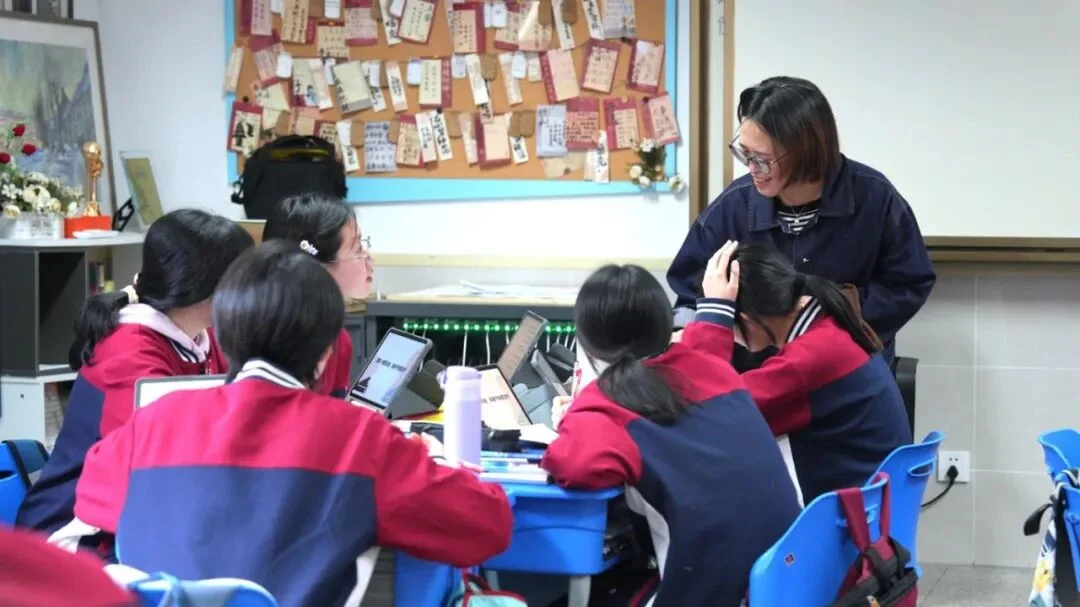
For this reason, teacher professional development should never be viewed as something that ends after certification.
Artificial intelligence simply adds another dimension to lifelong professional learning.
Teachers continue developing skills in:
designing collaborative learning;
interpreting classroom data;
evaluating AI-generated resources;
supporting differentiated instruction;
maintaining ethical use of technology.
Schools that invest in ongoing teacher professional development create environments where innovation becomes sustainable rather than temporary.
AI Teaching Tools Should Support Educational Goals
Modern schools now have access to an increasing number of AI teaching tools.
Some help generate lesson materials.
Others provide classroom analytics.
Some create differentiated assignments.
Others support assessment and feedback.
However, effective teacher training emphasizes that tools should always follow educational goals.
A lesson should never begin with the question:
“Which AI platform should I use?”
Instead, teachers should first ask:
“What do I want students to learn?”
Only after identifying clear learning objectives should technology be introduced to support those goals.
This simple change in thinking prevents technology from becoming a distraction and keeps student learning at the center of classroom design.