Wander Through Xi'an: Where History Breathes
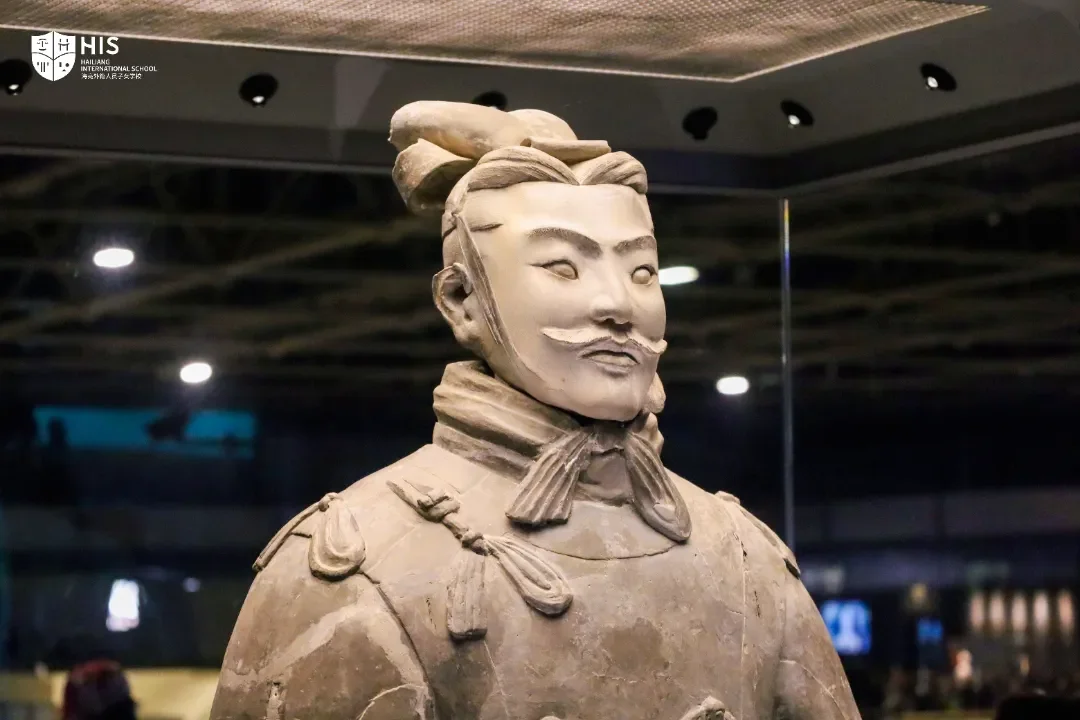
In the latest instalment of our “I’m in China” Course, we journeyed to Xi’an – an ancient capital that witnessed thirteen dynasties and served as the starting point of the Silk Road.
For HIS students, Xi’an became a “walk-in classroom”. Here, history transcended textbook pages to become tangible – something to touch, see and hear first-hand. This very essence embodies the spirit of HIS experiential education.
On the return flight, we curiously asked the children: What is the most precious ‘memory of Xi’an’ in your backpack?
The answers were varied, yet none were ordinary souvenirs. As the students took out their ‘treasures’ one by one, it was as though the entire vibrant city of Chang’an had been packed into their backpacks, alongside their own personal stories of growth.
A Hand-Moulded Qin Warrior
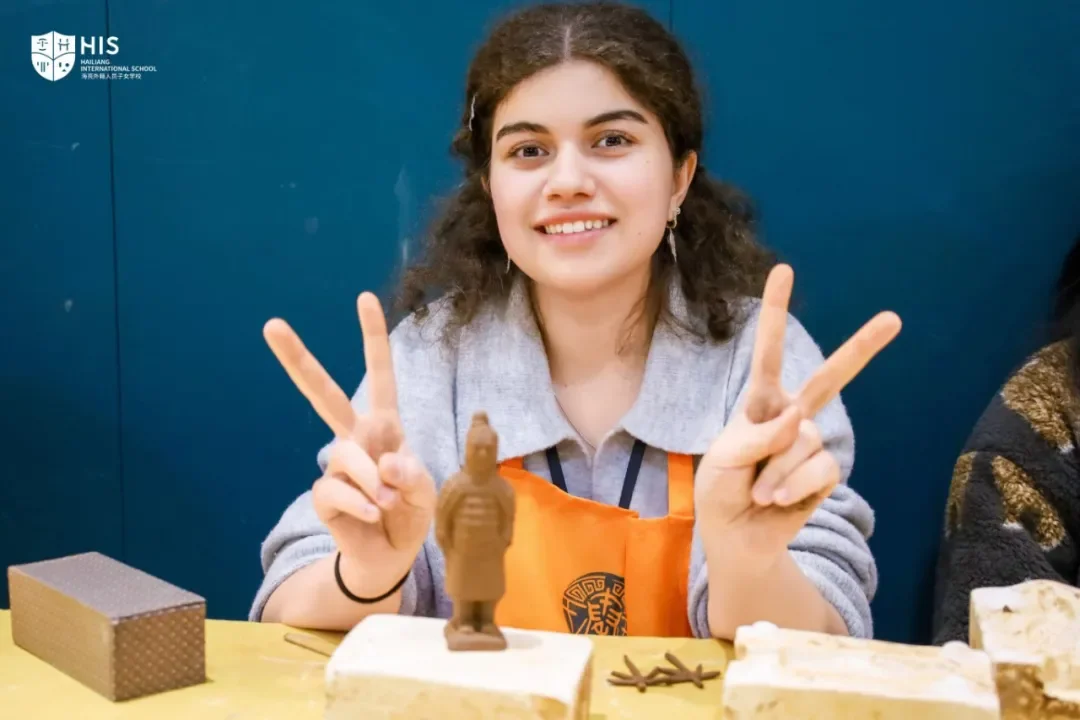
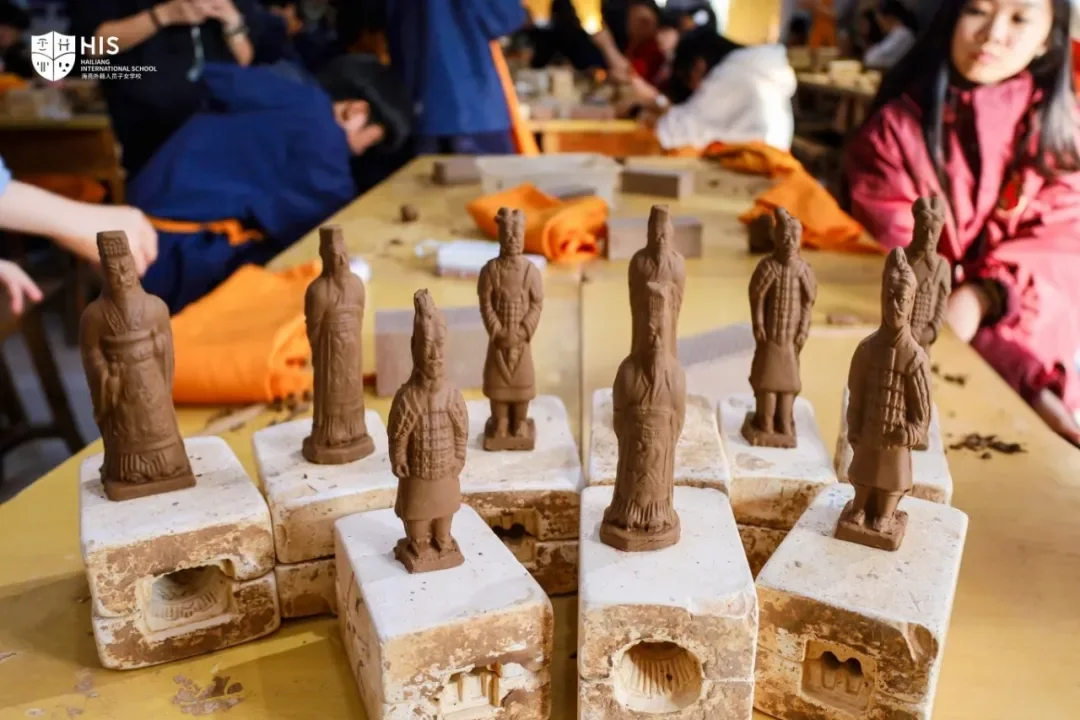
Giullu, from Russia, cradled a palm-sized terracotta figurine from her rucksack, its clay still bearing the imprint of her fingertips; her ‘personal Qin warrior’ meticulously kneaded and shaped during the Terracotta Warriors workshop.
‘In the museum, we could only admire the imposing terracotta army from afar. But when I shaped it with my own hands, I truly felt it wasn’t just a clay figure. It felt alive, like someone who had lived, with a story of its own,’ Giullu shared.
Each press of the clay felt like conversing with artisans from two millennia ago. ‘This Qin soldier is like a comrade-in-arms I’ve brought back from antiquity.’
A Night-Time Photo in Tang Attire
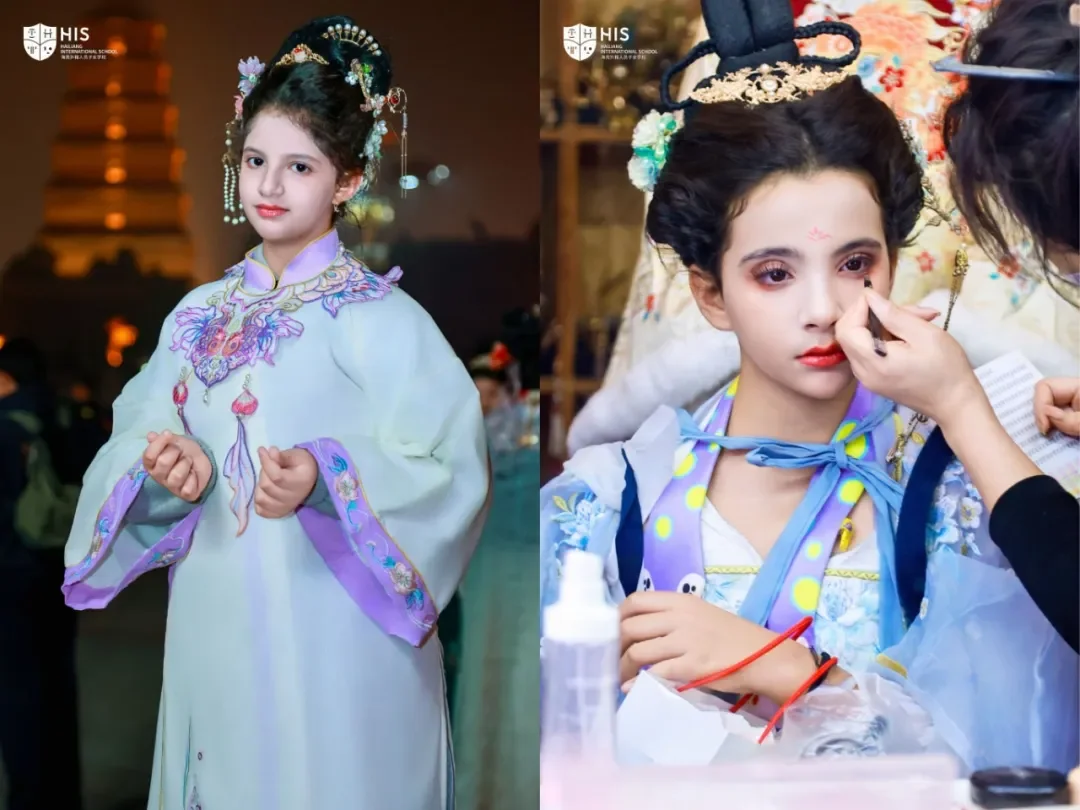
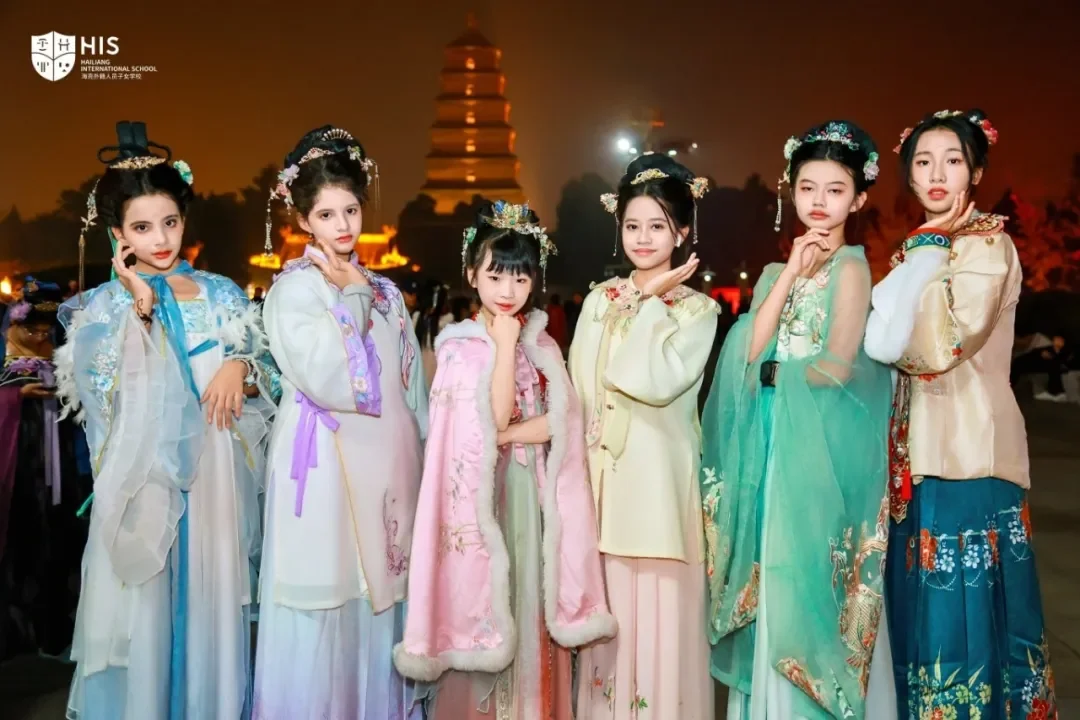
Tucked into the side pocket of the Tunisian twins’ backpacks lies a treasured photograph: they stand beneath the dazzling lights of the Tang Dynasty Night City, clad in pale purple and sky-blue Tang-style garments.
‘That day we visited the Night City, it felt like stepping straight into the authentic Tang Dynasty.’ Lina recalled how she mimicked ancient Chinese gestures with a bowed hand salute, listened to street performers recite Tang poetry to music, and marvelled at how the entire street’s lights illuminated the night sky.
‘Chinese textbooks always say “the Tang Dynasty was a golden age of prosperity,” but it wasn’t until I stood there that I truly grasped what that felt like — the bustle of ancient China mirrored the festive joy we experience during our own national celebrations.’
She glances at this photograph daily. ‘It reminds me that history is never distant; it lives on in today’s lights and laughter.’
A Roujiamo That Tells Tales of Delicious Food
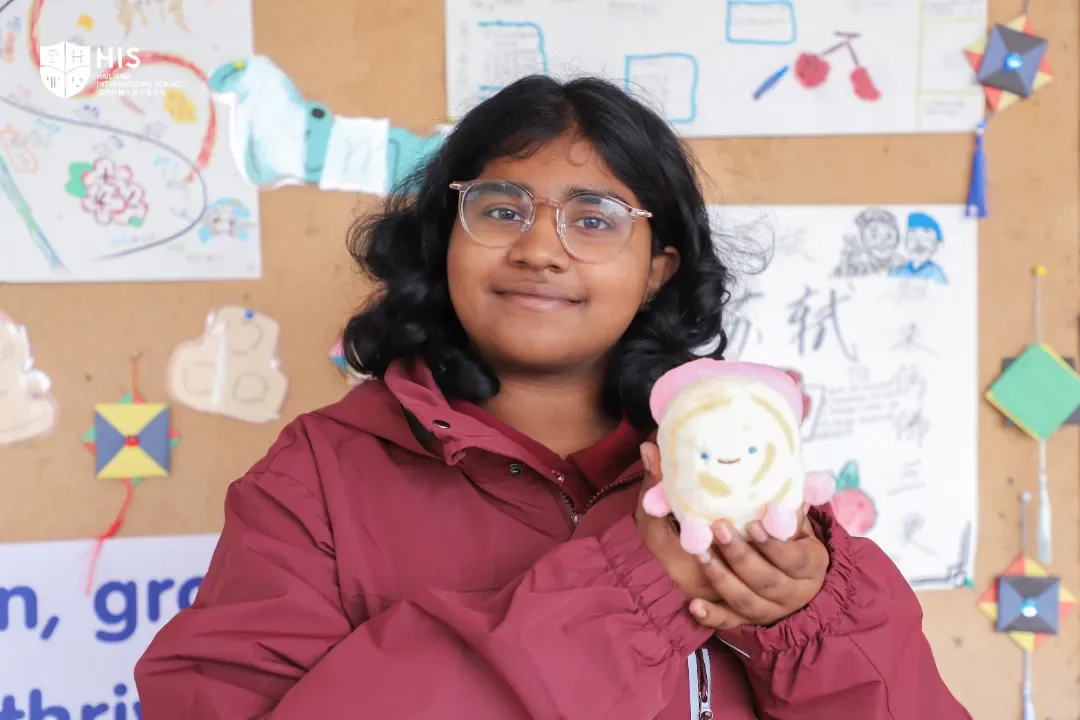
Shivani, from India, brought a plush roujiamo toy. This fluffy roujiamo, bought specially after she ate the dish at Xi’an’s Yongxingfang, always evokes fond memories of Xi’an’s cuisine.
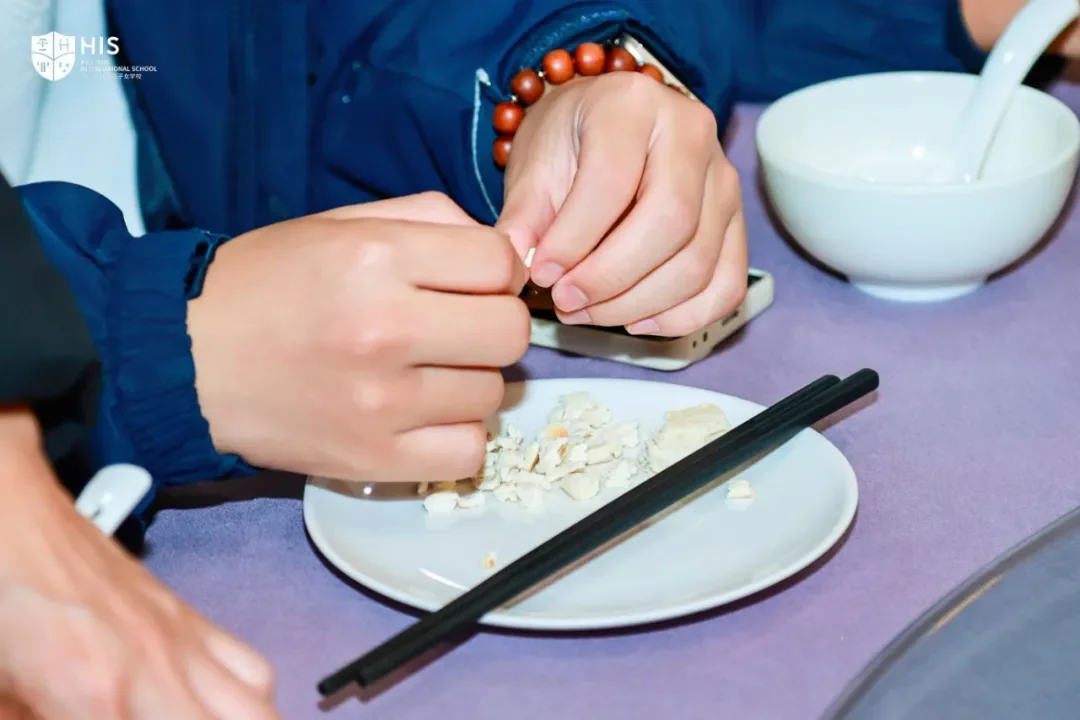
‘I’ll never forget my first taste of yangrou paomo. Before that, I thought that eating was merely savouring flavours. It wasn’t until I personally tore apart the bread in that bowl of Xi’an yangrou paomo that I understood the intricate craftsmanship within that bread,’ Shivani said with a smile.
Back then, she and her classmates competed to see who could tear the bread into smaller, more even pieces, leaving their fingers covered in bread crumbs. ‘The master said breaking the bread requires meticulous care, taking your time to tear it into pea-sized pieces so it can soak up the broth fully.’
When she took her first bite of the bread drenched in meat broth, she understood: ‘Xi’an locals treat their food with such earnestness, just as they treat their history: never skimping on any step.’ Now, this doll always reminds her of Xi’an’s bustling food streets and the warm, everyday life there.
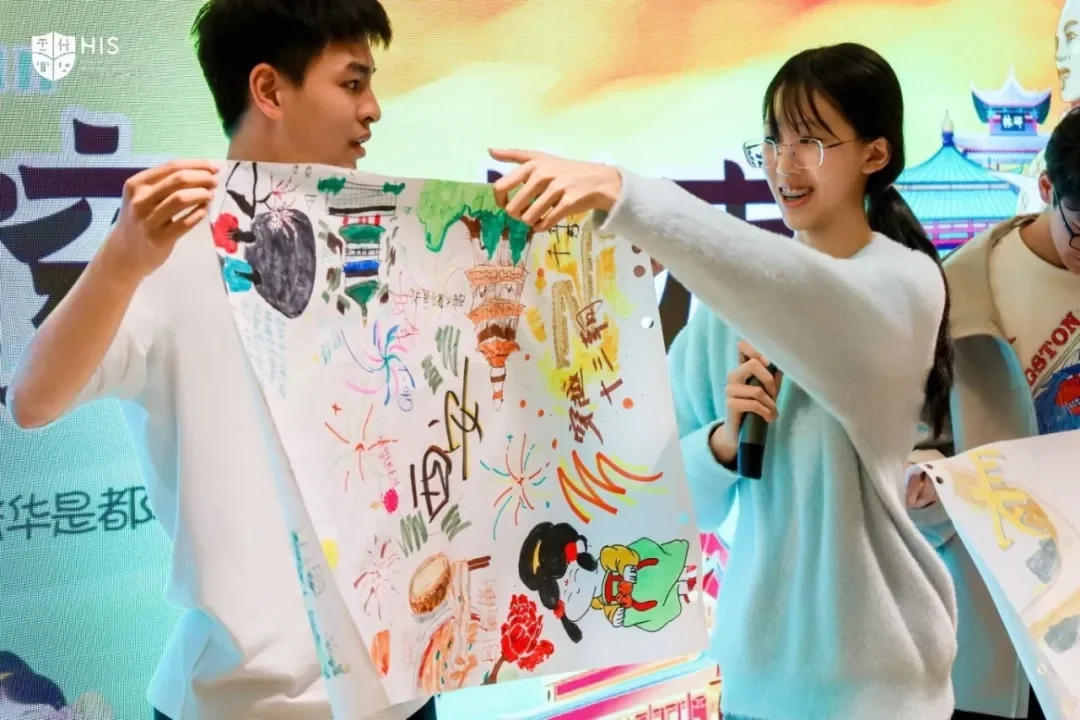
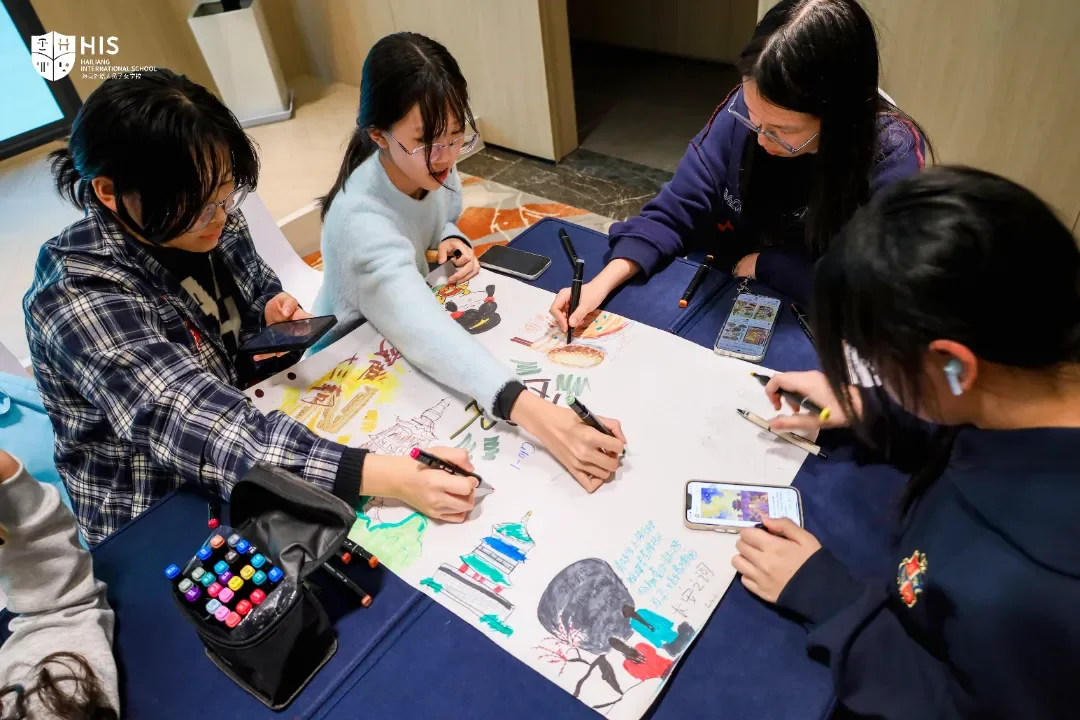
A Hand-Drawn Guide to Travelling Through the Tang Dynasty
Hong Kong student Chen WAI WAH unfolds a scroll bearing her group’s collaborative hand-drawn “Guide to Travelling Through the Tang Dynasty”, filled with illustrations of their Xi’an experiences.
The scroll features the Big Wild Goose Pagoda, dancing Tang court ladies, classical Tang poetry, and the Xi’an delicacies they savoured: biangbiang noodles and roujiamo.
WAI WAH’s fingertips gently trace the scroll, her eyes brimming with affection: “Unlike ordinary maps that merely plot routes, this is Chang’an as we ‘remembered’ it with our eyes and hearts. Whenever I see roujiamo, I recall the laughter as we vied to taste it; the ladies and Tang poetry remind me of the wonder we felt listening to the guide at the Shaanxi History Museum.”
For her, this ‘Guide to Travelling Through the Tang Dynasty’ had long ceased to be merely a painting. It had become a temporal key that could transport her back to the streets of Xi’an at any moment, carefully preserving the weight and vibrancy of the ancient capital within her memories.
A Recording of Huayin Traditional Folk Opera
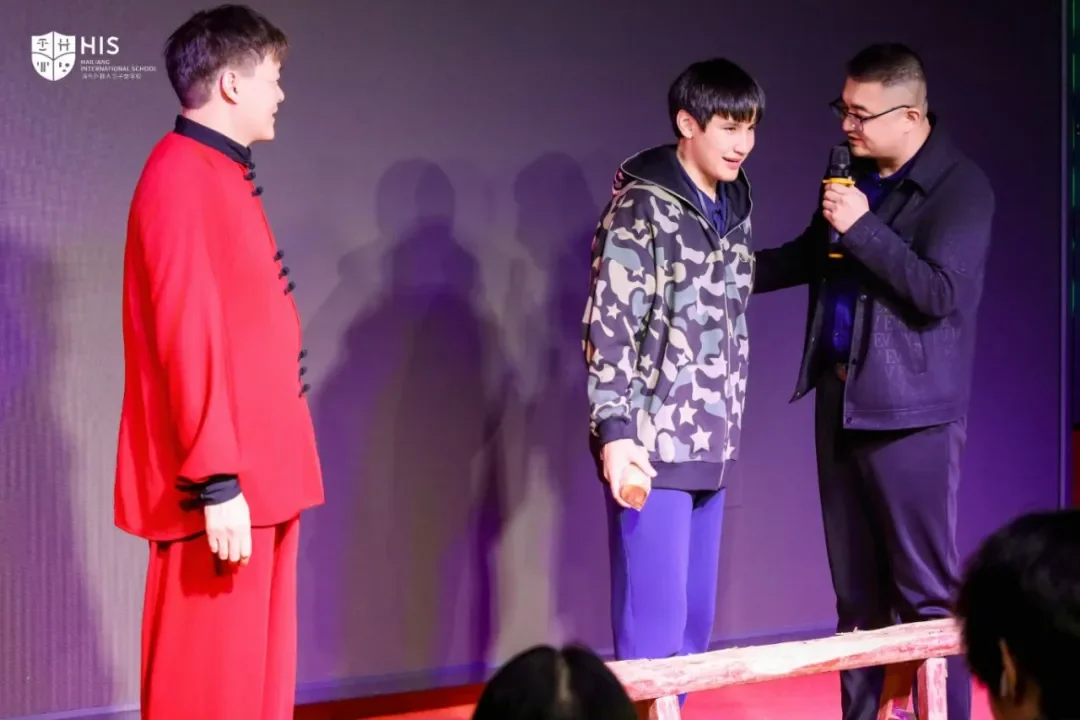
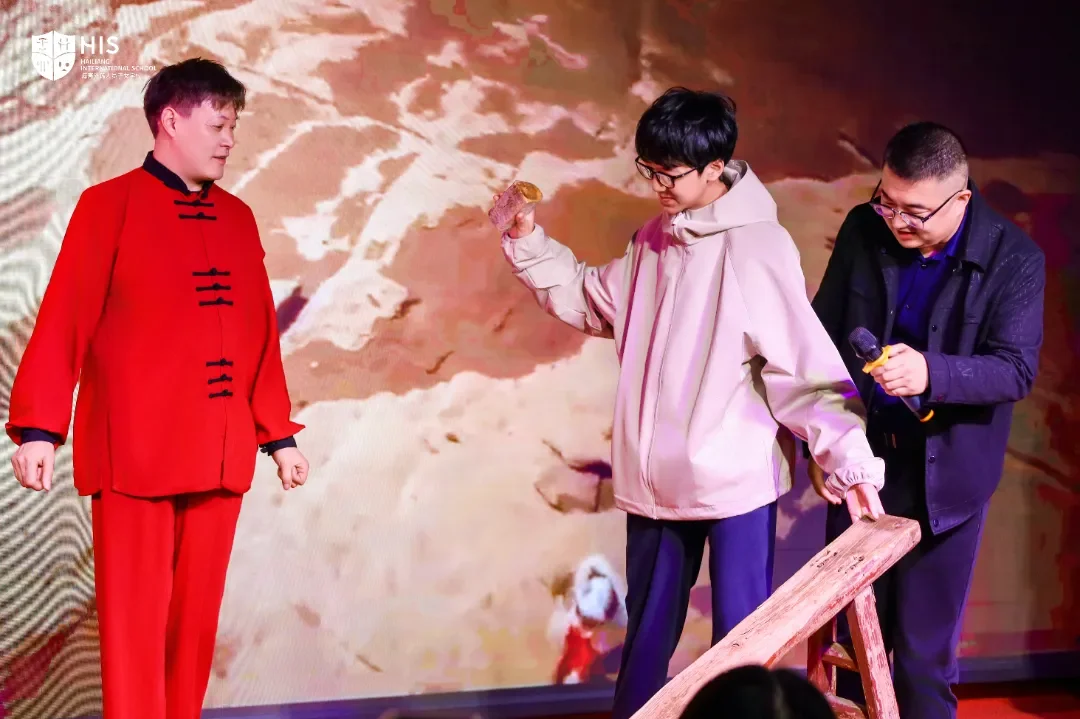
Kevin, from Germany, didn’t produce a physical item, but instead played a video on his phone: it showed elderly performers singing with tremendous power, beating out the rhythm on benches.
‘I was sitting in the front row. The moment they started singing, I was utterly stunned.’ Kevin admitted he’d initially expected boredom, unable to understand the lyrics. Yet witnessing the elders singing with every ounce of strength, transforming everyday stools into instruments, deeply moved him.
‘The teacher said this art springs from the earth itself. Hearing their voices, I finally grasped what that meant — this isn’t mere performance, it’s their lived reality, the very roots of their culture.’
Now, whenever he hears that recording, he recalls that afternoon brimming with power. ‘This sound is more precious than any souvenir. It taught me that culture isn’t just something you see. It’s something you hear and feel.’
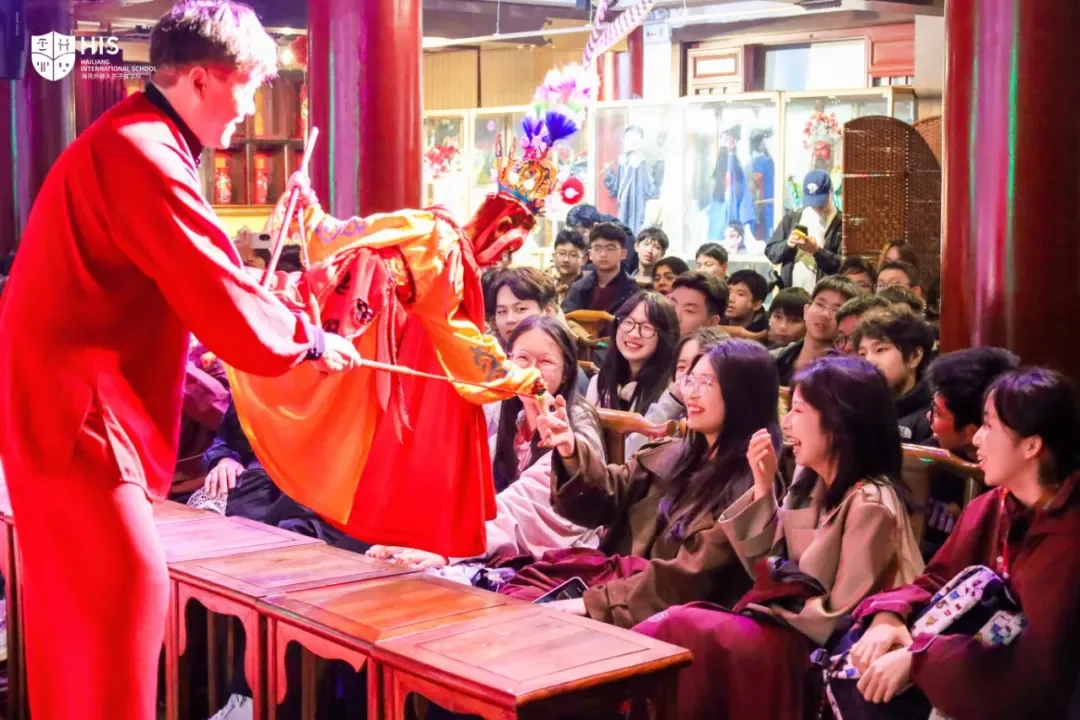
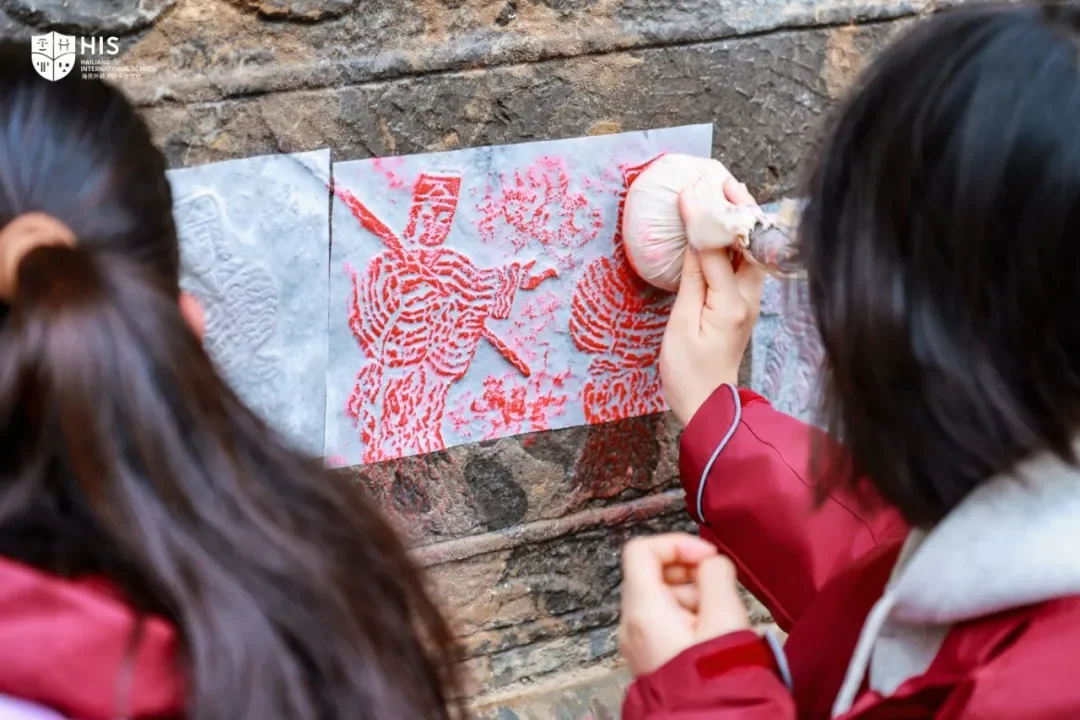
Many vivid scenes remain etched in the children’s minds, each frame steeped in Xi’an’s unique memories.
Appreciate puppetry: Before the puppet theatre stage, when “Sun Wukong” leapt forward swinging his golden staff, the children reached out to grasp the nimble puppet’s palm. Their gasps and cheers mingled, becoming Xi’an’s most vibrant first encounter.
Rubbing Han Dynasty patterns: Upon the ancient city walls, rice paper spread across weathered bricks, Han Dynasty patterns leaping onto the paper alongside the brick’s own textures.
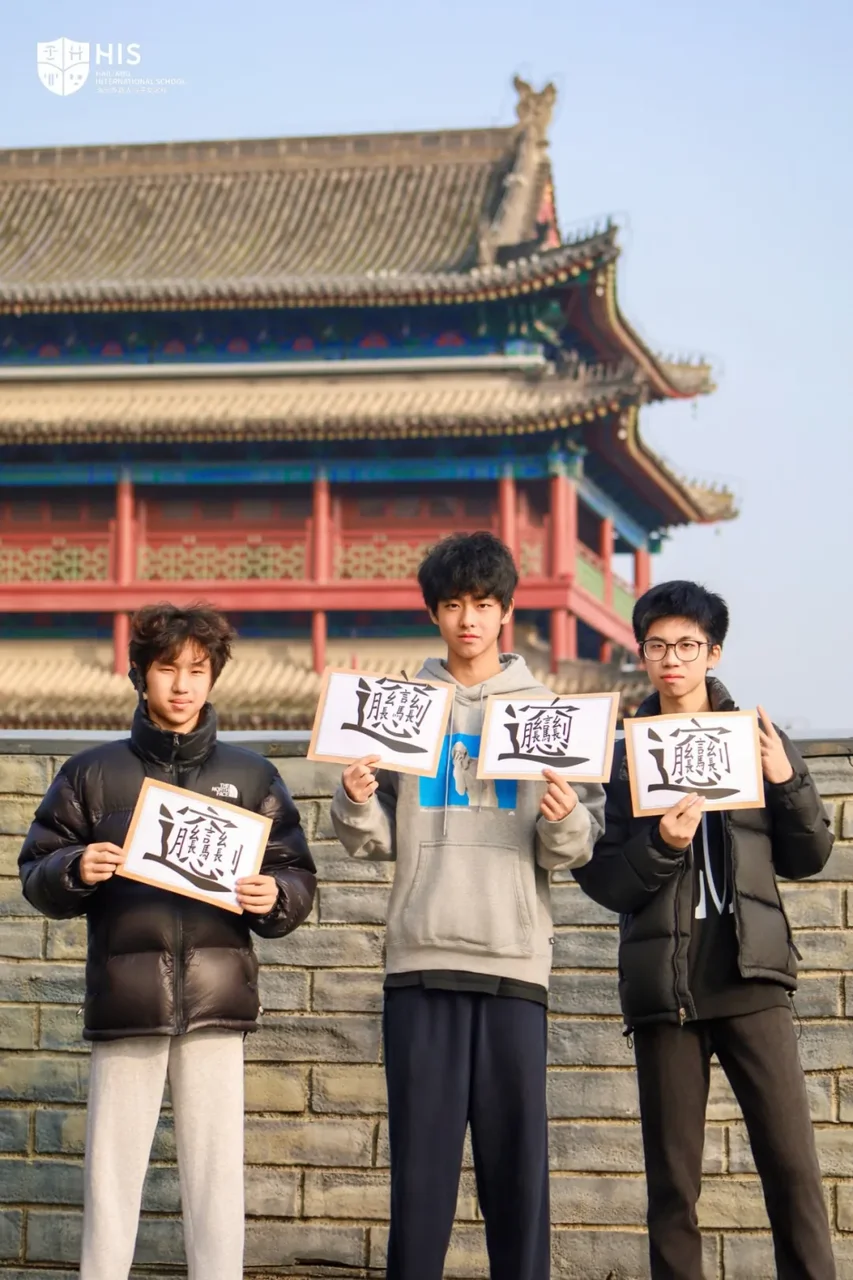
Complete the character “Biang”: Following the chant, ‘A dot soars skyward, the Yellow River curves on both sides’ to complete the character ‘biangbiang’, rhythms of Chinese and foreign languages collided in waves of laughter.
Scene drama interpretation: At the Silk Road performance venue, the jingle of camel bells drew children’s eyes to the caravan’s camels, their gazes brimming with wonder at the millennia-old trade route. Participating in the ‘Tribute from All Nations’ tableau, they experienced first-hand the splendour of the Tang Dynasty’s golden age.
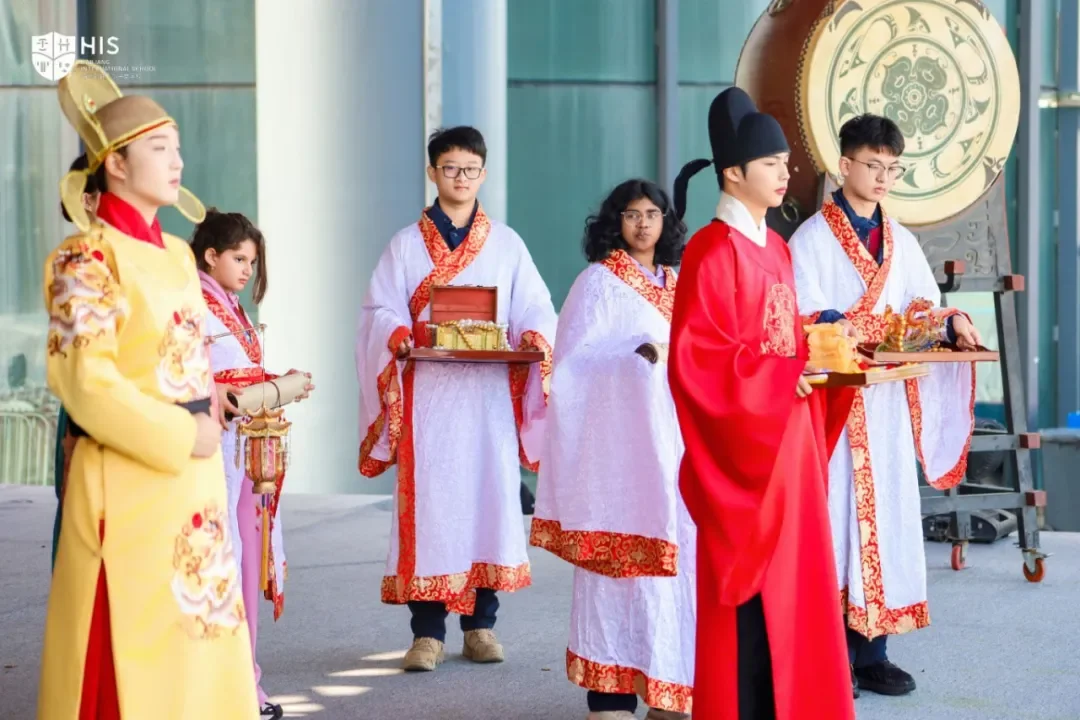
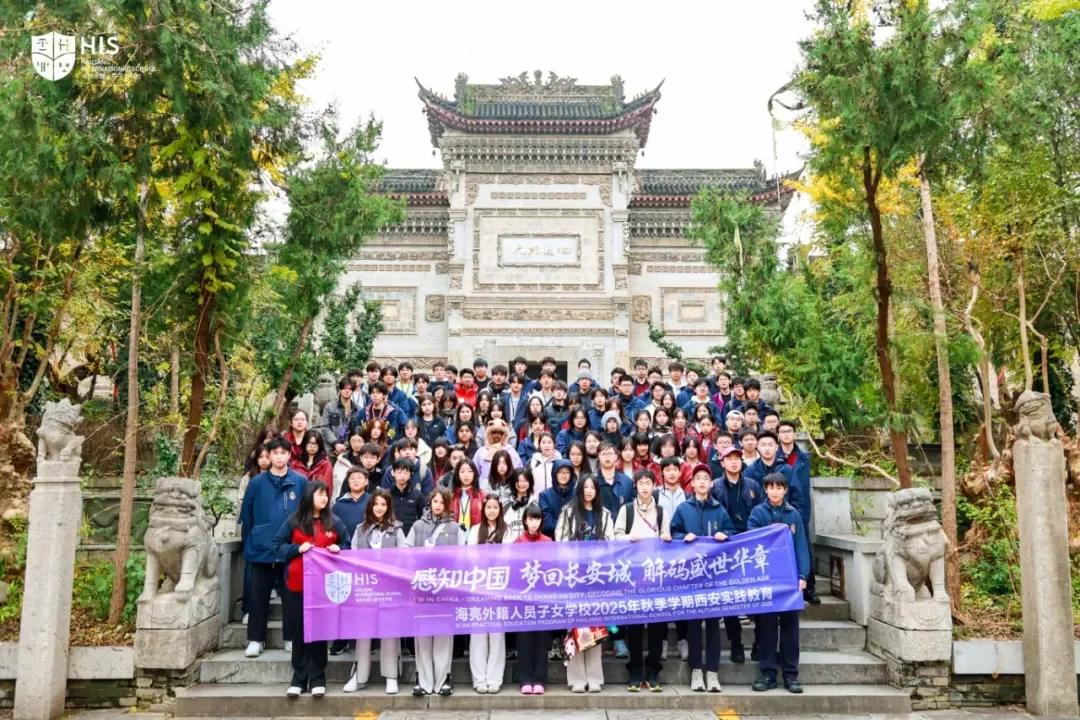
As the children learned in Xi’an dialect, this educational journey proved thoroughly ‘tremendously satisfying’. Xi’an’s culture transformed into tangible, participatory, and cherished memories.
As these ‘Chang’an memories’ are shared one by one, we are ever more certain: travelling 1,500 kilometres to Xi’an was not about having students ‘take away’ something, but about helping them ‘take in’ something – a curiosity about civilisation, a perception of beauty, the courage to engage in hands-on practice, and the confidence for cross-cultural dialogue.
Beyond the walls, we step into the real world.