



A Modular Curriculum for Farm Learning: How Hailiang Connects Half-Day Modules
 2026.11.10
How can a farm experience become a connected course rather than a collection of stops? For schools and centres organising educational study tours, Hailiang Second Classroom’s agricultural-science programme offers a design case: half-day modules are combined around shared themes, with knowledge-based learning and practical experience planned together.
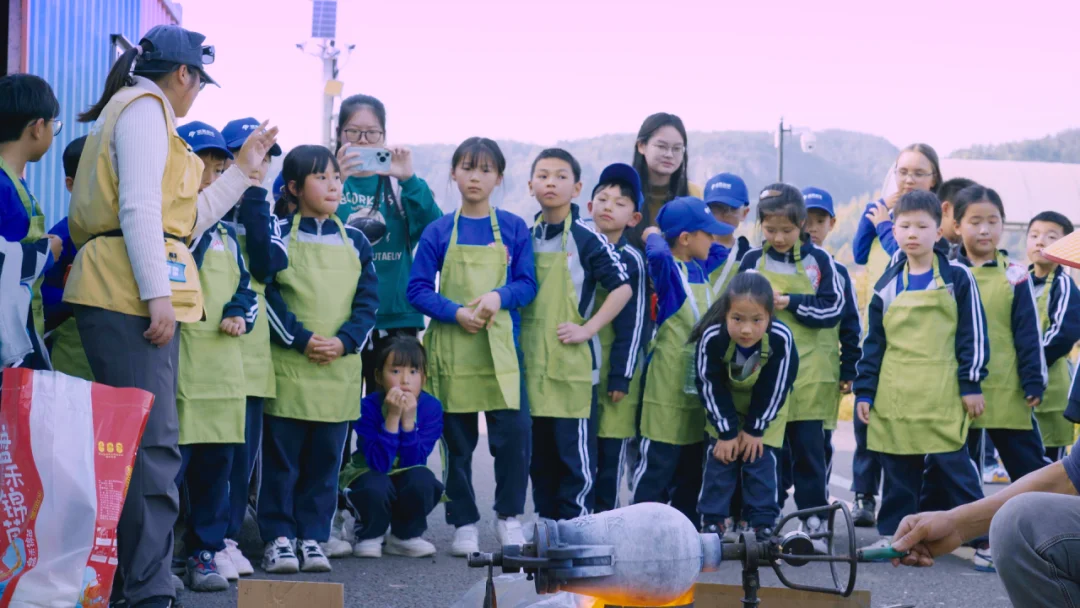
The course, Shao’er Nongkeyuan+, is designed for Grades 3–7. Its modular curriculum draws on four areas—farming, agricultural-products processing, agricultural research and nature study—and three thematic series covering grains, fruit and vegetables, and medicinal herbs.
A Modular Curriculum Begins with a Theme
The theme supplies continuity. A grain, fruit-and-vegetable or medicinal-herb series gives the course a subject that can remain recognisable as students move between areas.
The settings then provide different perspectives on that subject. A farm introduces work and production; a processing workshop follows agricultural products into different uses; the research area introduces technologies; the nature-school area opens questions about the surrounding environment.
The purpose of connecting these areas is to make the movement between them educationally meaningful. The course introduction describes links and progression within a theme. A module therefore needs to make sense as part of that larger theme as well as as an experience in its own right.
What Half-Day Modules Contribute to the Structure
The programme uses half-day modular combinations to build its teaching sequence. This gives the design an organising unit between an individual activity and the course as a whole.
That distinction is useful for schools and learning centres. A named activity describes something participants do. A module gives that experience a place within a body of learning. A sequence then connects modules so that the subject develops across them.
In this framework, the half-day unit is combined with thematic planning. The modular form and the common theme do different jobs: one organises the course’s delivery, while the other keeps its content connected.
The introduction’s emphasis on progression also gives a reason to look beyond the number of activities offered. The relevant question is how each part contributes to what comes before or after it. The framework makes that relationship part of the announced design.
Planning Knowledge and Activity Together
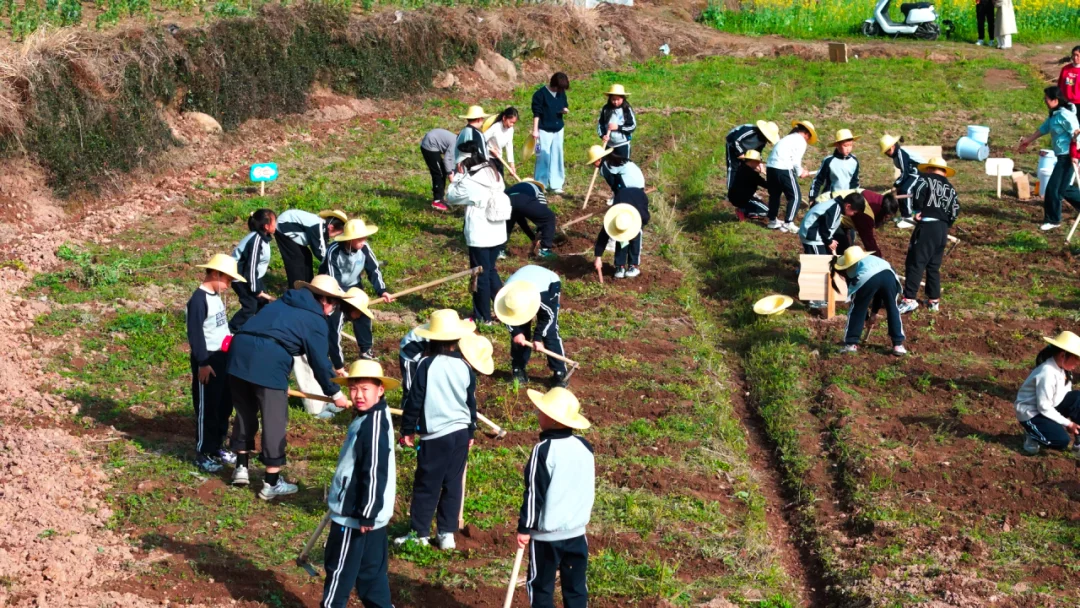
Every course within a theme follows a dual-track design: knowledge-based learning and activity experience. The programme also brings indoor inquiry together with outdoor practice.
These pairs help identify what a module is intended to contain. Knowledge and inquiry provide an approach to understanding the subject. Activity and practice provide encounters with tasks and materials. Their relationship matters because an experience needs concepts through which it can be interpreted.
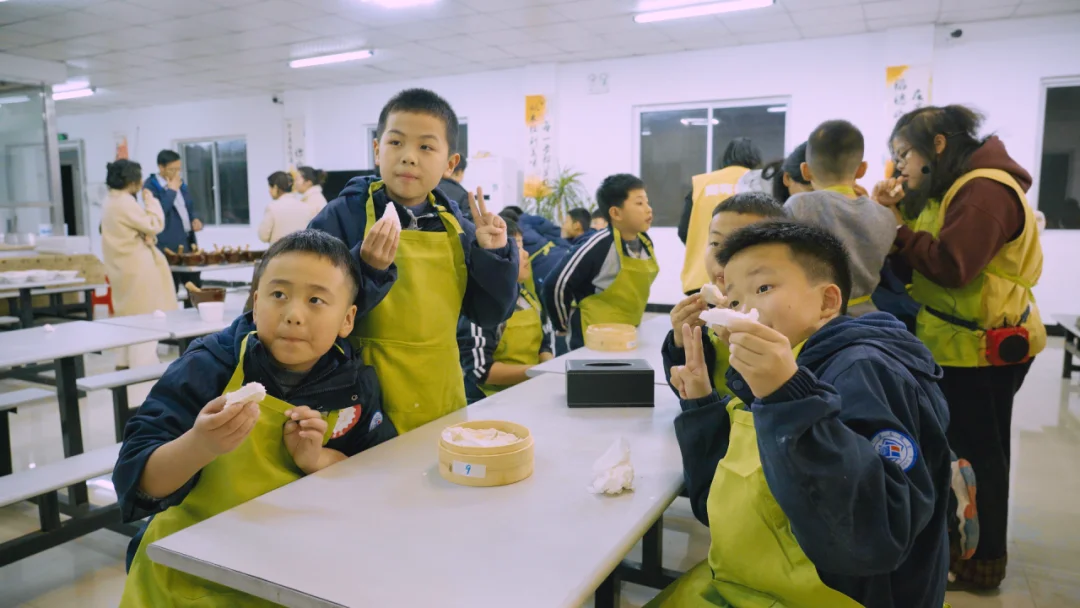
Equally, the practical part gives knowledge a setting. The agricultural-products workshop, for example, places one ingredient within several processing experiences. The learner can connect the subject under discussion with different products and ways of working with the material.
This makes the indoor/outdoor distinction more than a change of location. The course’s stated design links different forms of learning through the theme. It invites course planners to consider what each setting contributes to the same subject.
Using the Four Areas as Complementary Resources
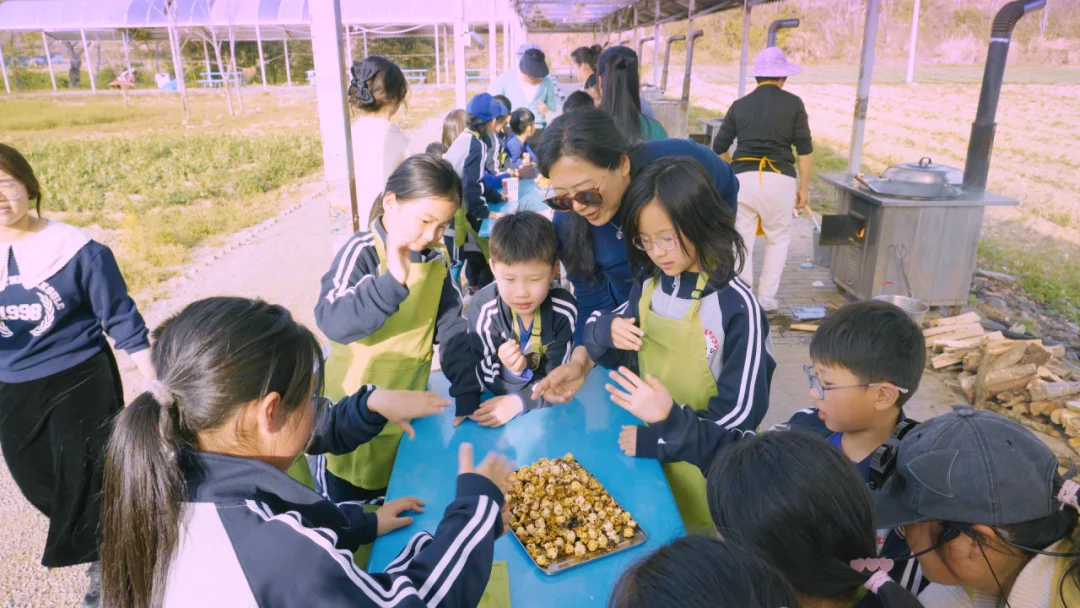
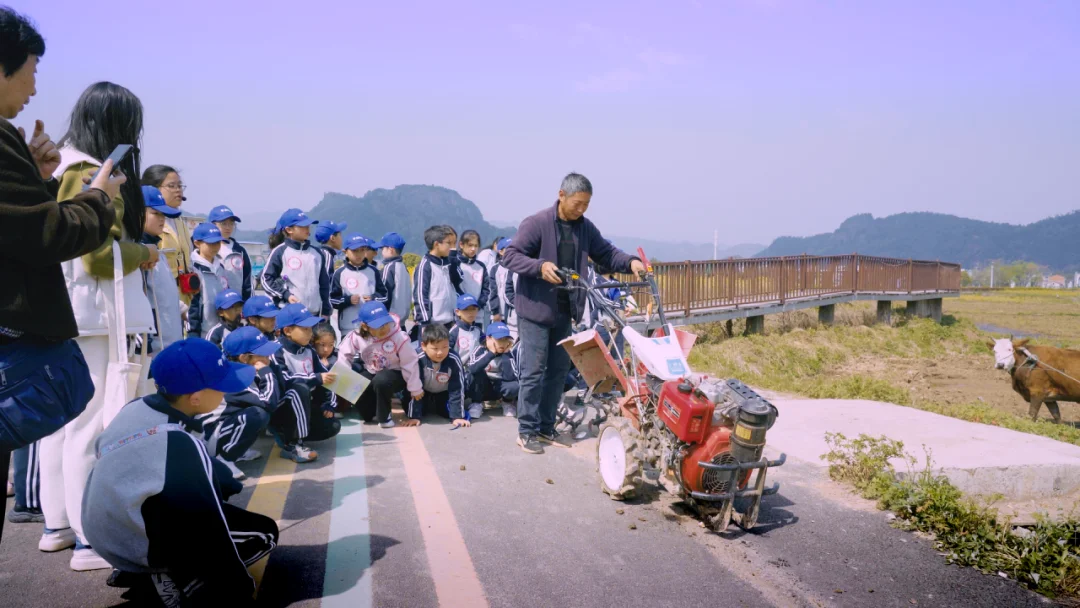
The farm area includes traditional, modern and future perspectives. It gives the design access to physical work, technology and ideas about agricultural development. Those perspectives supply several ways to introduce the subject.
The processing workshop connects agricultural products with practical life skills and cultural meaning. The research area introduces questions about machinery, breeding and other technologies. The nature school includes observation, ecology, astronomy and weather.
For readers interested in the broader place of practical experiences within school activities at HIS, this is a useful design distinction. A setting creates possibilities; thematic and modular planning organise how those possibilities become a sequence of learning.
Why Development Involved Several Types of Expertise
The course introduction credits Professor Hao Jinghua of Nanjing Normal University with guiding its overall architecture and planning. It also describes collaboration between a professional development team, mentors working at the learning base and school teachers.
The combination brings together the overall course structure, professional development work, knowledge of the learning setting and familiarity with school teaching. It makes development a shared task across people working at different levels of the programme.
The introduction also refers to site visits, course experiments, discussion and trial teaching during development. These activities place the announced framework within a process of preparation and refinement, rather than leaving it as a set of area names alone.
For a school reviewing a course outline, it is useful to see both levels: the overall structure and the people involved in developing it. In this case, the provider describes collaboration as part of bringing academic purpose, meaning and enjoyment into the same design.
Questions a School Can Use to Read the Framework
The course offers a practical way to organise questions before examining individual activities. These questions follow its stated structure rather than adding a separate teaching model.
- Which agricultural theme connects the selected experiences?
- What does each area contribute to that theme?
- How do the half-day modules relate to one another?
- Where do knowledge-based learning and activity experience connect?
- What roles do indoor inquiry and outdoor practice play?
The questions distinguish a modular curriculum from a destination list. They direct attention to continuity, progression and the relationship between forms of learning. They can also help a school explain why particular experiences have been included.

Families looking for general information about Hailiang International School can consult its student and family information. The Second Classroom programme examined here provides a separate Hailiang course-design case for considering the organisation of practical learning.
From Programme Outline to an Informed Conversation
The intended Grade 3–7 audience, thematic series, four areas and dual-track design give readers several concrete features to discuss. Each feature answers a different part of how the course is organised.
For information about HIS itself, families can contact HIS. Schools reviewing the agricultural programme can use its announced structure to frame questions about the relationship between modules and learning purposes.
FAQ
How does the course use half-day modules?
The introduction describes half-day modular combinations linked within a theme to create a progressive teaching sequence.
What are the two learning tracks?
They are knowledge-based learning and activity experience, with indoor inquiry and outdoor practice included in the design.
Who contributed to the programme’s development?
The introduction names Professor Hao Jinghua as providing overall guidance, alongside a development team, learning-based mentors and school teachers.