


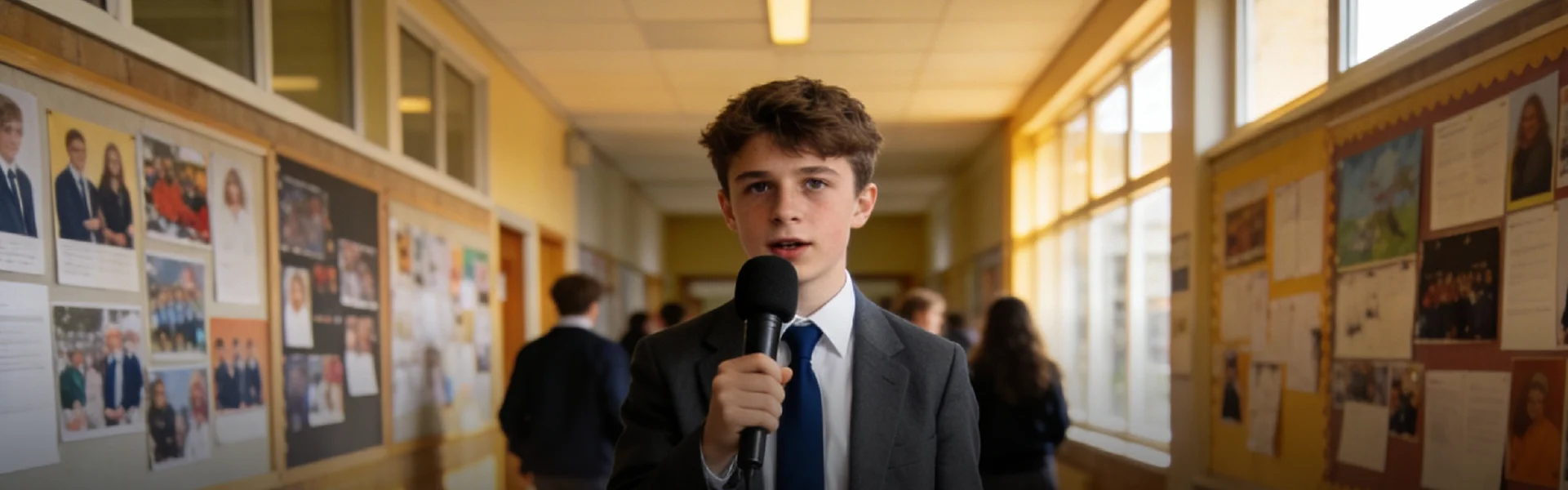
Environmental Education in Action: Hailiang Students Follow a Bag of Rubbish
 2026.10.26
Before visiting two waste facilities in Zhuji, Chatkaew Techin felt that caring about the environment was rather abstract. Afterwards, the Hailiang International School student could name processes he wanted to understand more deeply. That change gives families exploring a study tour program in China a useful starting point for considering environmental education: what can a student explain after the experience that previously felt distant?
“This visit connected my chemistry knowledge to environmental engineering and real industrial systems,” reflected Techin, who is from Thailand.
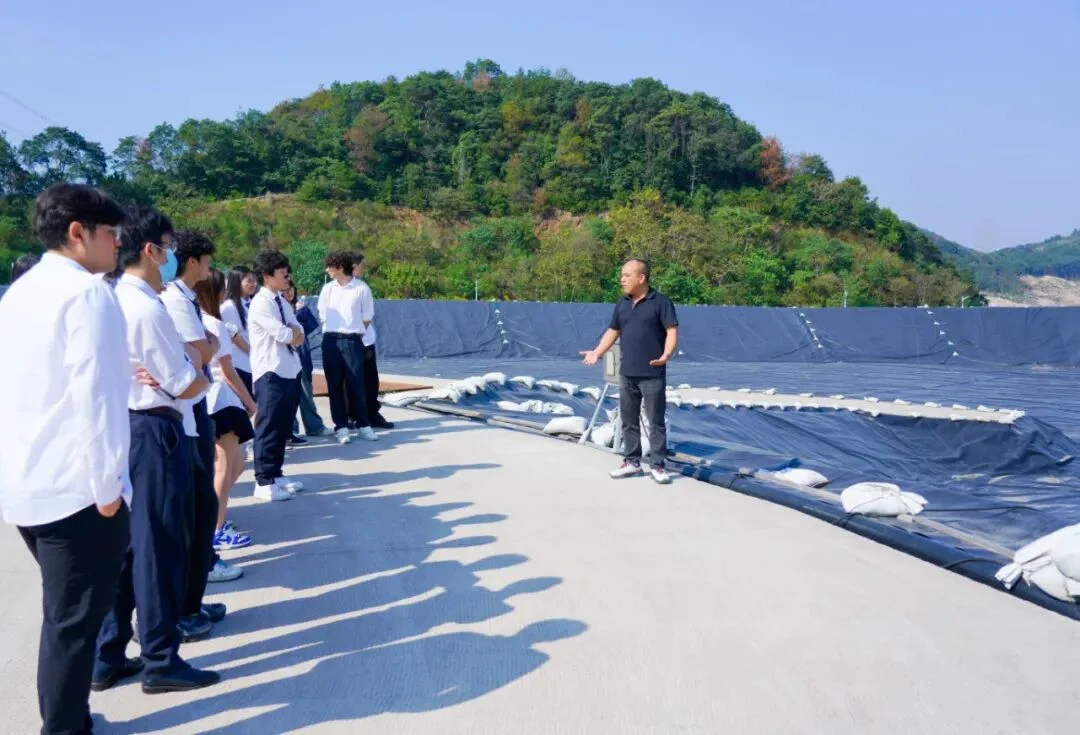
He was among more than twenty international students who visited Baimaojian Waste Sanitary Landfill and Zhejiang Zhuji Bafang Thermal Power Co., Ltd. through the “I’m in China” Course. Guided by site managers and engineers, the group encountered liquid treatment, energy generation and operational monitoring. Techin’s response brings those stops together as a story about learning to recognise the science behind an everyday action: throwing away rubbish.
Environmental Education Made Visible at the Treatment Plant
At Baimaojian, the students watched dark, unpleasant-smelling leachate become clearer through successive treatment stages. Engineers explained the process at the treatment facilities. A term that might otherwise remain on a page was attached to a material, equipment and a visible change.
The scene offered several connected ways to understand the same process. The liquid gave students something to observe. The engineers’ explanation placed that observation within a treatment route. Learning where the resulting streams went connected the treatment equipment with the wider facility.
This is where the chemistry connection in Techin’s reflection becomes concrete. His interest was attached to what happened to a particular material during treatment. He could identify leachate treatment as a subject to explore, rather than leaving with only a general impression that pollution should be reduced.
A Landfill That Tells a Story of Change
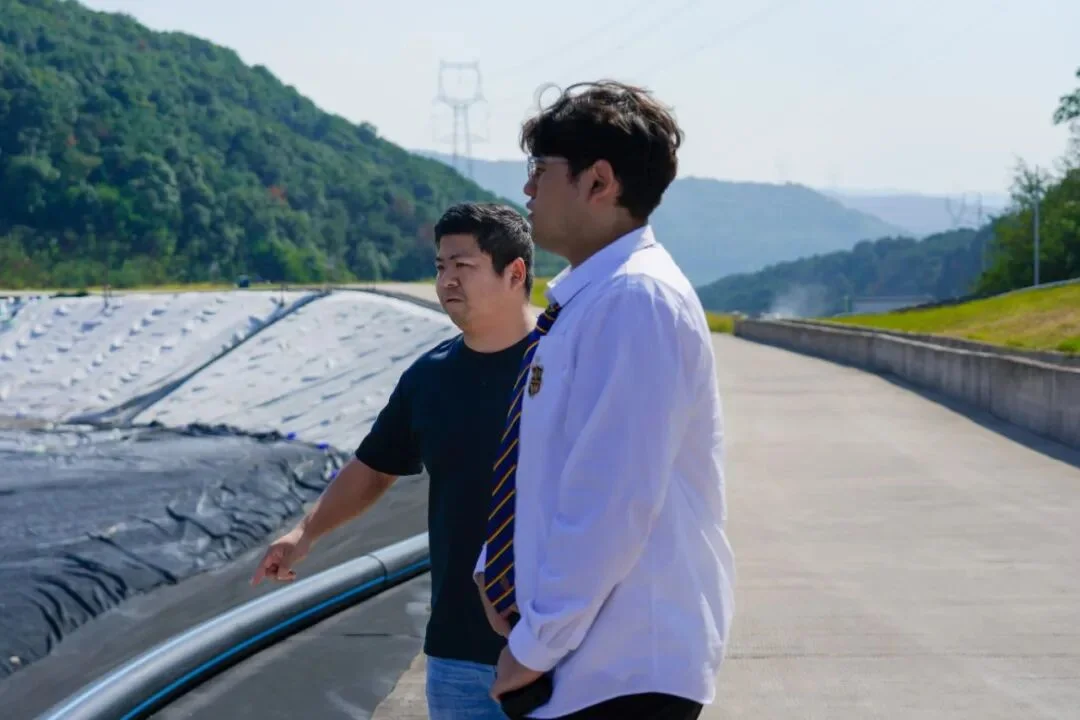
The landfill also introduced a different kind of question: how does a city continue dealing with waste already deposited there? Site managers explained the capping and ecological restoration of an earlier phase and the later improvements to rainwater separation and anti-seepage systems.
They described a site whose role had changed. It no longer received raw household rubbish and had an emergency disposal function for solidified waste. The treatment facilities remained part of the visit, making the continuing work at the site visible alongside its restored areas.
That contrast gave students a way to think about environmental change over time. Restoring a surface, managing water and changing the material a site receives are different parts of a response. The same location could therefore be read through its history, present responsibilities and engineering systems.
For families considering an international school in China, this local setting is part of the context for the learning. The “I’m in China” Course took students to infrastructure serving the place around them, where questions about the environment had identifiable sites and people behind them.
Following a Connection from Chemistry to Engineering
The Bafang visit extended the students’ observations from treatment to energy conversion. They followed the route through waste reception and incineration, then heard how heat produced steam to drive turbine generators. The company also introduced its heat-supply role.
Here, chemistry and engineering appeared within the same sequence. Combustion released heat; the boiler and generating equipment used that heat through further stages. Students could connect the explanation of a change in material with the equipment that made its energy useful.
The surrounding treatment routes added to that picture. Flue gas cleaning, leachate treatment and ash handling were discussed alongside generation. Following them showed why understanding an industrial process involves attention to several outputs, even when electricity is the most recognisable result.
For Techin, the connection was personal because he could relate what he encountered to chemistry he already knew. The processes he named gave him a concrete way to explain where his school subject appeared outside the classroom.
Meeting the People Who Keep the System Working
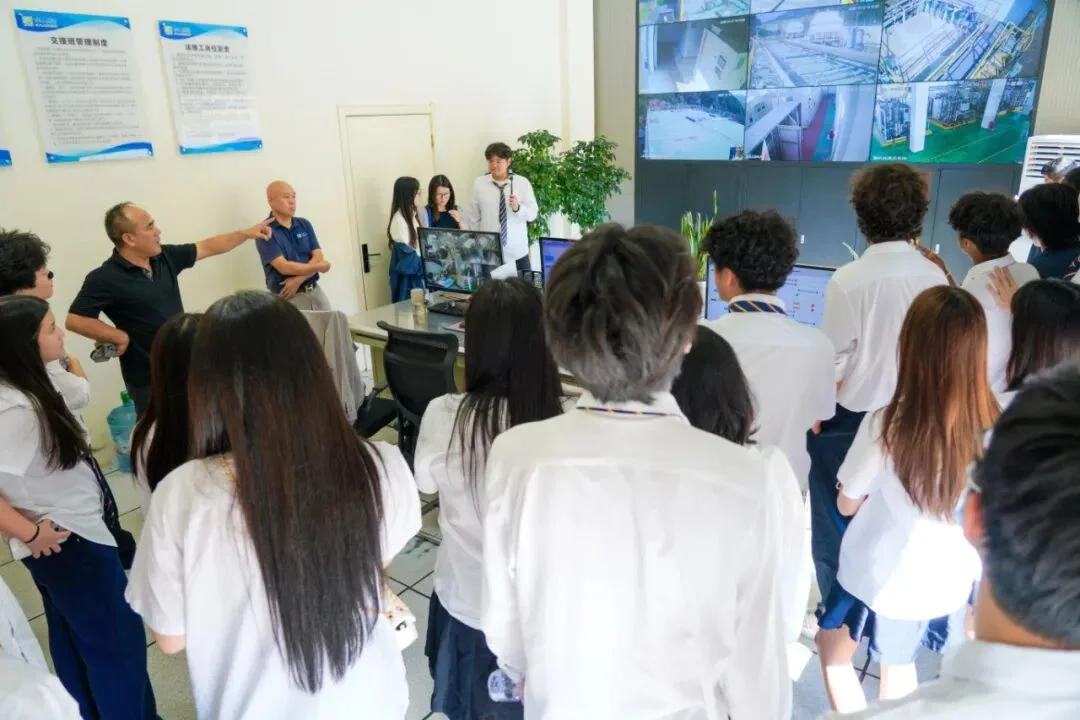
In the central control room, the group saw screens displaying operating figures, flue gas emission indicators and equipment status. Those displays brought together information about processes they had encountered around the facility.
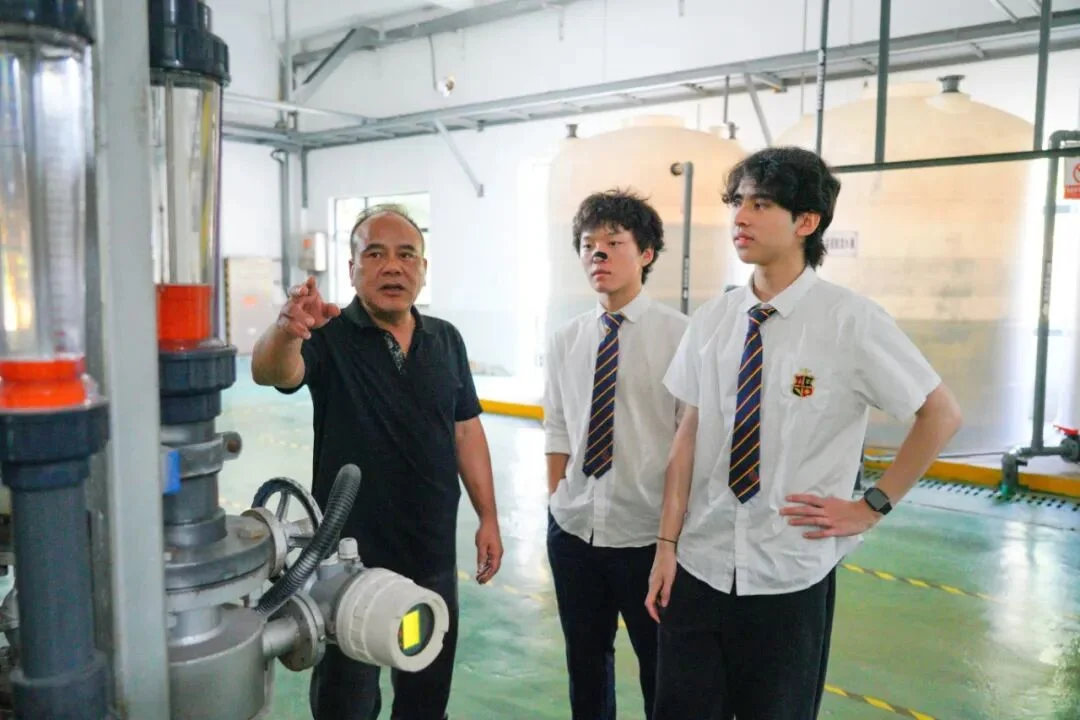
Xu Yue, Manager of the General Affairs Department, and the engineers shared experiences from their daily work. Their explanations covered waste arrival, combustion control, gas cleaning and leachate treatment. The technicians’ concentration also made an impression on the visitors.
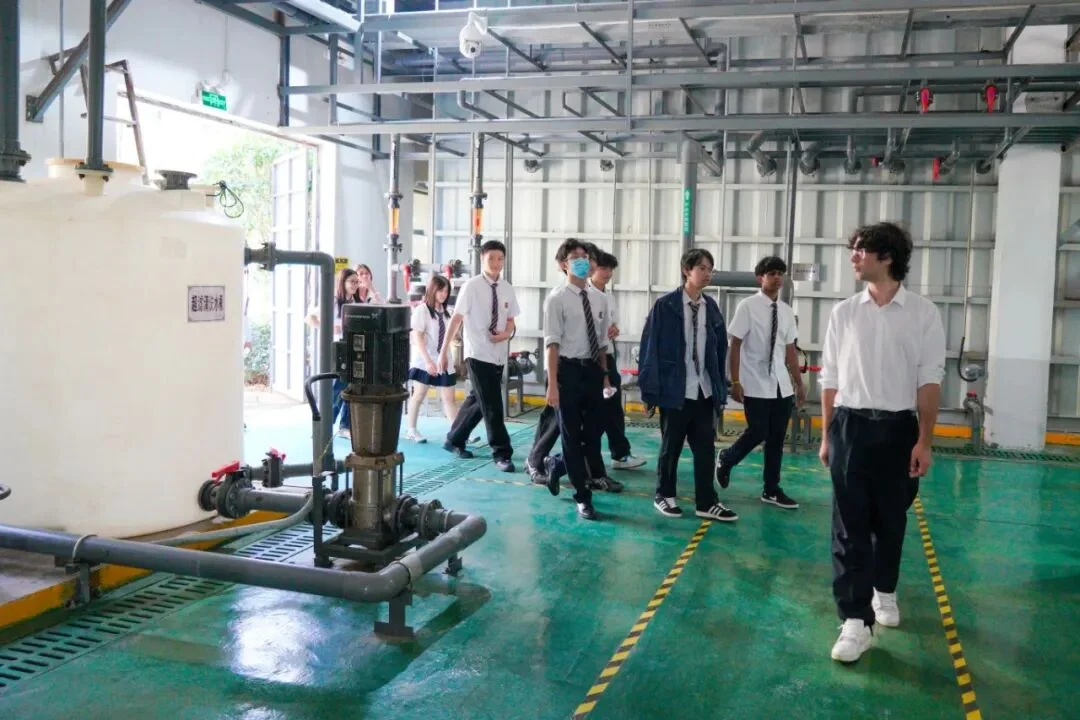
The people mattered as much as the destination. Students were hearing how responsibilities at different stages connected with one another: receiving material at the gate, attending to equipment and following the figures on a screen. The rubbish collected from households continued to require human attention throughout its treatment.
That made the city’s environmental work easier to recognise. Behind a service residents might rarely notice were workers with specific tasks, knowledge and responsibilities. The visit gave the students a basis for appreciating that work through the processes they had seen.
From a Broad Concern to Questions Worth Pursuing
Techin’s reflection moved from a broad concern to named areas of interest. He wanted to explore waste incineration, leachate treatment, fly ash disposal and ultra-low emissions further. Each subject related to a stage or responsibility introduced during the visit.
Techin’s experience sits alongside other school activities at HIS. In this visit, his starting point was classroom chemistry, and his next questions concerned working environmental processes.
What This Case Shows About Learning Beyond Class
The value of this environmental education experience can be followed through its details. Students encountered unfamiliar infrastructure, received explanations from people who worked with it and connected those explanations with processes they could observe. Techin then expressed how that experience related to his chemistry knowledge.
The bag of rubbish provided continuity across the two sites. It kept a familiar object at the centre while its treatment opened onto engineering, the work of a city and the responsibilities of environmental staff. By the end, Techin had several specific subjects he wanted to understand better.
Families who would like to discuss this kind of learning experience can contact HIS. A useful conversation can begin with the same details that make this account memorable: what students observed, how they understood it and what they wanted to explore next.
FAQ
What connected the visit with students’ science learning?
Techin explicitly connected his chemistry knowledge with environmental engineering. The group encountered leachate treatment, combustion, steam generation and the monitoring of working facilities.
What did the students see at the landfill?
They learned about the site’s changing role, capping and restoration work, water-management improvements and leachate treatment. Site managers and engineers explained those parts of the operation.
What did Techin want to study further?
He expressed interest in waste incineration, leachate treatment, fly ash disposal and ultra-low emissions, turning his general environmental concern into specific areas of curiosity.