


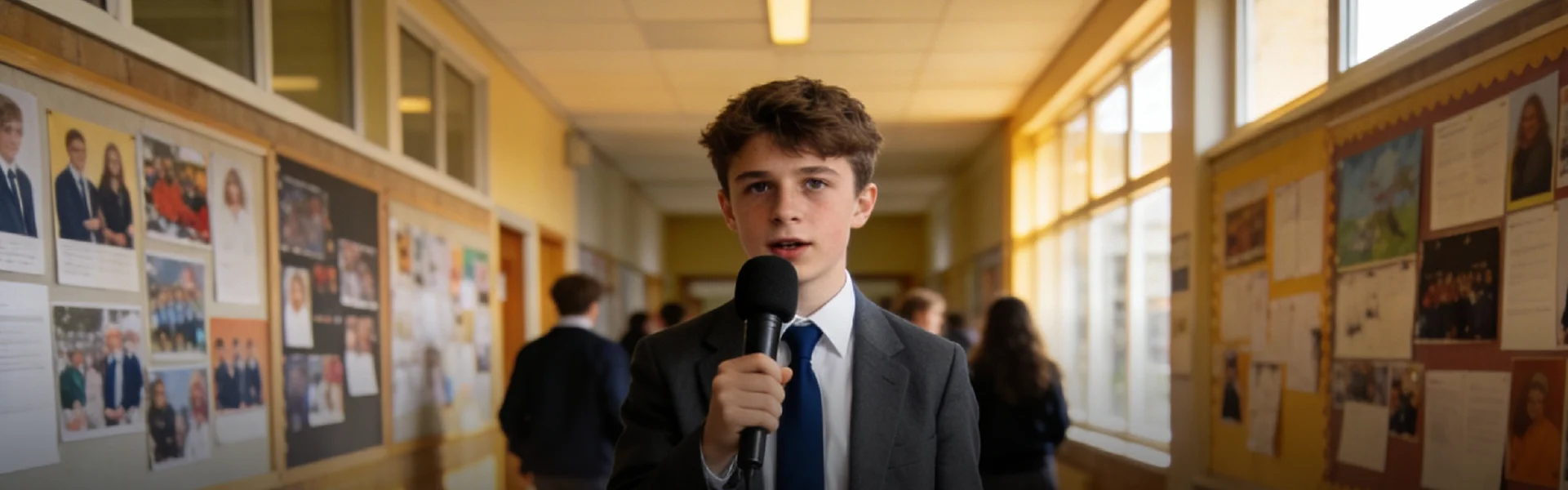
From Rubbish to Electricity: Hailiang Students Trace the Waste to Energy Process
 2026.10.27
A bag of rubbish leaves a household as a single object. At a treatment facility, its story separates into different routes: material moves through equipment, heat is recovered, liquid is treated and residues are handled. More than twenty Hailiang International School students followed those connections during a visit that brought international education at HIS into contact with working infrastructure in Zhuji.
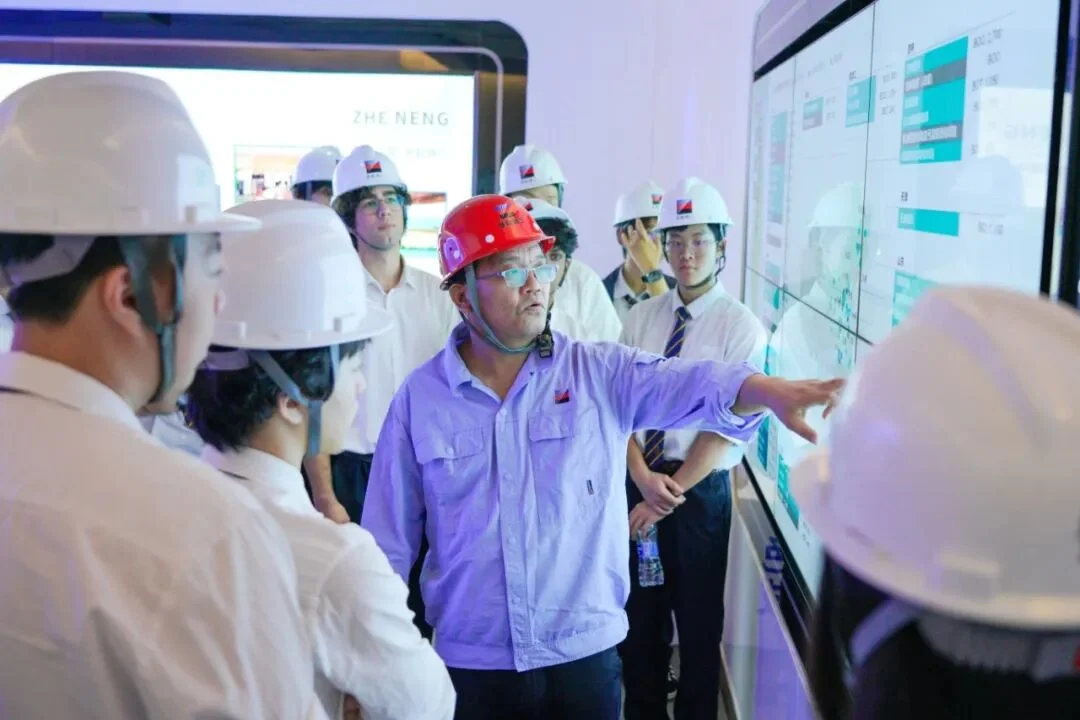
The group visited Baimaojian Waste Sanitary Landfill and Zhejiang Zhuji Bafang Thermal Power Co., Ltd. through the “I’m in China” Course. Seeing both sites put waste to energy within a wider picture. Energy generation was one part of a route that also included the continuing management of an older disposal site, water treatment, gas cleaning and ash handling.
The clearest way to understand the visit is to follow what moved through each part of the system and what happened next. That approach keeps the useful energy outputs and the materials still requiring attention in the same explanation.
Why the Journey Began at a Landfill
At Baimaojian, site managers explained how the landfill’s responsibilities had changed. Built in 1989, the site had received household waste over many years. Its first phase was capped and ecologically restored at the end of 2019, and a further upgrade in 2024 improved rainwater separation and anti-seepage systems.
The guides described a site that no longer received raw household rubbish and served an emergency disposal role for solidified waste. Yet the visit still included treatment facilities and water-management work. A change in incoming material had not removed the need to manage material already deposited there.
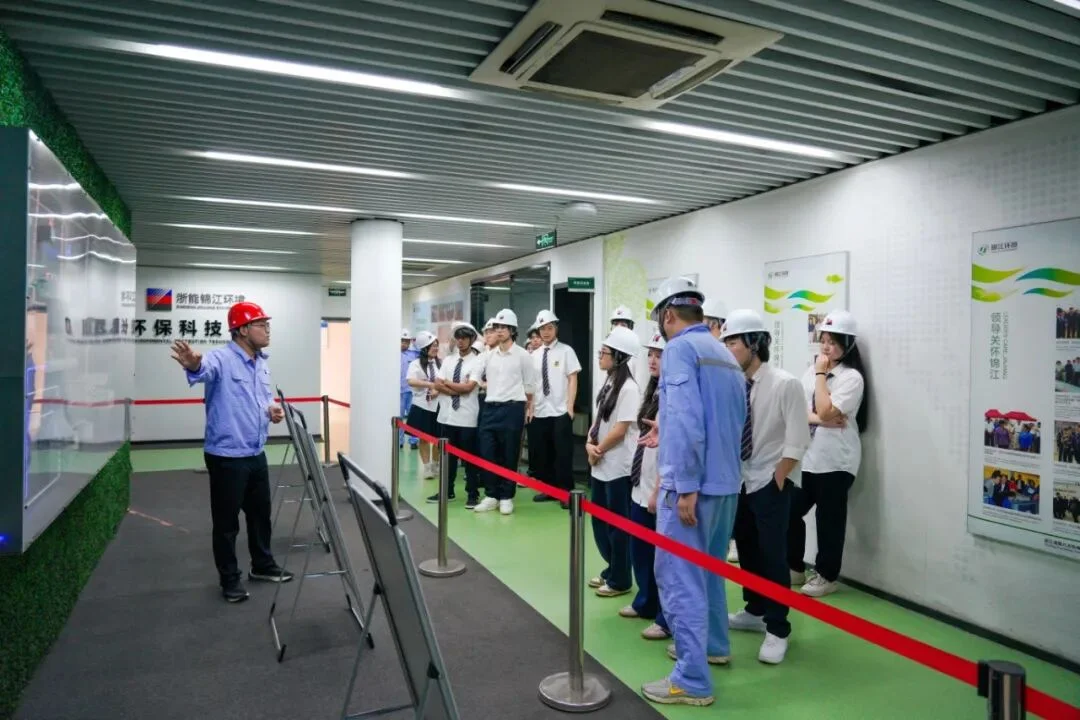
This helps explain why a restored landfill and an operating power facility belonged on the same itinerary. They represented different responsibilities within waste management: caring for an existing site and processing household waste through an energy-recovery route. The students encountered both the earlier destination of rubbish and a different way of treating it.
From Delivery Vehicles to the Furnace
At Bafang, the process began with sealed vehicles bringing household rubbish to the plant. The waste was weighed and discharged into a bunker, then fed through a charging system into a mechanical grate furnace.
Those stages gave the students a route they could follow before reaching the energy-generating equipment. Reception established what entered the plant; the bunker held the incoming material; the charging system moved it into the furnace. In the furnace, the rubbish heated, dried and burned.
The distinction between these stages is useful because the arrival of rubbish and the recovery of energy are separated by a sequence of operations. The tour connected each step with the next, showing how household material entered a process designed to release and use its heat.
How Waste to Energy Connects Heat, Steam and Electricity
Combustion supplied heat to a waste-heat boiler. The boiler produced steam, which drove turbine generators. In this part of the route, the useful output moved from heat to steam and then to electricity generation. The company also explained its role in supplying heat.
- Household waste arrived, was weighed and entered the waste bunker.
- The charging system fed the material into the mechanical grate furnace.
- Combustion released heat as the waste burned.
- The boiler used that heat to produce steam.
- Steam drove the turbine generators.
The sequence explains how a familiar waste material could contribute to electricity and heat supply. It also provides a way to distinguish the different equipment: the furnace, boiler and turbine generators were connected but had different roles.
That energy pathway was only one part of the students’ explanation of the plant. Alongside it, they learned about liquid, gas and solid streams that needed their own treatment or handling. Following those routes prevents the electricity output from obscuring the rest of the process.
The Liquid Route: Treatment and Separate Outputs
Leachate, the liquid collected from waste, needed treatment at both stops. At Baimaojian, the group visited two treatment facilities where engineers explained treatment and resource reuse. They watched dark, unpleasant-smelling liquid become clearer through a sequence of processes.
At Bafang, the explanation included the destinations of the resulting streams: treated water entered the sewer system and concentrate was reused. The liquid route therefore had to be understood through both the treatment stages and the management of what came out of them.
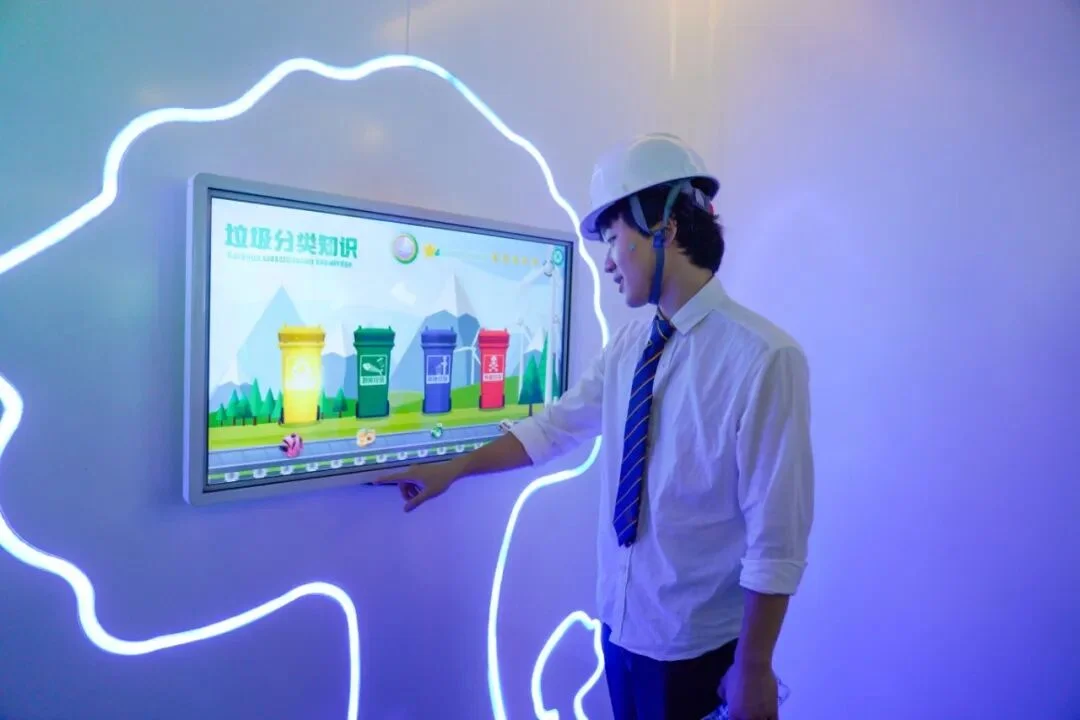
The site’s rainwater-separation and anti-seepage improvements added another part of water management to the landfill visit. Students encountered measures for managing water around the deposited waste as well as equipment for treating leachate. Both were relevant to the site even after its role in receiving household rubbish had changed.
The Gas Route: Combustion Followed by Cleaning
The furnace explanation described a high-temperature zone above 850°C and a gas residence time of at least two seconds. These conditions formed part of the account of combustion control. The students also learned that flue gases passed through cleaning processes before release from the stack.
For a school audience, the important connection is between those successive responsibilities. The furnace released heat from the incoming waste; the gas-cleaning system addressed another output of combustion. Recovering energy and managing emissions were both part of operating the facility.
China’s published technical guidance on household waste treatment discusses combustion conditions and flue gas cleaning separately. The distinction helps explain why the tour included treatment systems and emission indicators alongside the generating equipment.
The Solid Route: Bottom Ash and Fly Ash
The plant’s explanation distinguished bottom ash recovery from fly ash handling. Bottom ash was described as a resource-recovery stream. Fly ash was collected in an ash silo before further treatment.
The landfill visit also introduced a dedicated area for solidified fly ash. Taken together, the stops showed why the material remaining after combustion still belonged in the students’ picture of waste management. Different residues followed different handling arrangements.
Energy recovery changes the role of part of the incoming waste, but the remaining solids continue their own routes. Keeping bottom ash and fly ash separate in the explanation avoids treating all ash as one material with one destination. Collection, treatment, recovery and disposal describe different actions within that larger system.
How the Control Room Brought the Routes Together
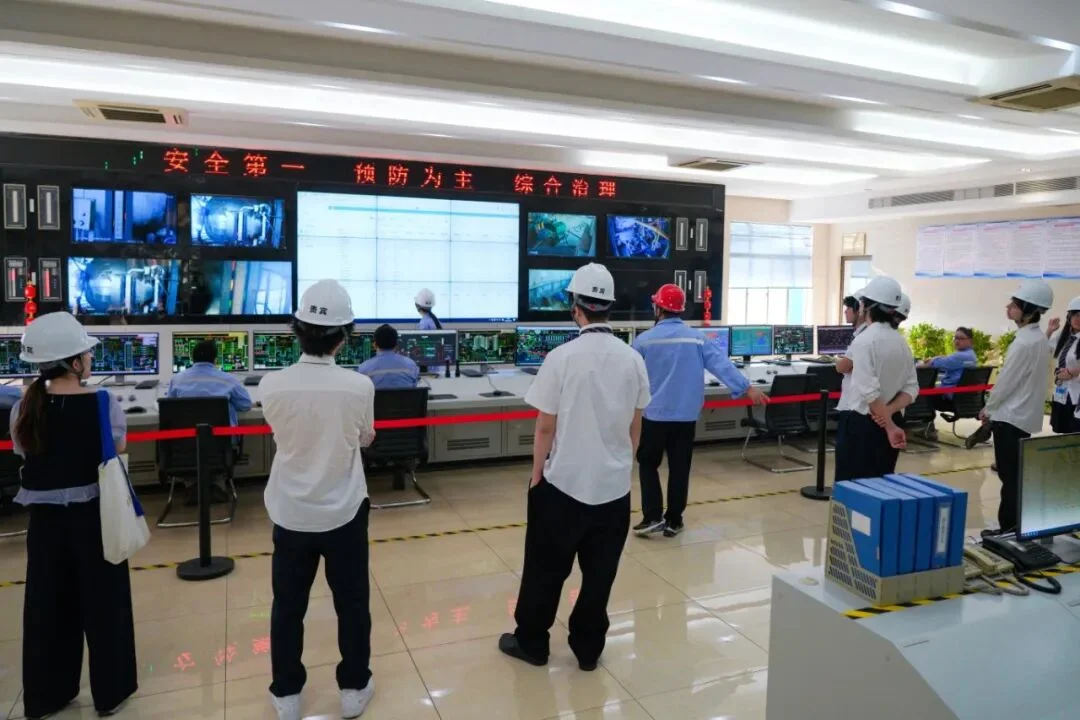
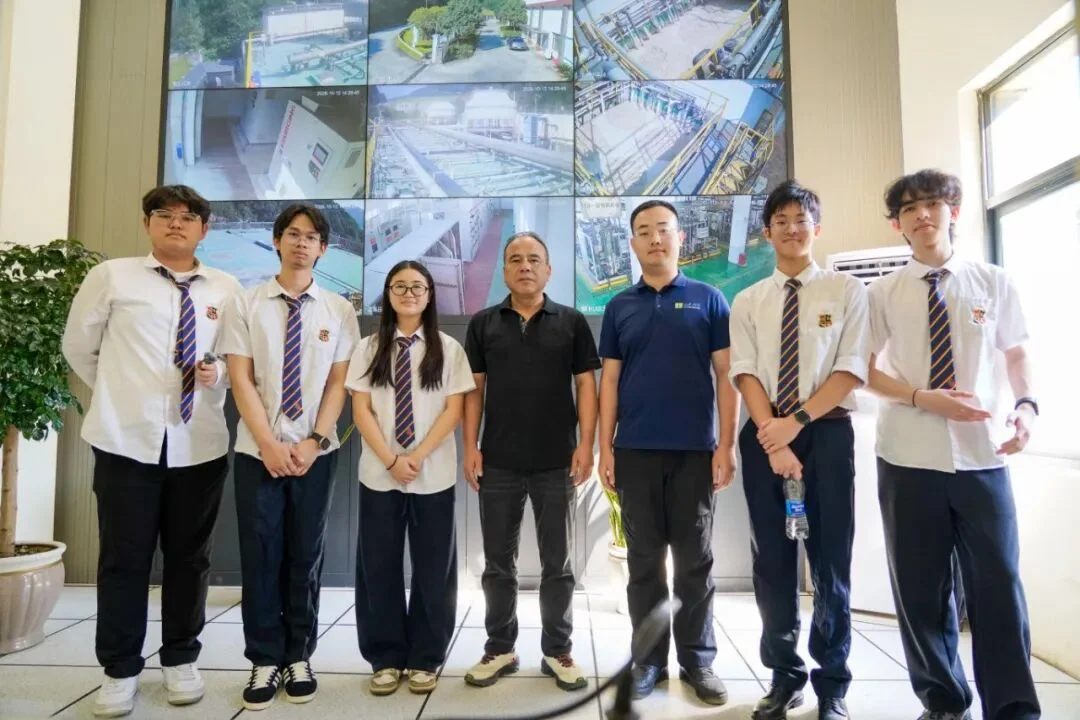
The central control room displayed operating figures, flue gas emission indicators and equipment status. These screens brought information about several processes into one place after the students had encountered individual stages around the plant.
Xu Yue, Manager of the General Affairs Department, and the engineers shared experiences from daily operation. Their account connected the arrival of waste with combustion control, gas cleaning and leachate treatment. The technicians’ focused work showed the human attention behind the systems on display.
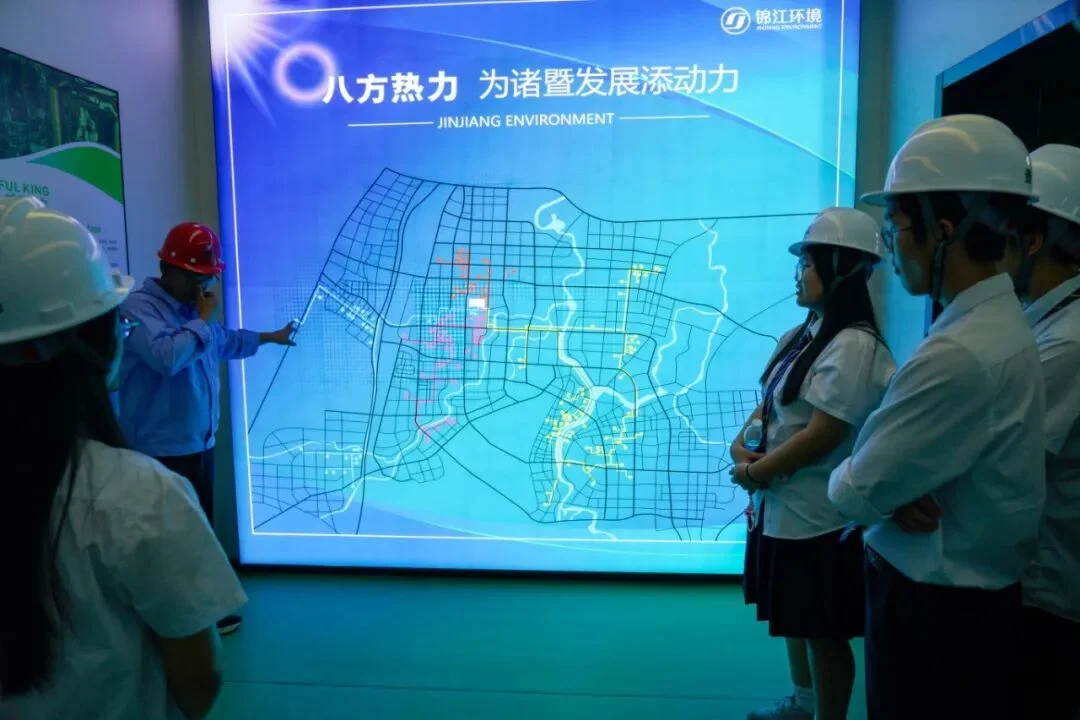
The visit thus connected three things: material moving through equipment, useful outputs leaving parts of the process and people monitoring operations. The facility’s work continued across those connections, rather than ending when electricity was generated.
Reading the Whole Route
For families exploring educational study tours, this local visit offered an example of learning by following a process through several settings. Each stop contributed a different part of the explanation: the landfill’s changed role, the treatment of liquid, the recovery of energy and the management of other outputs.
Waste-to-energy became easier to understand when placed inside that complete route. Rubbish could provide heat for steam and electricity generation, while liquids, gases and ash remained matters for treatment and handling. The students could see how useful outputs and environmental responsibilities existed together.
Families considering the school can contact the HIS admissions team with questions. This particular visit shows the kind of working infrastructure the group encountered through the “I’m in China” Course.
FAQ
How did the plant generate electricity from household waste?
Waste was burned in a mechanical grate furnace, supplying heat to a boiler. The resulting steam drove turbine generators. The company also introduced its heat-supply role.
Why did students visit a landfill as well as a power plant?
The landfill showed the continuing management of an existing waste site, including restoration and water treatment. The power facility introduced energy recovery and the handling of other outputs from waste treatment.
What happened to the outputs other than electricity?
The tour explanation covered leachate treatment, flue gas cleaning, bottom ash recovery and separate collection and treatment of fly ash. These were distinct routes within the wider process.