


STEM Activities for Students: What High-Quality Programs Should Actually Teach
 2026.8.6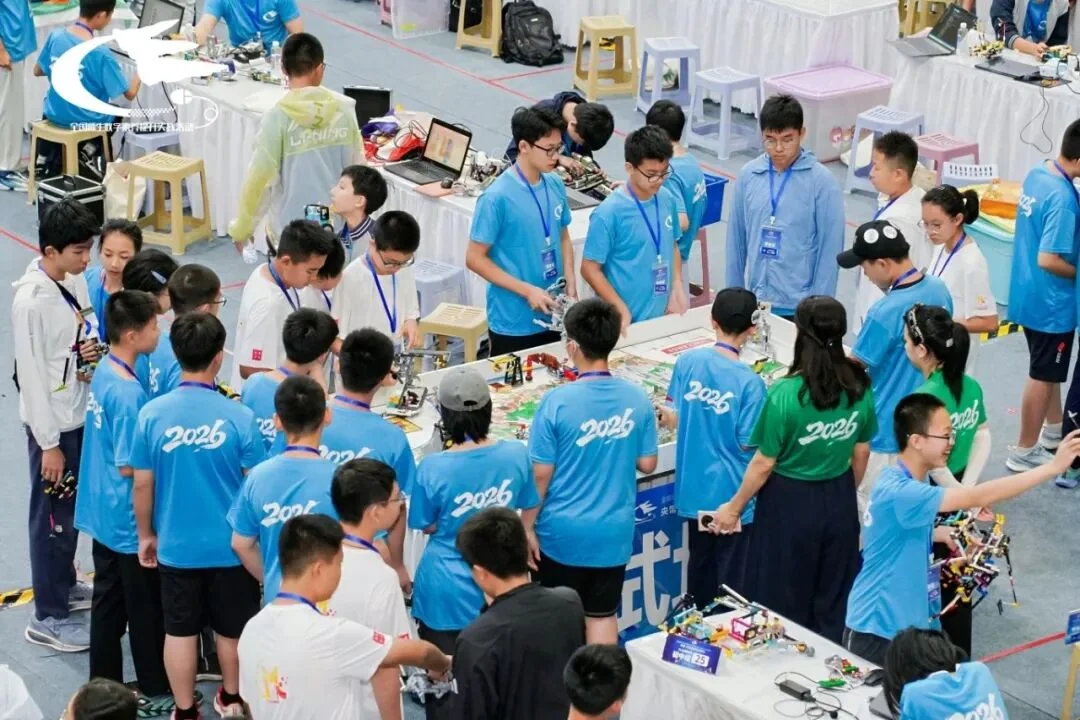
Families planning to study in China may encounter schools promoting robotics, coding, artificial intelligence and innovation courses. However, the strongest STEM activities for students do more than provide access to impressive equipment. They develop AI literacy for students, structured problem-solving, collaboration and the ability to explain why a proposed solution works.
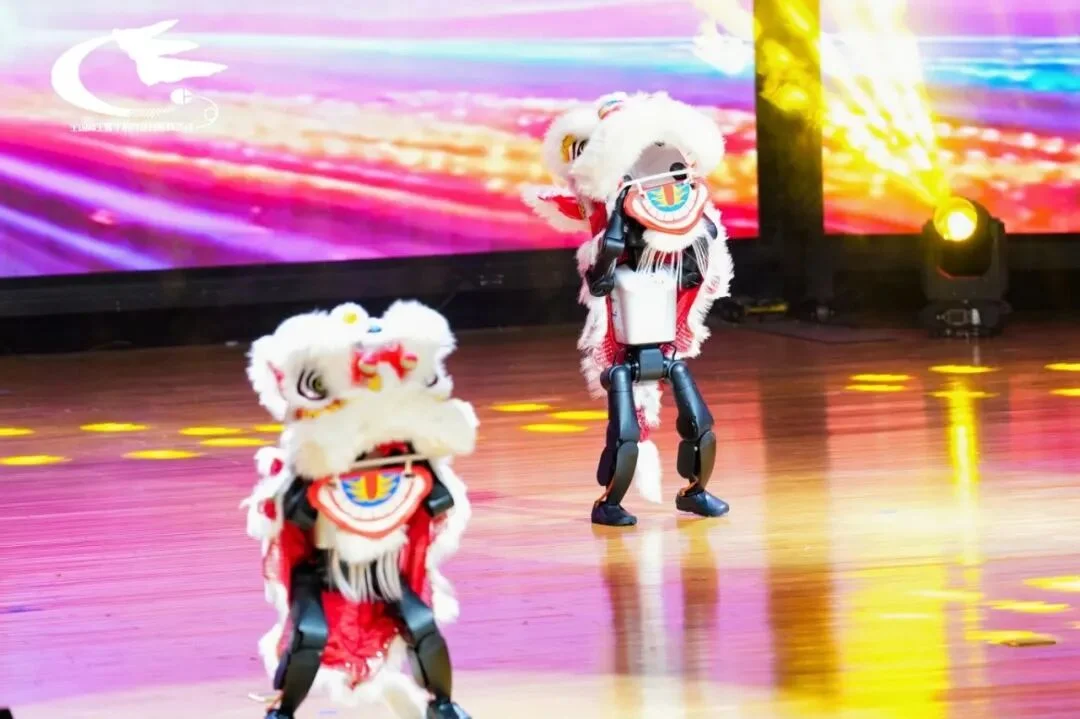
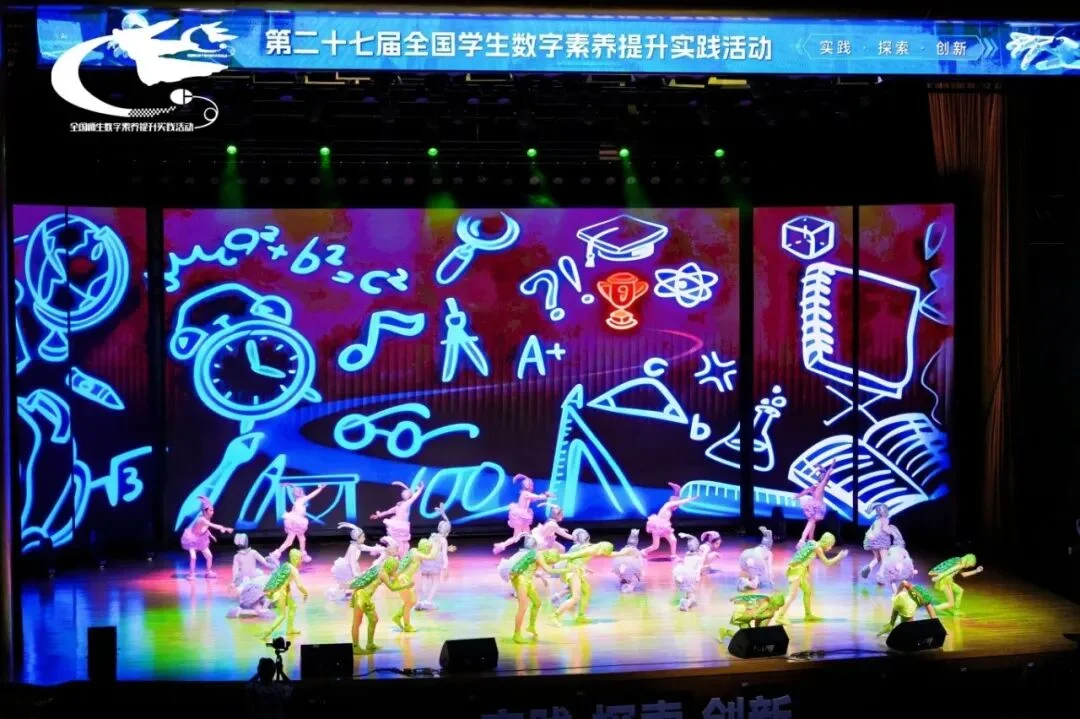
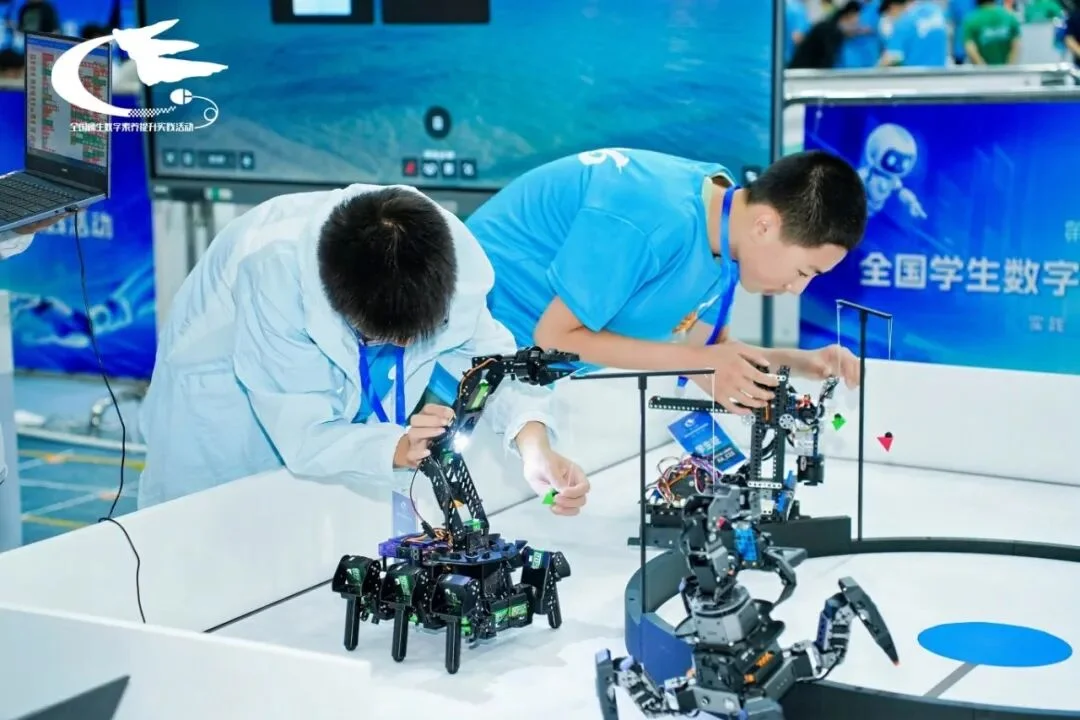
The 27th National Student Digital Literacy Enhancement Practice Activity, held at Hailiang Education Park in July 2026, provides a useful example. Around 2,700 students participated in digital art, computational thinking and science and technology projects, often completing tasks under time limits and responding to real-world themes.
Quick Answer
A high-quality STEM activity should give students a meaningful problem, require them to combine knowledge from several subjects, allow time for testing and revision, and ask them to communicate what they learned.
The finished robot, program or model is evidence of the process—not the entire purpose of the activity.
What Are STEM Activities for Students?
STEM refers to science, technology, engineering and mathematics. In education, these subjects are often combined so that students can investigate problems, evaluate evidence, design solutions and improve their work through testing. UNESCO describes STEM learning as a way to strengthen critical thinking, problem-solving and creativity while addressing wider social challenges.
Examples of STEM activities include:
programming a robot to navigate an obstacle course;
designing a sensor-based environmental monitoring system;
testing the strength of different bridge structures;
using data to predict energy consumption;
creating a digital model of an archaeological site;
or developing an application for a practical community need.
What makes an activity educational is not the amount of technology involved. It is the quality of the thinking required from the student.
1. A Strong Activity Begins with a Real Problem
Weak STEM activities often begin with a fixed list of instructions.
Students assemble the same components, enter the same code and produce nearly identical results. They may enjoy the process, but they have few opportunities to make meaningful decisions.
A stronger activity begins with a problem.
For example:
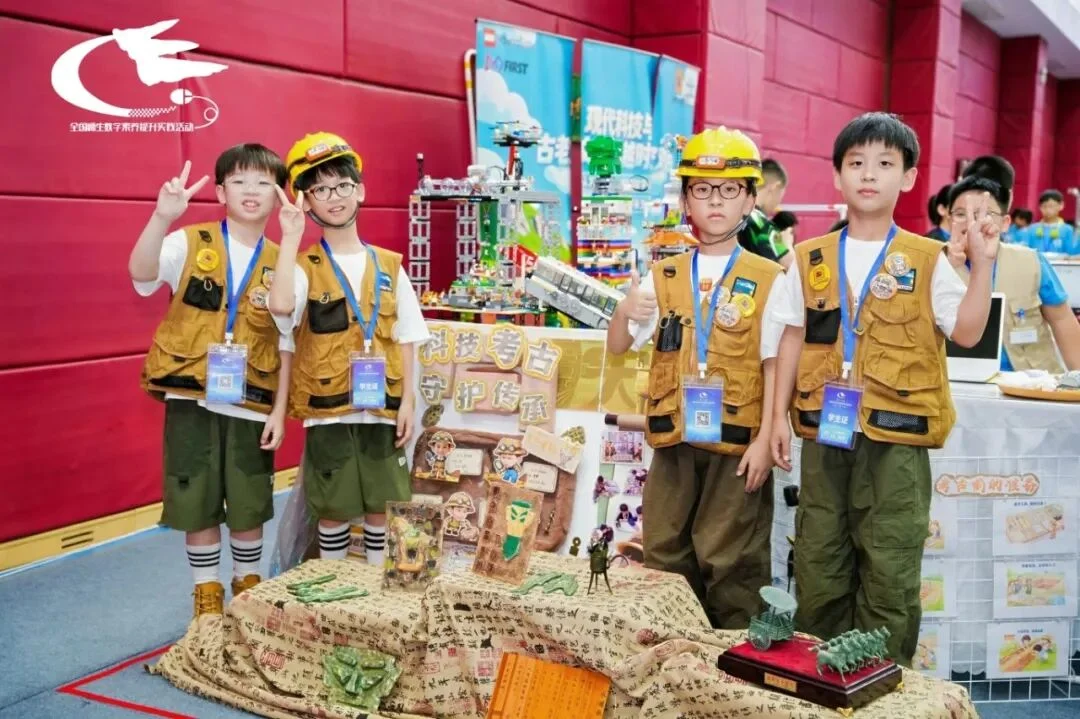
How can a robot move fragile archaeological objects without causing damage?
This question requires students to consider mechanical design, movement accuracy, speed, materials, programming and the needs of cultural heritage protection.
At the 2026 national digital literacy event, a project based on archaeology and cultural preservation asked students to develop intelligent models and complete robot-based challenges. The theme connected technical knowledge with history and human responsibility.
The educational value came from the connection. Technology was not presented as an isolated subject, but as a tool for addressing a real need.
2. Students Need to Make Decisions
Good STEM education in China should create space for student choice.
Students might need to decide:
which materials to use;
how to divide work within a team;
which variables to control;
how to collect and interpret data;
what to do when a model fails;
and which trade-offs are acceptable.
When every decision has already been made by the teacher, students are mainly practicing execution. When students must compare alternatives, they begin practicing engineering and scientific reasoning.
The teacher’s role also changes. Instead of immediately providing the correct answer, the teacher asks questions that help students identify the next step.
3. Failure Should Produce New Information
Testing and failure are essential parts of STEM learning.
A robot may turn too early. A structure may collapse. A program may work with one input but fail with another. These outcomes should not automatically be treated as poor performance.
A failed test can reveal:
an incorrect assumption;
missing data;
an unstable design;
an inefficient algorithm;
or a misunderstanding of the problem.
Students should be given time to record the result, identify the cause and make a revision.
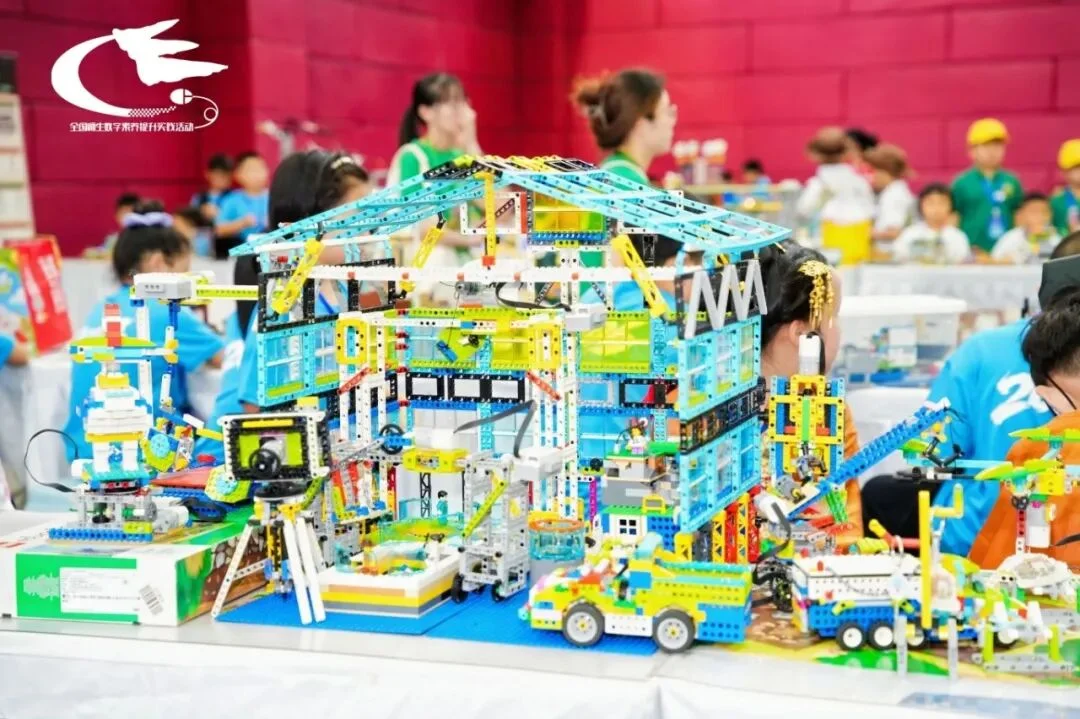
The on-site creation format used during the national activity made this process visible. Students had to respond to challenges in real time instead of presenting only a carefully rehearsed final product.
For parents, this is an important indicator. A school that displays finished models should also be able to explain how students test, revise and reflect on their work.
4. AI Literacy Is Different from Using AI
AI literacy for students means understanding enough about artificial intelligence to use it critically, safely and responsibly.
A student who enters a prompt and receives a polished answer has used an AI tool. An AI-literate student should also ask:
Where might the answer be wrong?
What evidence supports it?
Was personal or sensitive data provided?
Could the output contain bias?
Should the source be acknowledged?
Which parts require human judgment?
How can the result be independently verified?
These questions matter because AI can produce plausible information that is incomplete, inaccurate or inappropriate for the context.
China’s 2026 “AI Plus Education” direction emphasizes artificial intelligence literacy and differentiated learning goals across educational stages. This provides a national policy context for the continued development of EdTech in China, but individual schools still need clear rules, teacher preparation and age-appropriate implementation.
5. STEM Should Include Communication
Students do not complete a STEM project when the device starts working.
They should also be able to explain:
what they attempted;
which evidence informed their decision;
what changed during development;
what limitations remain;
and what they would improve next.
Communication reveals whether students understand the project or have simply reproduced a procedure.
It also prepares them for future academic work. Scientists, engineers and programmers must communicate with colleagues, clients, policymakers and members of the public. A technically correct solution has limited value when its creator cannot explain how it works or why it matters.
Presentations, design reports, demonstrations and question-and-answer sessions should therefore be treated as part of the STEM learning process.
6. High-Quality Programs Connect Different Subjects
STEM learning is interdisciplinary by nature.
A robotics project may involve mathematics for measurement, physics for movement, computer science for programming and engineering for design. When art, communication and human-centered design are also included, the approach is often described as STEAM.
The distinction between STEM and STEAM education in China is less important than the quality of integration.
Adding an art component does not automatically create STEAM learning. The subjects must contribute meaningfully to the final solution.
For example, cultural heritage technology may require students to consider historical accuracy, visual communication and the emotional meaning of an artifact alongside technical performance.
That integration helps students understand that real problems rarely belong to only one school subject.
7. Activities Should Be Appropriate for the Student’s Level
A complicated project is not automatically a better project.
Effective science education in China should provide an achievable level of challenge. Beginners may need structured guidance, while experienced students should receive greater independence and more demanding design constraints.
Parents can ask whether a school:
assesses students’ starting levels;
offers different entry points;
allows students to progress to more complex projects;
supports beginners without lowering academic expectations;
and provides extension opportunities for advanced learners.
This is particularly important for international students who may be adapting to a new language and curriculum at the same time.
A student may understand scientific concepts but need additional support with technical English or Chinese. Schools should distinguish language needs from subject ability rather than assuming they are the same problem.
What Parents Should Ask a School
Parents do not need to be engineers or programmers to evaluate a school’s STEM provision.
The following questions can reveal whether the program is based on meaningful learning or mainly promotional display.
What do students create?
The school should be able to show a range of projects and explain what decisions students made themselves.
How are projects connected with the curriculum?
Strong activities reinforce scientific, mathematical or computational concepts rather than operating as isolated entertainment.
How is AI literacy taught?
Ask about fact-checking, privacy, attribution, bias, ethical use and school rules for AI-assisted work.
What happens when a project fails?
Students should have opportunities to diagnose the problem and revise their designs.
How is progress assessed?
Assessment may include design records, code quality, testing, teamwork, presentations and reflection—not only whether the final product works.
Are teachers appropriately prepared?
Schools should explain who teaches the program, what training they have received and how subject teachers collaborate.
Can beginners participate?
An inclusive program should offer structured entry points while allowing experienced students to take on more advanced work.
Evaluating Technology Learning at an International School
Families considering an international school should distinguish between the wider educational environment and the exact program offered by the school.
HIS is a K–12 international boarding school in Zhejiang Province with Chinese-medium and English-medium curriculum pathways. Its Cambridge pathway progresses toward IGCSE and A-Level qualifications, and the school’s FAQ lists Computer Science among the subjects generally available at senior-secondary level. Student placement is based on language proficiency, academic preparation and future university plans.
Because courses, clubs and staffing can change between academic years, families should ask the admissions team for current information about:
Computer Science subject availability;
coding and robotics clubs;
science laboratories;
interdisciplinary projects;
AI-use policies;
competitions and external activities;
and support for students studying in a second language.
This approach is more reliable than selecting a school based only on photographs of equipment or broad claims about innovation.
Preparing Students to Create Responsibly
The purpose of STEM education is not to predict exactly which technology a child will use in the future.
Specific platforms, programming languages and AI tools will continue to change. Students therefore need abilities that remain useful across different technologies:
asking precise questions;
identifying reliable evidence;
designing and testing solutions;
learning from unsuccessful attempts;
working with people from different backgrounds;
communicating complex ideas;
and considering the consequences of technological decisions.
The national digital literacy event at Hailiang Education Park demonstrated these abilities at scale. Students used robots, code, digital design and intelligent models, but the deeper challenge was deciding how those tools could respond to real problems.
For families preparing to study in China, that is the most important standard to apply. A strong STEM program does not simply teach students to follow technology. It helps them understand it, question it and use it responsibly.
Frequently Asked Questions
What are STEM activities for students?
STEM activities are practical learning tasks that combine science, technology, engineering and mathematics. Strong activities require students to investigate a problem, design a solution, test the result and explain what they learned.
What is AI literacy for students?
AI literacy is the ability to understand, evaluate and responsibly use artificial intelligence. It includes checking accuracy, protecting personal information, recognizing possible bias, acknowledging AI assistance and knowing when human judgment is required.
What is the difference between STEM and STEAM?
STEM covers science, technology, engineering and mathematics. STEAM adds the arts. High-quality STEAM education integrates creative design, culture or communication meaningfully rather than adding an unrelated art activity to a technical project.
How can parents evaluate STEM education in China?
Parents should examine actual student projects, curriculum links, teacher qualifications, assessment methods, AI-use policies and opportunities for testing and revision. Current program details should be confirmed directly with each school.
Is China a good place to study STEM?
China offers a large and rapidly developing environment for science, technology and digital education. However, program quality differs by school, so families should evaluate the curriculum, language of instruction, teaching quality and student support rather than relying on national trends alone.
Do international schools in China teach coding and AI?
Some international schools offer Computer Science, coding, robotics or AI-related activities, but provision varies. Families should ask whether these are formal academic subjects, clubs, short-term activities or optional external programs.
Why is hands-on STEM learning important?
Hands-on learning makes students apply concepts, confront unexpected results and revise their ideas. It helps transform abstract knowledge into practical reasoning and gives teachers clearer evidence of what students genuinely understand.