


China AI Education in Action: 2,700 Young Innovators Meet at Hailiang Education Park
 2026.8.5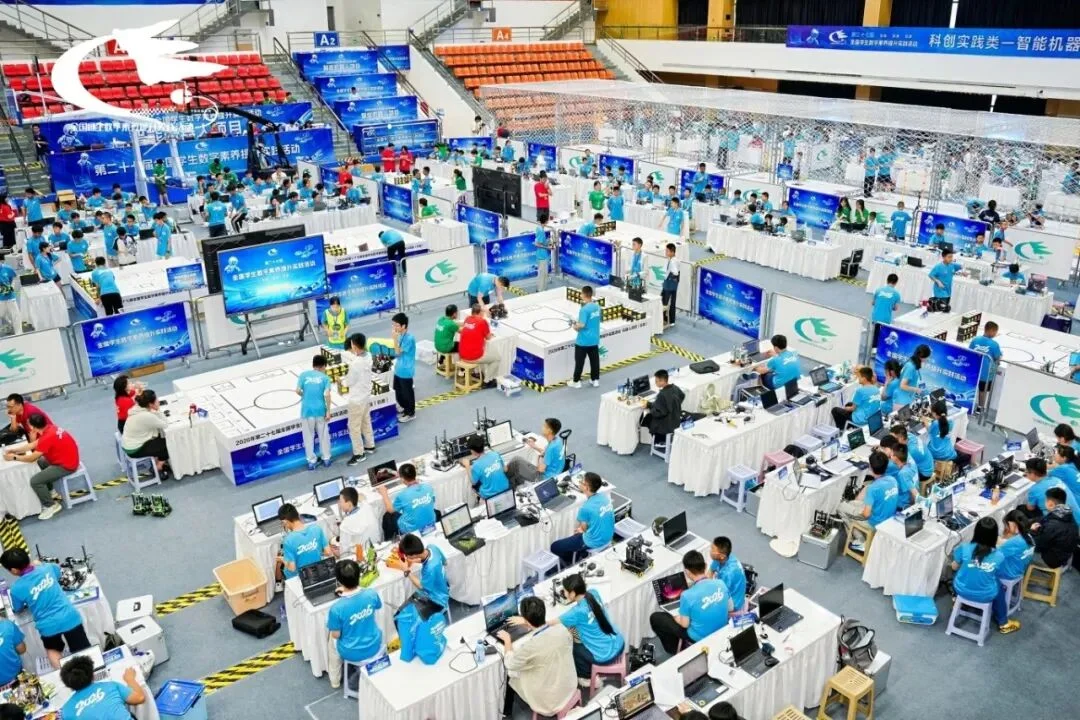
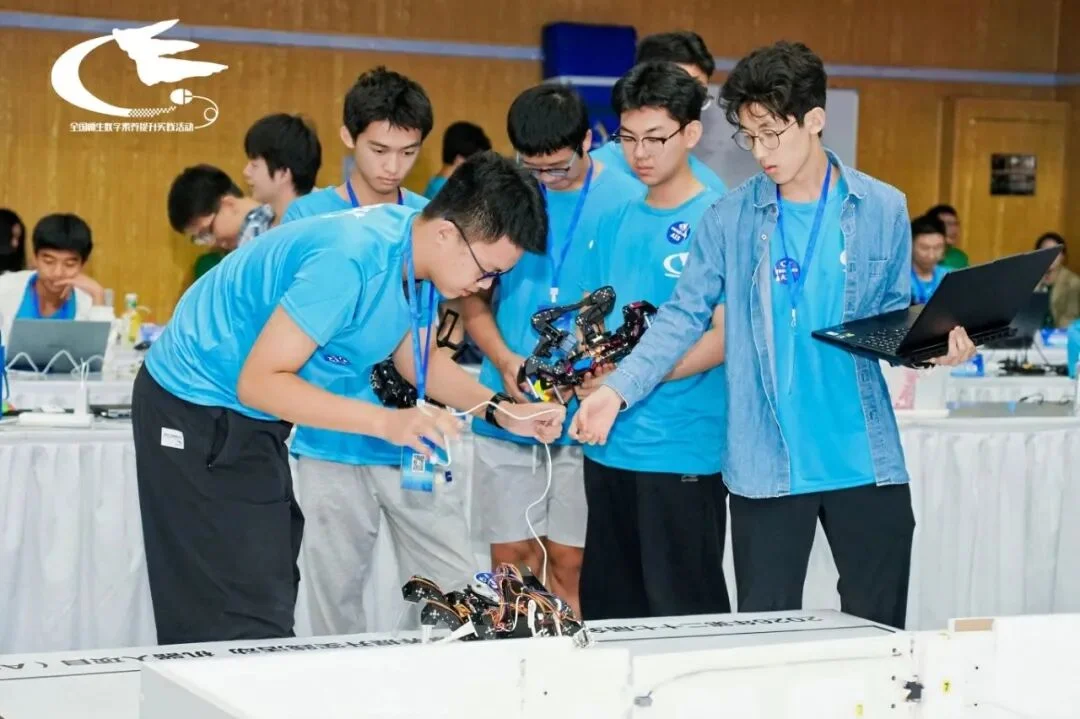
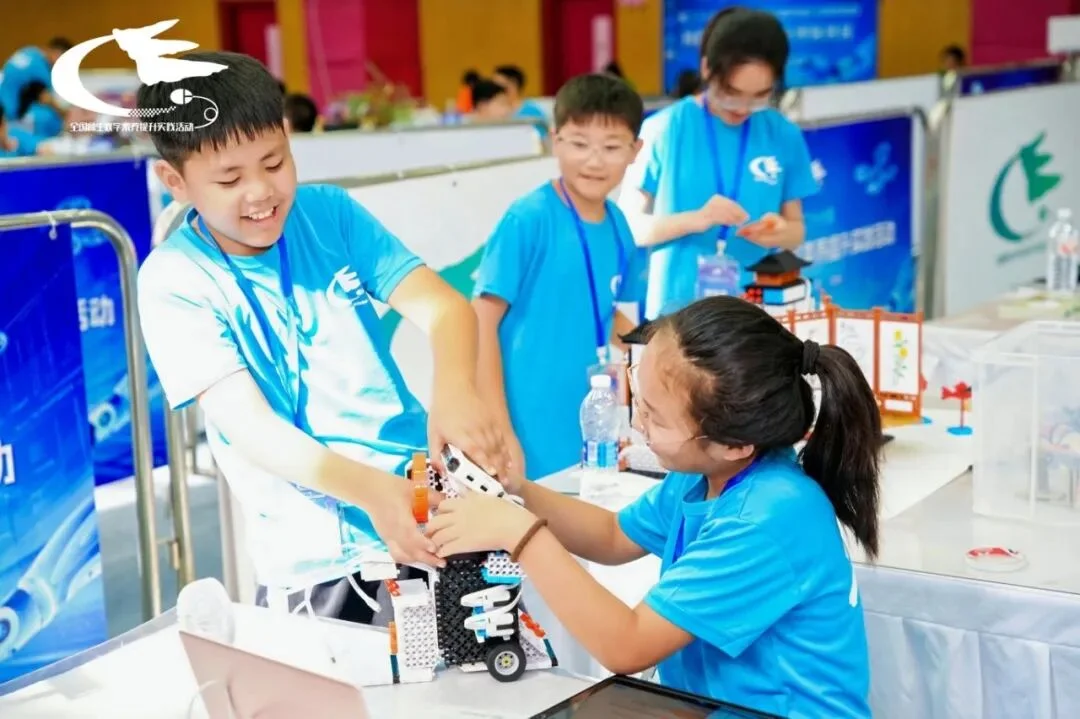
For international families planning to study in China, the 27th National Student Digital Literacy Enhancement Practice Activity offered a valuable view of China AI education and the growing role of AI in Chinese schools. From July 24 to 30, 2026, approximately 2,700 students gathered at Hailiang Education Park in Zhejiang Province to create digital artworks, write code, build intelligent devices and solve practical problems under time limits.
The seven-day event was guided by China’s Ministry of Education and organized by the National Center for Educational Technology. It brought together students from 31 provincial-level regions, the Xinjiang Production and Construction Corps, Hong Kong and Macao. Hailiang Technology Services supported the event as a co-organizer and helped provide venue operations and on-site services.
Quick Answer
The event showed that digital education is no longer limited to teaching students how to use computers. Students were expected to identify problems, develop solutions, test their ideas, explain their reasoning and consider how technology can serve people and society.
From Computer Skills to Digital Problem-Solving
The national activity began in 2000 as the National Computer Production Activity for Primary and Secondary School Students. It has since developed into a broader platform for digital literacy, creative practice and technological innovation.
The 2026 program covered three main areas:
digital art;
computational thinking;
science and technology innovation practice.
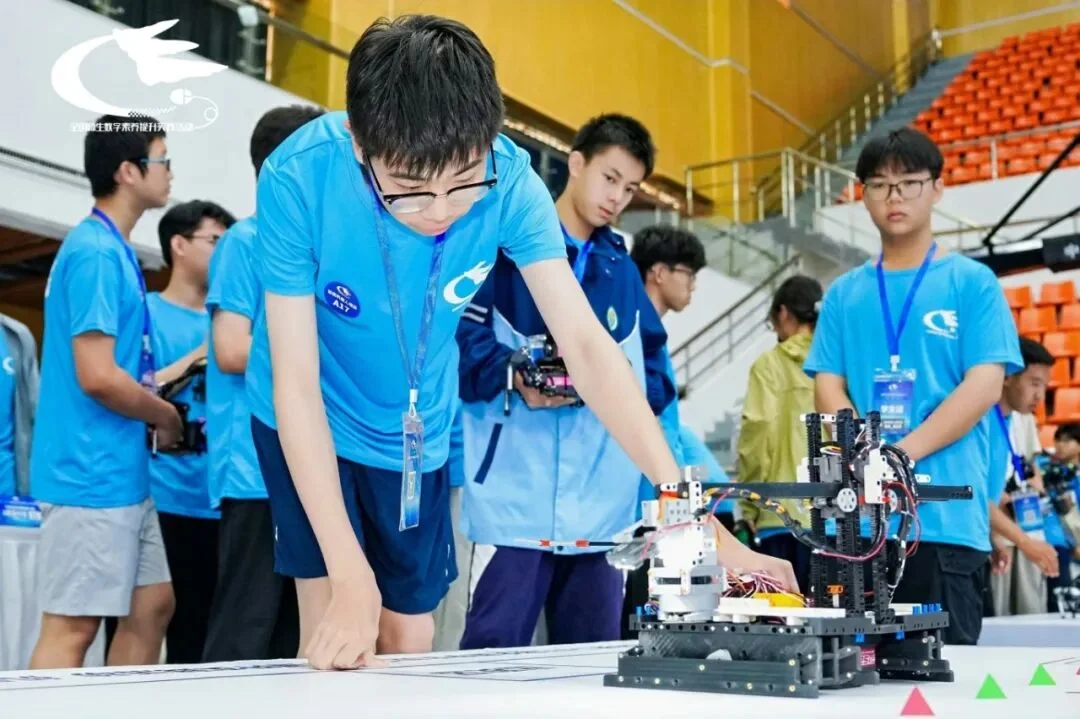
Students worked on projects involving intelligent robots, creative programming, digital design, artificial intelligence and smart devices.
This structure reflects an important change in AI education in China. Knowing how to operate a device is no longer enough. Students increasingly need to understand how digital systems work, how to transform an idea into a model and how to evaluate whether a technological solution is useful, reliable and responsible.
Why On-Site Creation Matters
The activity continued to use an on-site creation format.
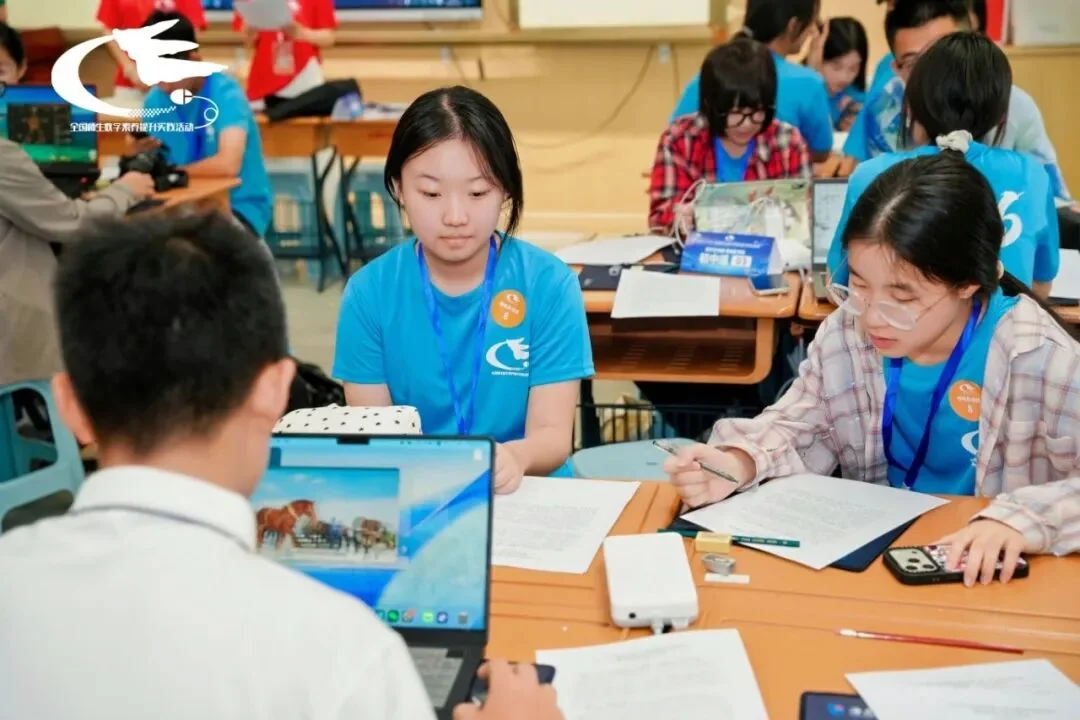
Rather than arriving with only a polished final product, participants had to respond to tasks within a limited period. They needed to understand the challenge, divide responsibilities, make design decisions, test the result and adjust their work when something failed.
This format provides a clearer picture of a student’s actual abilities.
A finished robot may look impressive, but the learning process becomes visible only when students must explain:
what problem they are solving;
why they selected a particular design;
how they used data or code;
what went wrong during testing;
and how they improved the solution.
These are also the abilities that schools should develop through high-quality technology education in China: analysis, collaboration, experimentation, communication and reflective thinking.
Robotics, Coding and Creative Technology
Across the sports venues and teaching buildings at Hailiang Education Park, students worked on different forms of digital creation.
Some teams programmed robots to complete physical challenges. Others developed digital artworks, computational solutions or intelligent models. Students were not simply following instructions. They had to make choices, respond to unexpected results and connect technical knowledge with a practical goal.
The event also demonstrated why coding education in China should not be reduced to memorizing commands.
Code is valuable because it allows students to express logical relationships and turn an idea into an operating system or device. When coding is connected with robotics, design or a social challenge, students can immediately see the consequences of their decisions.
An incorrect instruction may stop a robot. An inefficient sequence may waste time. An incomplete model may fail when environmental conditions change.
These visible results encourage students to debug not only their programs, but also their own thinking.
When Technology Meets Archaeology
One of the most distinctive projects connected modern technology with archaeology and cultural heritage.
The 2025–2026 educational innovation activity developed with LEGO Education used the theme “Bringing the Past Back to Light.” Students examined practical challenges related to archaeological exploration, cultural relic protection and the transmission of civilization.
They then designed intelligent models and programmed robots to complete field-based tasks.
This combination of science and the humanities is significant. It reminds students that technology does not exist in isolation. Artificial intelligence, robotics and engineering can be used to study history, protect cultural heritage and improve the way knowledge is preserved.
The project also offered a practical example of STEAM learning, in which science, technology, engineering and mathematics are connected with art, culture and human experience.
Learning from Experts and Real Experiences
The event included three evening sessions led by experts from university research, school technology education and educational technology.
The speakers discussed artificial intelligence knowledge frameworks, international robotics competitions and the development of young innovators. These sessions connected students’ immediate competition experiences with broader questions:
How is artificial intelligence changing learning?
What distinguishes an effective team in an international competition?
How do young people maintain curiosity after a project ends?
How can students move from using technology to creating with it?
Expert talks are most useful when they help students reflect on their own work. A competition can generate excitement, but reflection helps transform that experience into longer-term learning.
Education Policy Is Moving Toward AI Literacy
The event took place as China was strengthening artificial intelligence education across different stages of learning.
In 2026, the Ministry of Education presented an “AI Plus Education” action plan that included artificial intelligence literacy, differentiated goals for different educational stages and broader integration between technology and teaching. The World Digital Education Conference also focused on how artificial intelligence can improve education while remaining aligned with human development and responsible governance.
For schools, this means AI education should include more than access to new tools.
Students also need to learn:
how AI systems obtain and process information;
how to evaluate AI-generated content;
how to protect privacy and use data responsibly;
how to recognize bias and limitations;
and when human judgment should take priority.
A student who can generate an answer with AI is not necessarily AI-literate. Digital literacy requires the ability to question, verify, apply and take responsibility for the result.
What the Event Means for International Families
For overseas families, studying in China can provide access to a fast-developing environment for science, technology and digital education.
However, the scale of a national event should not be confused with the daily program of an individual school. Parents should still ask how technology learning is implemented in ordinary lessons and whether students have regular opportunities to create, test and present their work.
Useful questions include:
Is technology taught as a separate subject or integrated across disciplines?
Do students complete original projects or mainly follow demonstrations?
Are coding and robotics connected with real problems?
How does the school teach responsible AI use?
Can students explain and reflect on their design process?
Are activities suitable for different levels of experience?
HIS is located within the wider Hailiang education environment in Zhejiang Province. Its official curriculum information presents both Chinese-medium and English-medium pathways, with Computer Science among the subject options generally available in the senior-secondary Cambridge route. Placement is based on language ability, academic foundation and future university goals.
Families should contact the school directly to confirm which technology-related subjects, clubs and activities are available for a particular grade and academic year.
A Campus Becomes a Space for Innovation
For one week, Hailiang Education Park became a meeting place for young programmers, designers, robot builders and problem-solvers from across China.
The most meaningful outcome was not simply the number of projects completed. It was the opportunity for students to work under pressure, respond to unfamiliar challenges and recognize that technology can connect with culture, society and real human needs.
For students who plan to study in China, experiences like these show how learning can extend beyond a textbook. Digital education becomes meaningful when students are not only taught how technology works, but are also trusted to decide what it should be used for.
Student activities and campus experiences
Frequently Asked Questions
What is China AI education?
China AI education refers to the teaching of artificial intelligence knowledge, applications, ethics and problem-solving skills across schools and other learning settings. Current policy emphasizes age-appropriate learning, practical use and the responsible application of AI rather than tool operation alone.
How is AI taught in Chinese schools?
AI may be taught through computer science lessons, coding, robotics, interdisciplinary projects and digital literacy activities. Implementation differs by school, grade and region, so families should ask about current course content and actual student projects.
What was the 2026 National Student Digital Literacy event?
It was the 27th national student activity focused on digital literacy, computational thinking, digital art and science and technology innovation. It was held at Hailiang Education Park from July 24 to 30, 2026, and involved approximately 2,700 students.
Why are robotics and coding competitions useful?
Robotics and coding competitions place students in situations where they must apply knowledge, test solutions, manage time and respond to failure. Their value is greatest when teachers also require students to explain their decisions and reflect on improvements.
Can international students join technology activities when they study in China?
International students may be able to join school-based technology courses, clubs and selected competitions, but eligibility varies. National events may use specific nomination or registration systems, so families should confirm participation rules with the school and event organizer.
What should parents look for in an AI education program?
Parents should look for clear learning goals, trained teachers, hands-on projects, age-appropriate content, responsible-use guidance and opportunities for students to explain how and why their solutions work.