


Shaping Learners Beyond the Classroom: HIS Student Organizations
 2025.12.8
True education is never confined to the classroom.
Beyond lectures and textbooks, how do students prepare for the future?
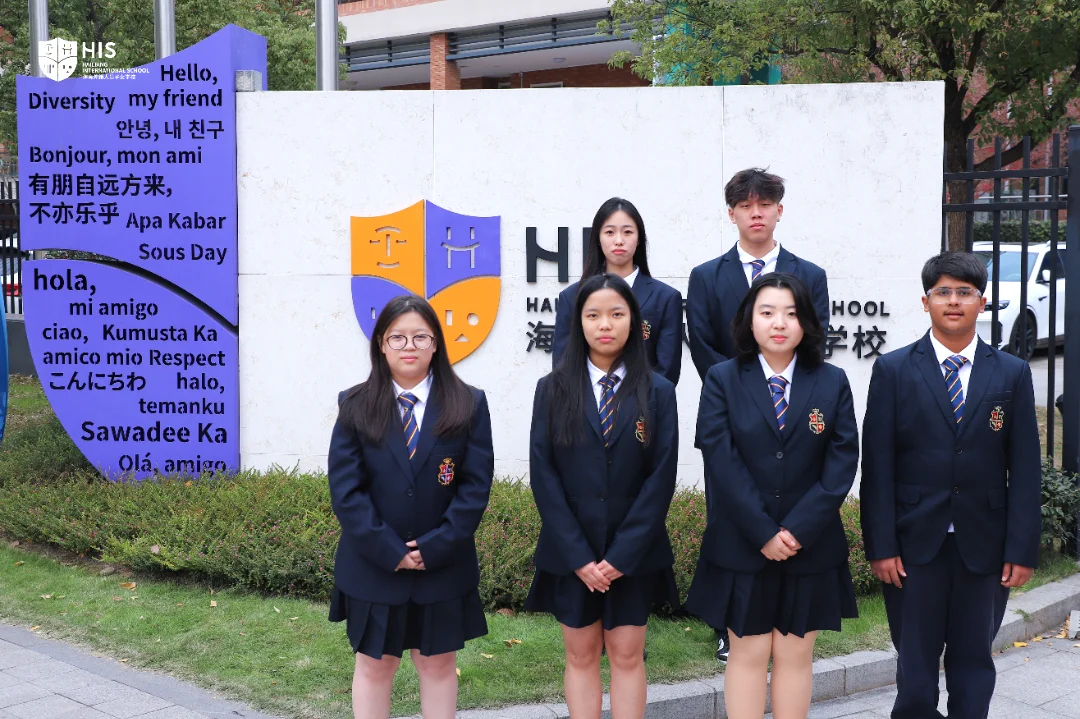
At Hailliang International School, the answer lies in those vibrant, student-led organizations. They are not merely collections of extracurricular interests but the real-life embodiment of the school’s motto: “Diversity, Balance, Inclusion, Respect.”Here, students manage, collaborate, create, and serve—they are building the essential skills that cannot be measured by grades but are crucial in defining their future.
Now, let’s step closer to these teams and see how young minds are actively equipping themselves with the energy to journey far.
Student Organization Union Presidium
They function like the“coordination center” of HIS. Planning schedules, allocating resources, facilitating meetings… Amid seemingly routine tasks, they learn to oversee the bigger picture and build consensus. For many members, this is their first practical lesson in “leadership.”
Student Supervisory Post
They maintain order while preserving warmth. Through tasks like checking attire and ensuring smooth event operations, they learn not just about rules but also about responsibility through service and empathy through attention to detail. Here, a sense of “public-mindedness”—a willingness to care for the collective environment—begins to take root.
Language Study and Support Organization
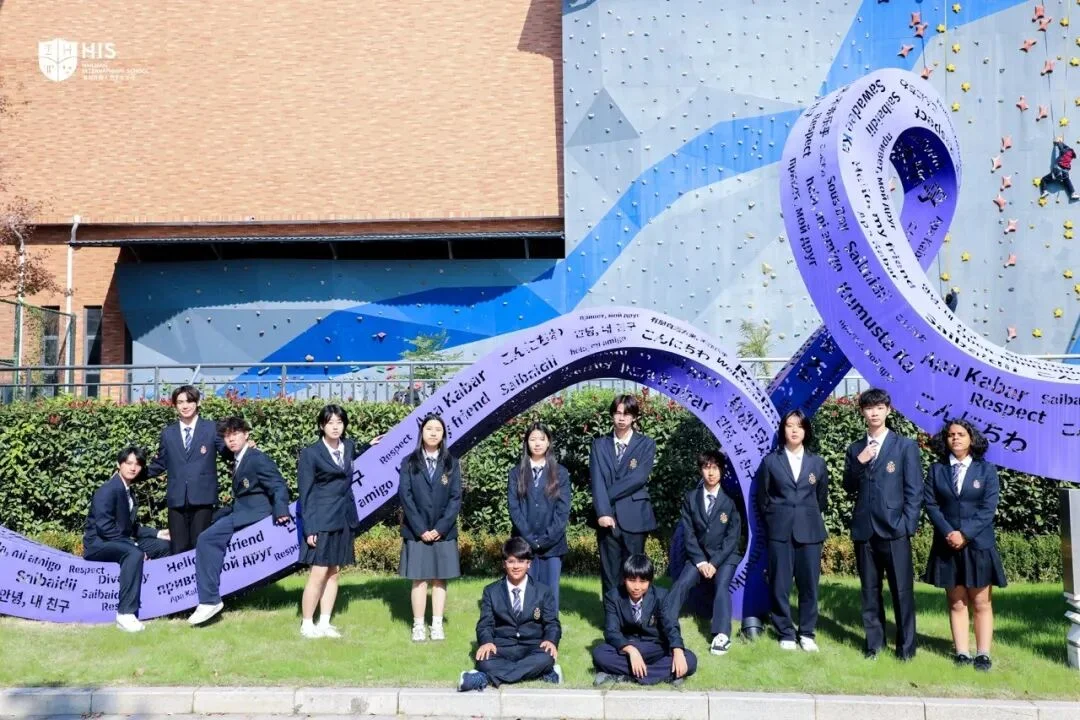
This group is like a warm language exchange hub. Gathering regularly to chat, debate, and practice in pairs helps them overcome communication barriers. More importantly, as they converse in each other’s native languages, they learn to listen and be patient—language truly becomes a bridge to understanding, not a wall of separation.
Student Ambassador Club
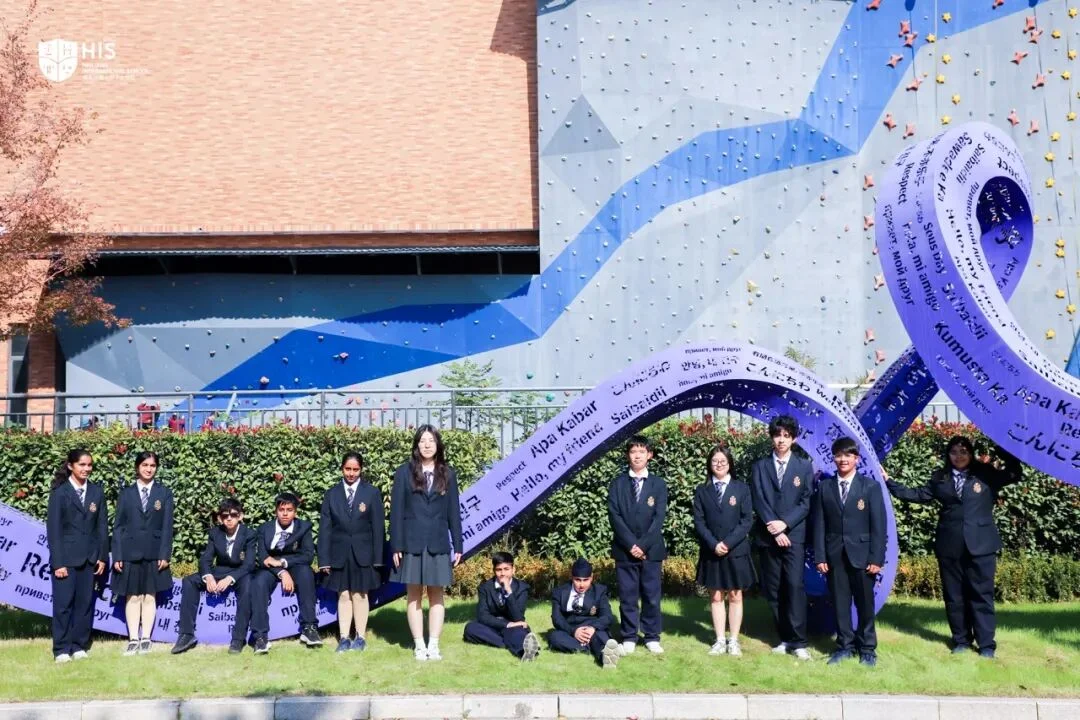
They are the school’s most vivid calling card. Hosting visitors, planning events, sharing HIS stories… Through repeated demonstrations and expressions, they hone their ability to communicate with ease and confidence. How to represent a collective, how to convey a spirit—these questions have no standard answers but are practiced here again and again.
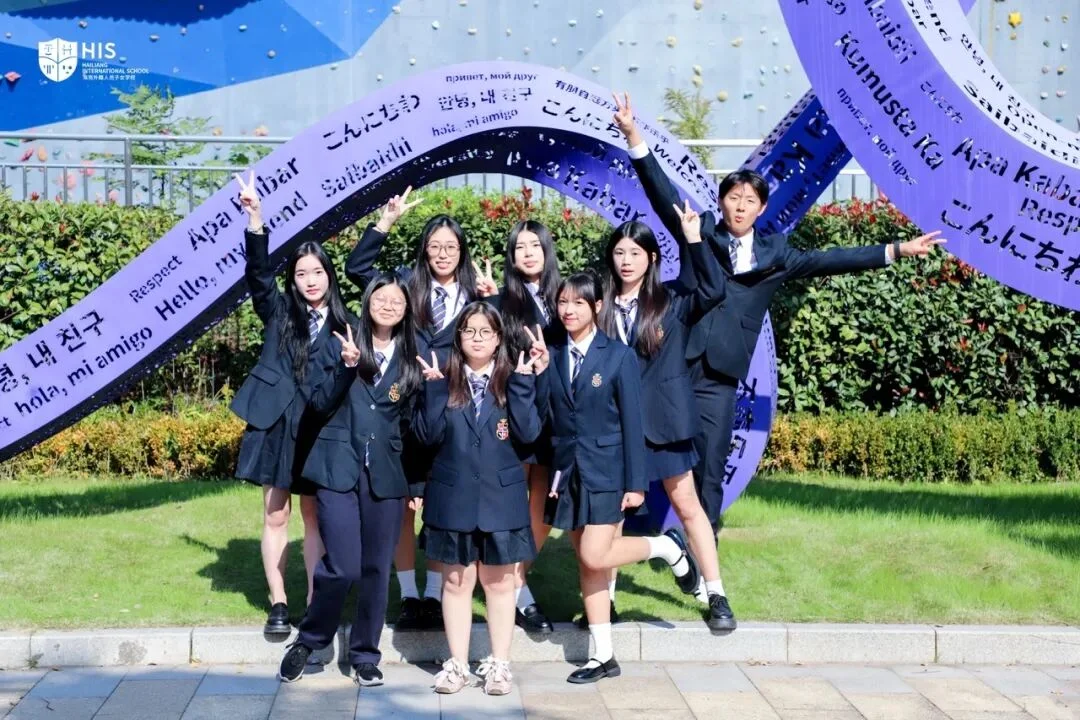
In such a dynamic and multicultural environment, students also gain the confidence to learn to speak Chinese through real-life interactions, campus activities, and cross-cultural communication—further enhancing their ability to connect, express, and thrive in a global context.