


From First Attempt to National Top 5: HIS Students Shine at SPBCN Finals
 2026.6.3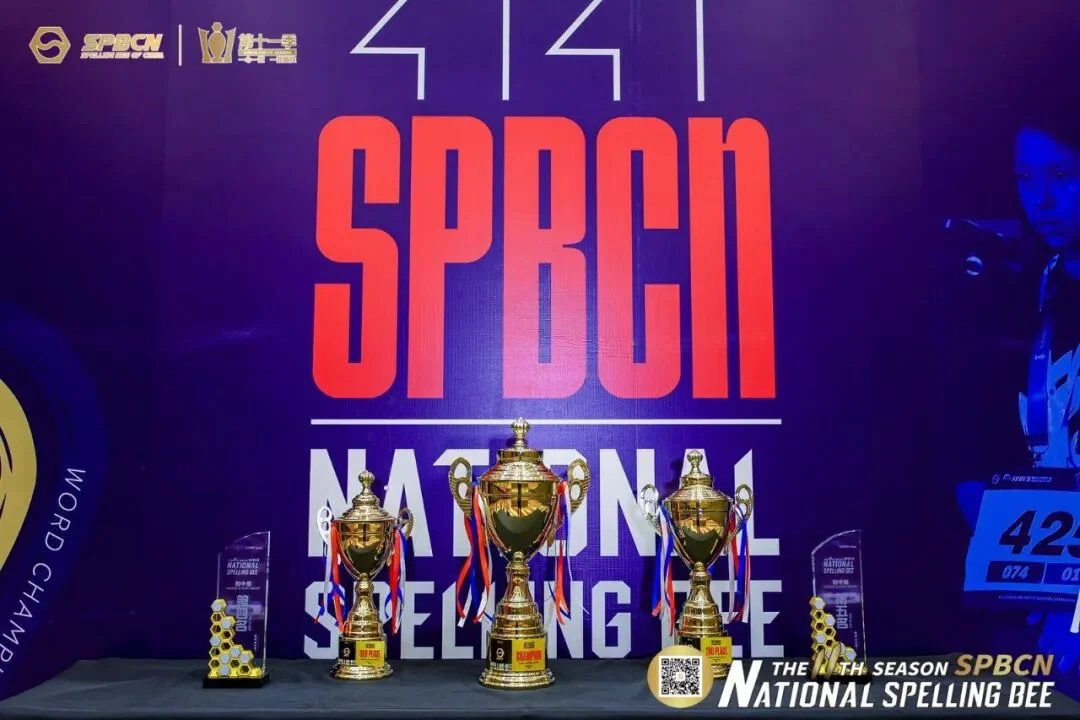
In the green room at the National finals in Beijing, Priyaan took a deep breath.
On stage, the host was reading the prompts. Letters raced through his mind as the timer ticked down second by second. He listened to the words, confirmed their definitions, analyzed their etymologies, and then spelled them out—completing each step in a matter of seconds.
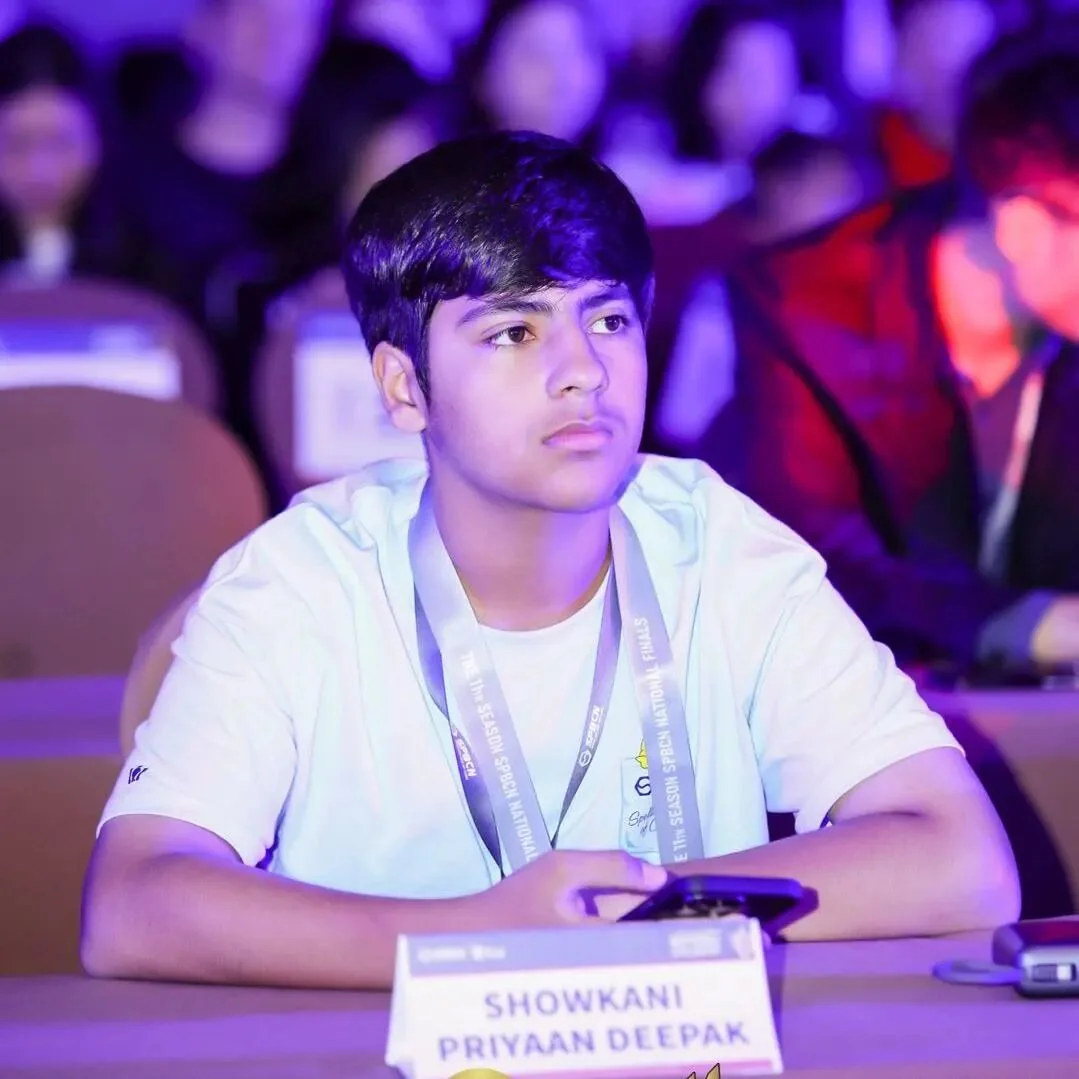
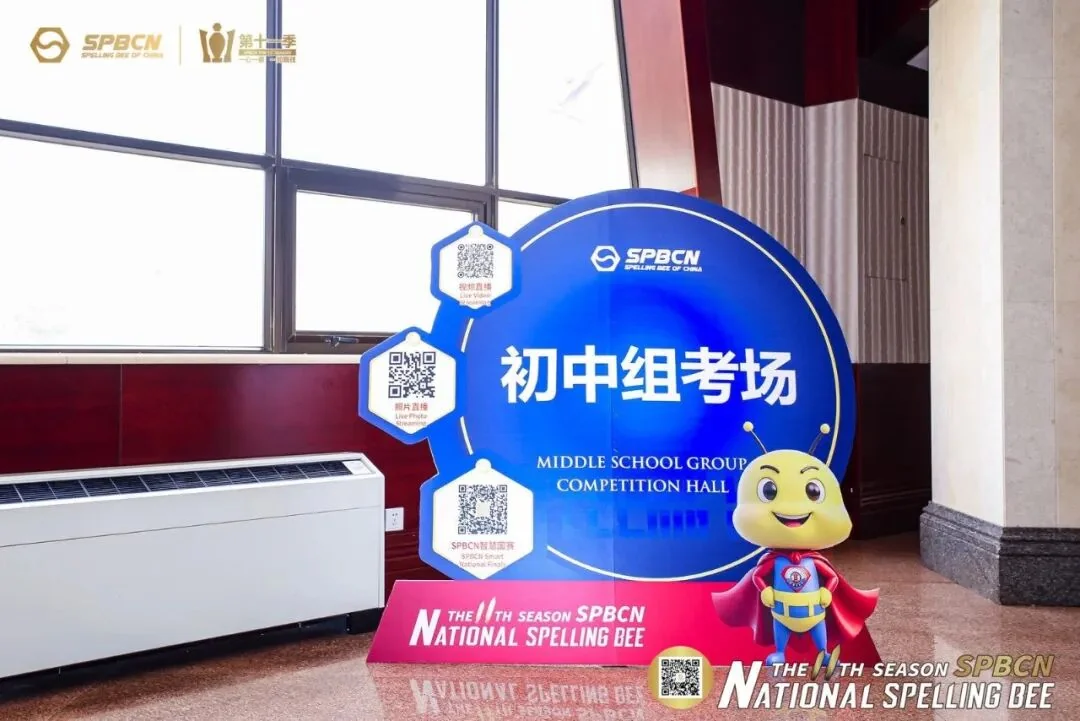
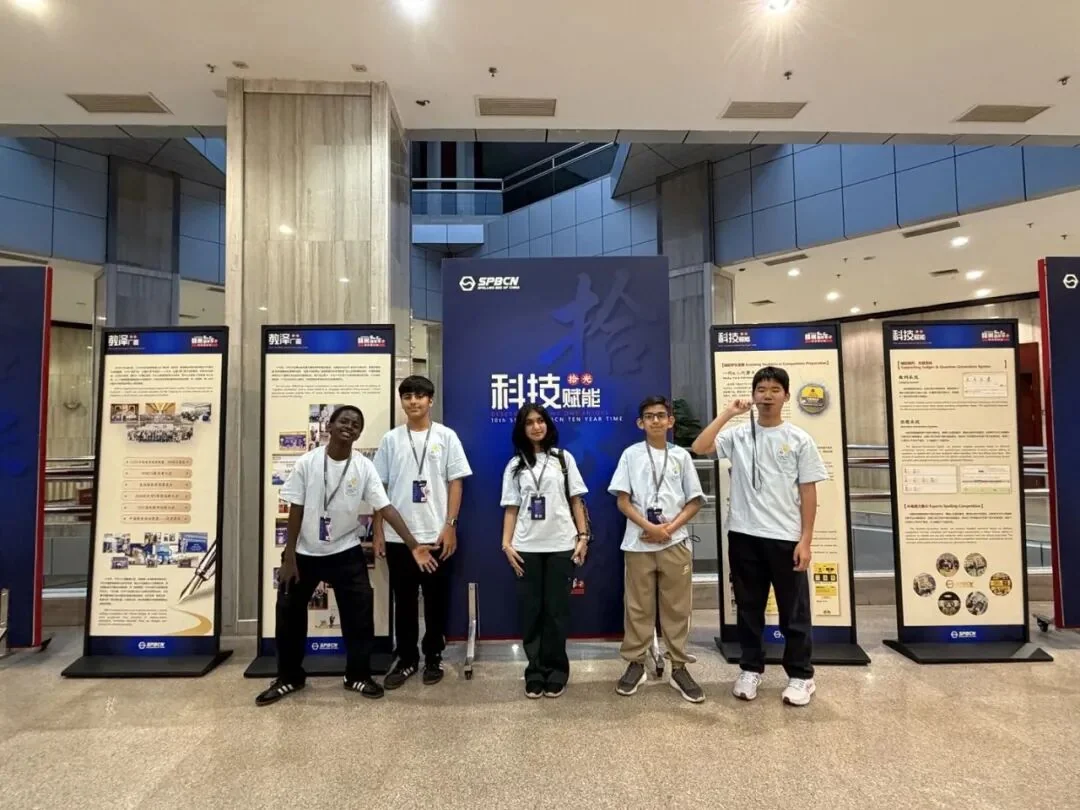
This was the scene at the national finals of the SPBCN (Spelling Bee of China). With over 4 million participants from more than 4,000 schools across the country, Priyaan and four of his schoolmates stepped onto this stage for the first time.
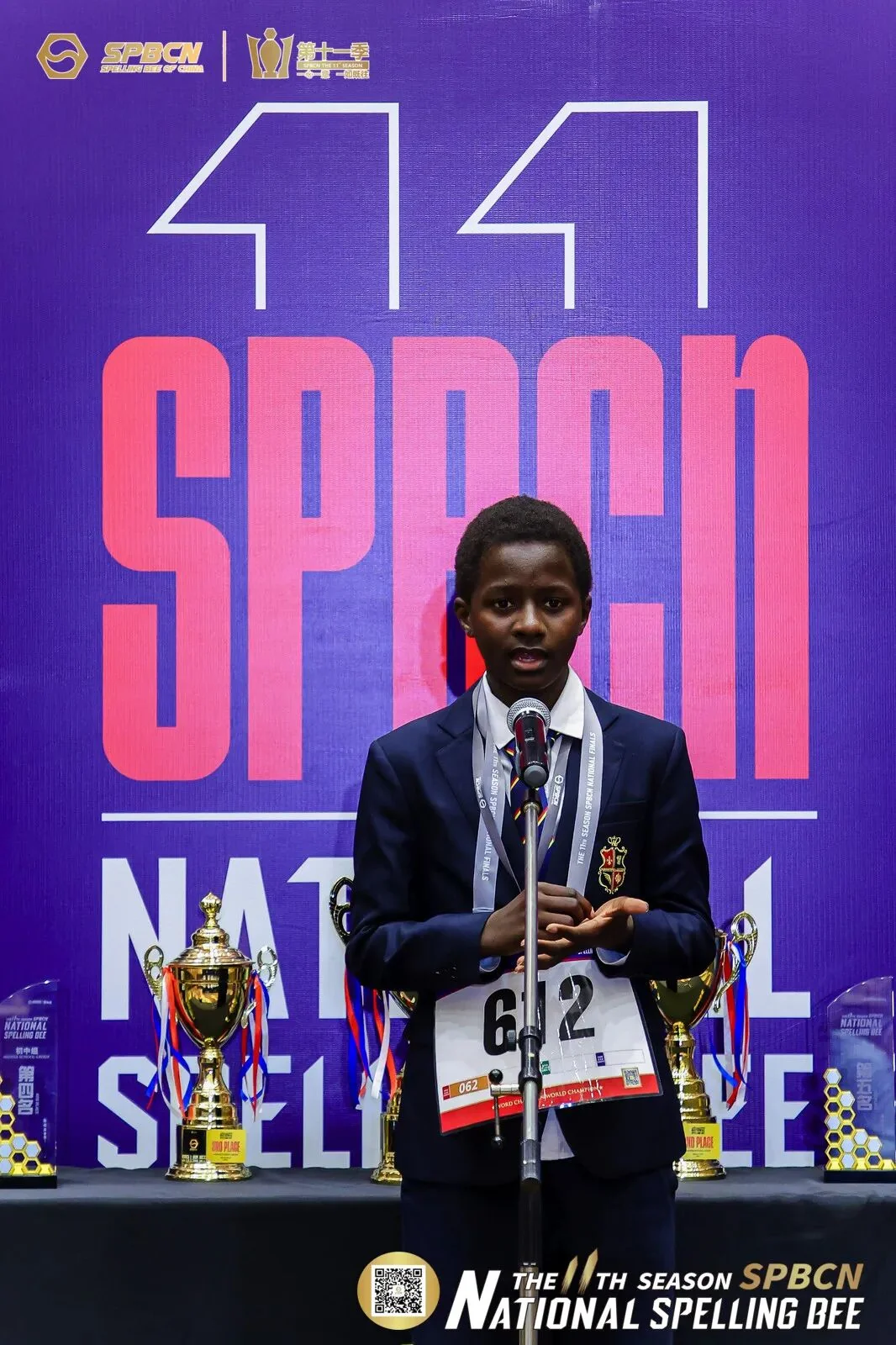
In the end, Priyaan placed fifth in the national junior high school division. Abdullah placed eighth in the semifinals. The other three classmates were eliminated in the second round.
“Actually, I’d never seen many of those words before,” Priyaan said after the competition. “But in our daily studies, we don’t just memorize words—we break them down. When I see a new word, I first think about where its root comes from, whether it has prefixes or suffixes, and what it roughly means, and then I try to spell it out.”
This statement perhaps offers a glimpse into HIS’s approach to junior high school English instruction: we don’t only teach “words,” but rather “methods.”
It’s not about luck when you’re on the field
On the SPBCN competition stage, there’s no room for luck.
With obscure words, polysemous terms, and etymological analysis, all under the pressure of a countdown clock—even the slightest hesitation could cost you a higher ranking.
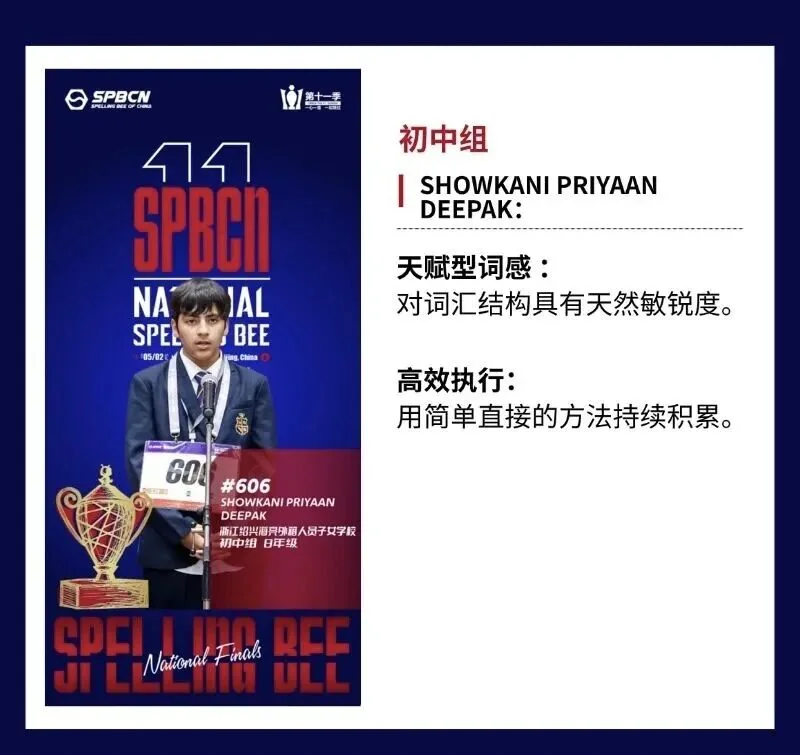
Priyaan advanced from the group stage to the wildcard round and then charged into the final showdown of the national Top 24. In every round, he had to complete the following within seconds: listen to the pronunciation, confirm the definition, analyze the etymology, and spell it out.
“What appears in my mind isn’t a translation, but the word itself,” he said.
This ability to think in English wasn’t crammed in during intensive training; it was cultivated through daily immersion.
At HIS, students come from more than 20 countries and regions around the world. Classes are taught entirely in English, and outside of class, students engage in daily conversations with peers from all over the globe. Listening, speaking, reading, and writing are repeatedly practiced in real-life scenarios. At the same time, students are also encouraged to explore learning Chinese through everyday interactions, cultural activities, and structured language support—allowing them to develop true bilingual confidence while living and studying in China.
It’s 20 minutes a day instead of cramming that matters
Before the competition, the five students did not switch to “intensive training mode.” Their preparation felt more like an extension of their daily routine.
At HIS, there is a tiered English program called the “Smart Vocabulary and Reading Plan.” Each student completes 20–30 minutes of daily vocabulary drills and graded reading assignments, and the system pushes content based on individual proficiency—from phonics for beginners to building a vocabulary of over 3,000 words for intermediate students and analyzing rhetoric and logic for advanced students.
“A little bit every day makes a big difference over time,” said one of the participating students. “During the competition, there were many words I hadn’t specifically memorized, but as I read, I felt like, ‘I’ve seen this word before.’”
In addition to daily practice, the school holds an annual “Spelling Bee Competition,” making spelling a matter taken seriously.