


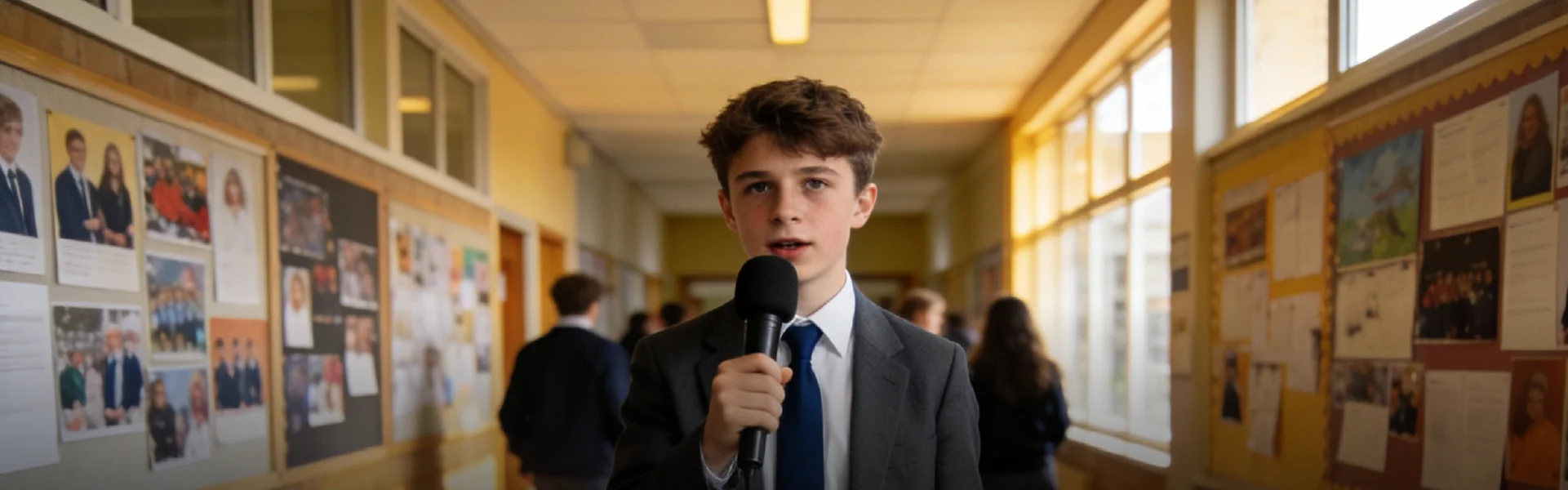
May: Mental Health Month at Hailiang International School – Joy Together, Embrace Yourself, Grow in the Sun
 2026.5.29
May marks the arrival of Mental Health Month at Hailiang International School. This year’s theme is simple yet warm: Joy Together・Embrace Yourself・Grow in the Sun.
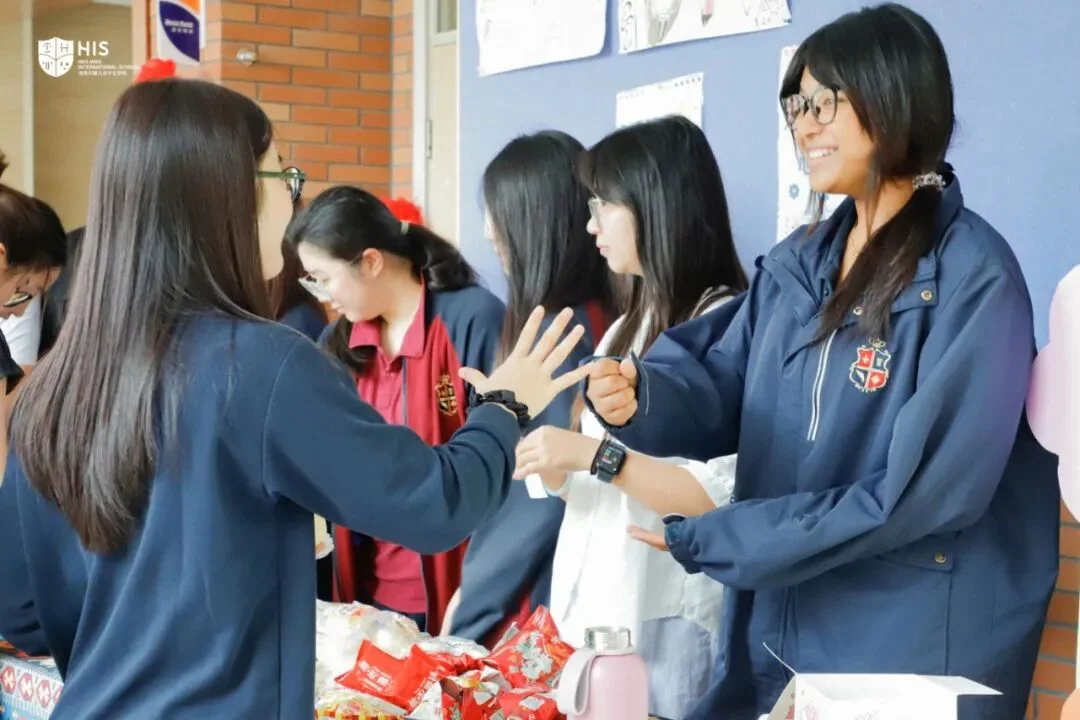
Throughout the month, we prepared both light‑hearted stress–relief games for the entire school community and in‑depth dialogue spaces for adolescents. From the laughter of “One Punch to Beat Away the Blues” to the honesty inside the “Friendship Mystery Box”, and the reflections on “Responsibility and Boundaries” – every activity pointed to the same answer: in a multicultural campus, every child deserves to be seen, heard, and supported.
The Joy Trilogy
During the Mental Health Month, the Psychology Club organized four low‑pressure, high‑interaction experiences:
One Punch to Beat Away the Blues🎯
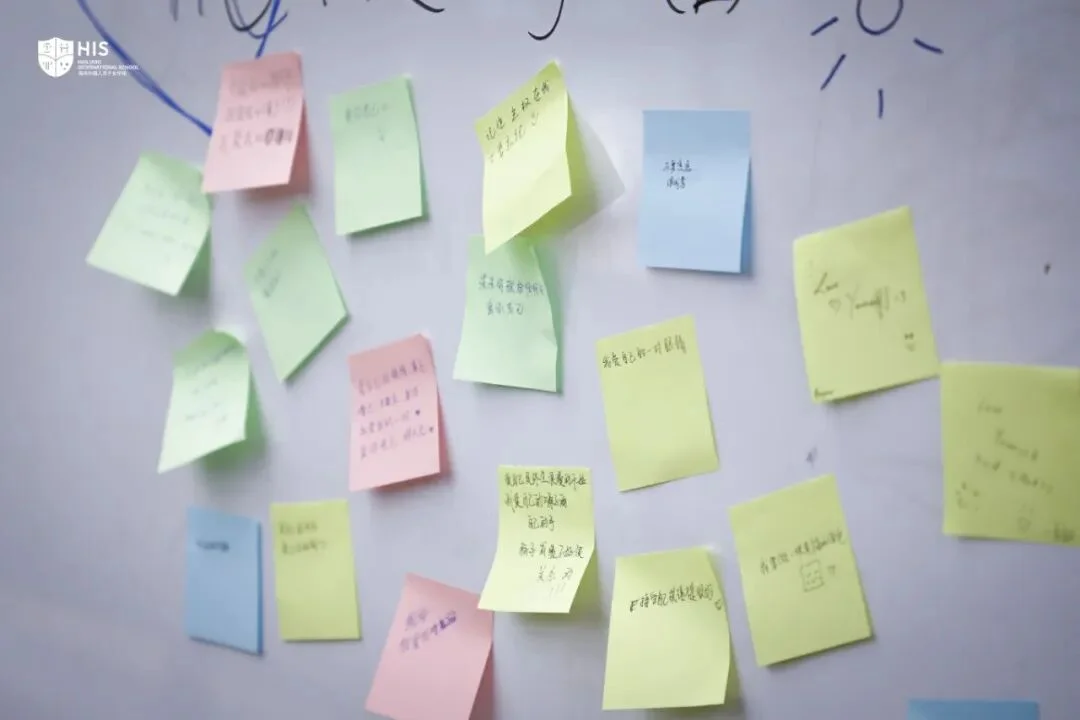
Rock‑paper‑scissors, one round decides it all. Winners pick a small gift; losers write down one happy thing on a sticky note and add it to the “Joy Collection Wall”. Simple rules, but the queue never ended.
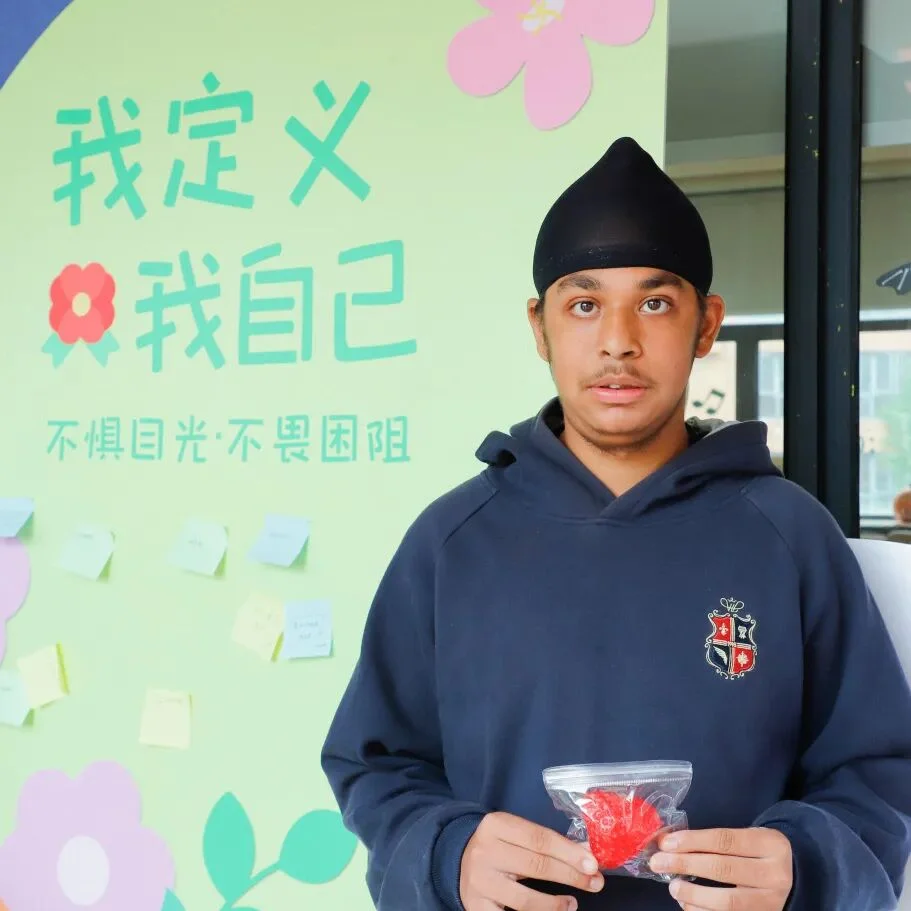
Happy Blind Box Challenge🎁
Draw a random positive mini‑task: high‑five and say “Happy day!”, make a funny face, share a small joy from today… Complete it and claim a prize. No awkwardness, only laughter.
Express Yourself: Emotion Charades😄
Happy, surprised, relaxed, calm… Switch expressions on command. Race your reactions, mimic the faces – stress quietly slips away as you change your expression.
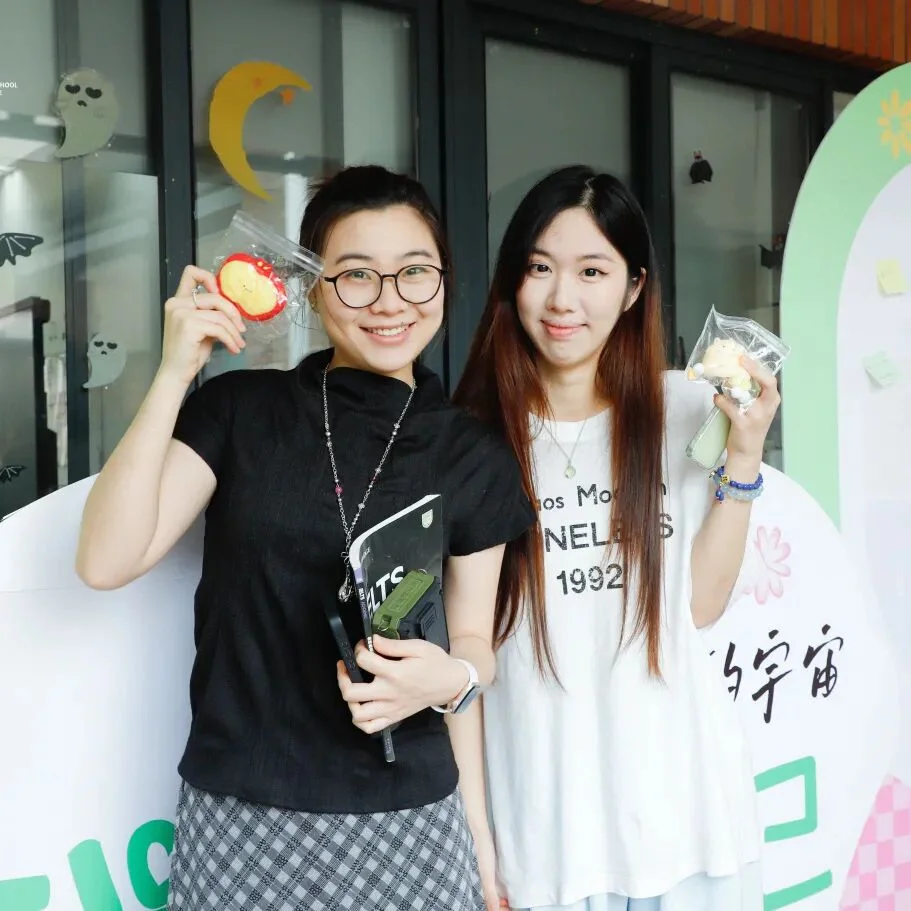
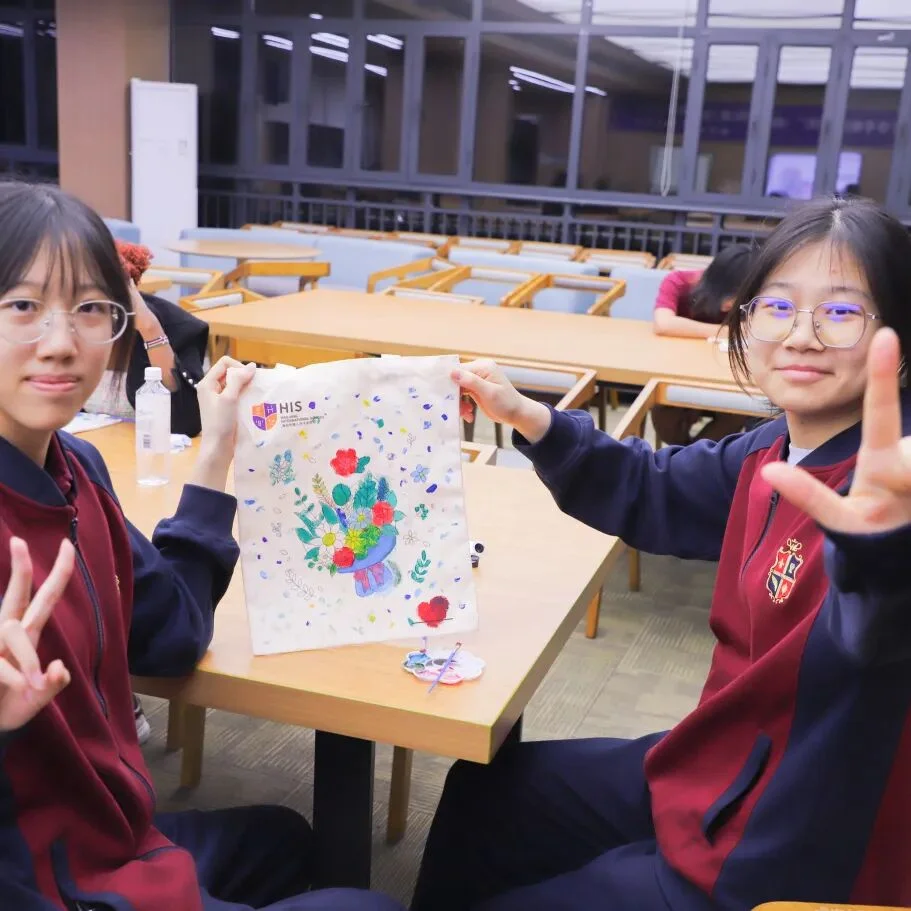
Ribbons Carry Wishes, Brushes Heal Hearts🎨
Write down little acts of self-love, tie them to ribbons, pick up your brush to color and create. Release stress through words and colors, and let negative emotions gently melt away in this soft warmth.
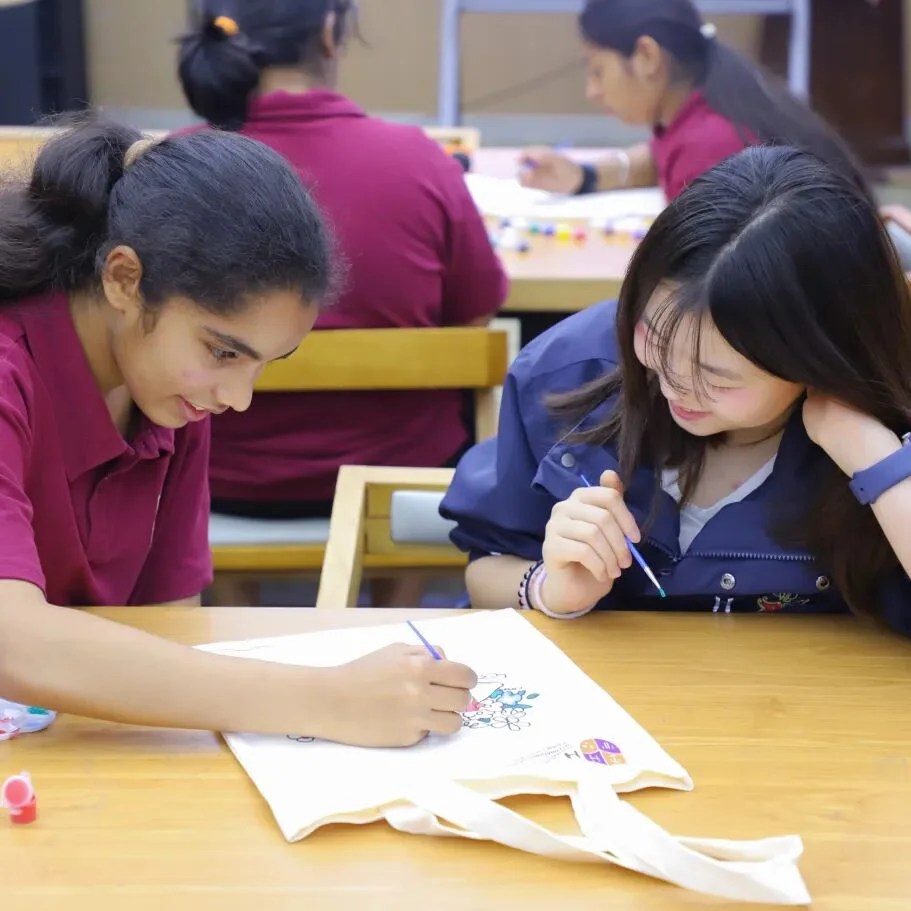
After three days, the “Joy Collection Wall” was completely covered with colourful sticky notes. Small gifts were taken away, but happy memories stayed behind.
Girls’ Talk
If the games were an “emotional outlet” for everyone, the adolescent‑specific sessions were a deeper “heart–to–heart“. Boys and girls face different physical changes, emotional challenges, and social expectations during puberty. That’s why the school chose a gender‑separate, shared‑topic, experience‑based approach, creating safe spaces for boys and girls to grow.
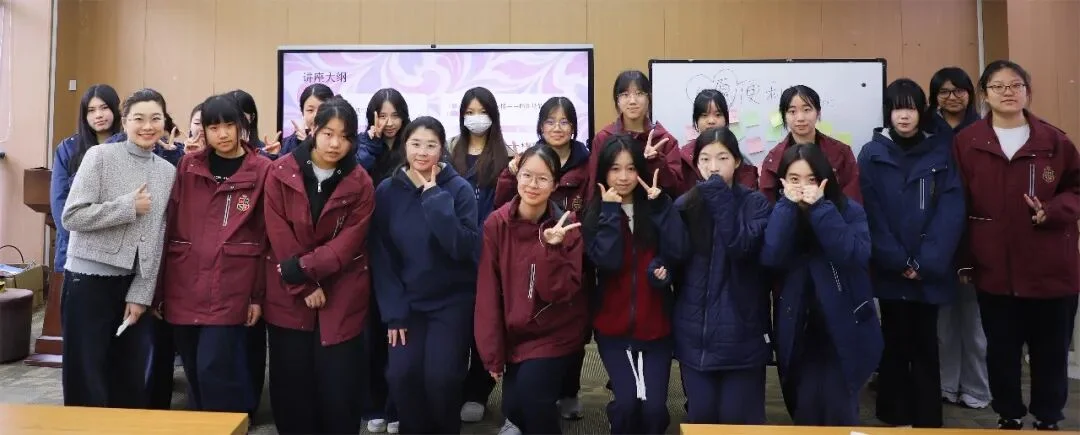
The Girls’ Talk started with an icebreaker called “My Little Happiness”. Some shared about the sweet‑and‑sour pork ribs at the canteen; others talked about a postcard from a friend – the warmth of growing up often hides in these tiny moments.
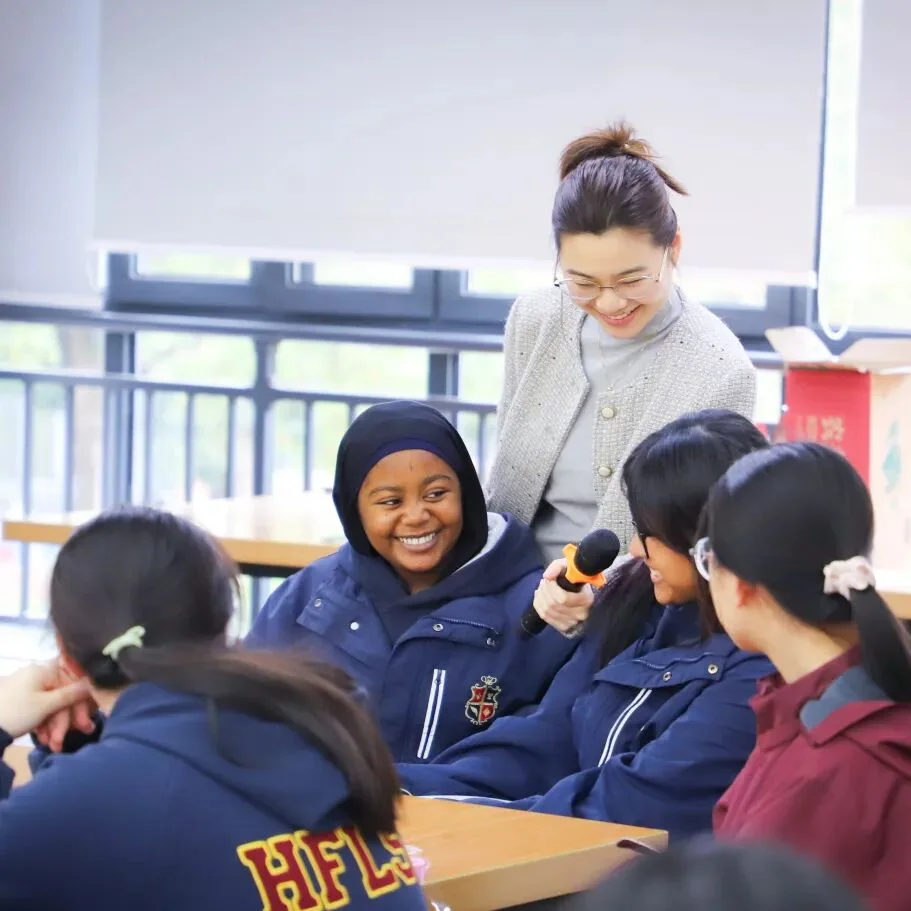
Through the “Friendship Mystery Box”, students anonymously wrote down their hopes and struggles about friendship. One Korean girl wrote: “I wish my friends would come to me first, but I’m always the one to start.” During the discussion, everyone realised that being proactive isn’t “cheap” – it’s brave.
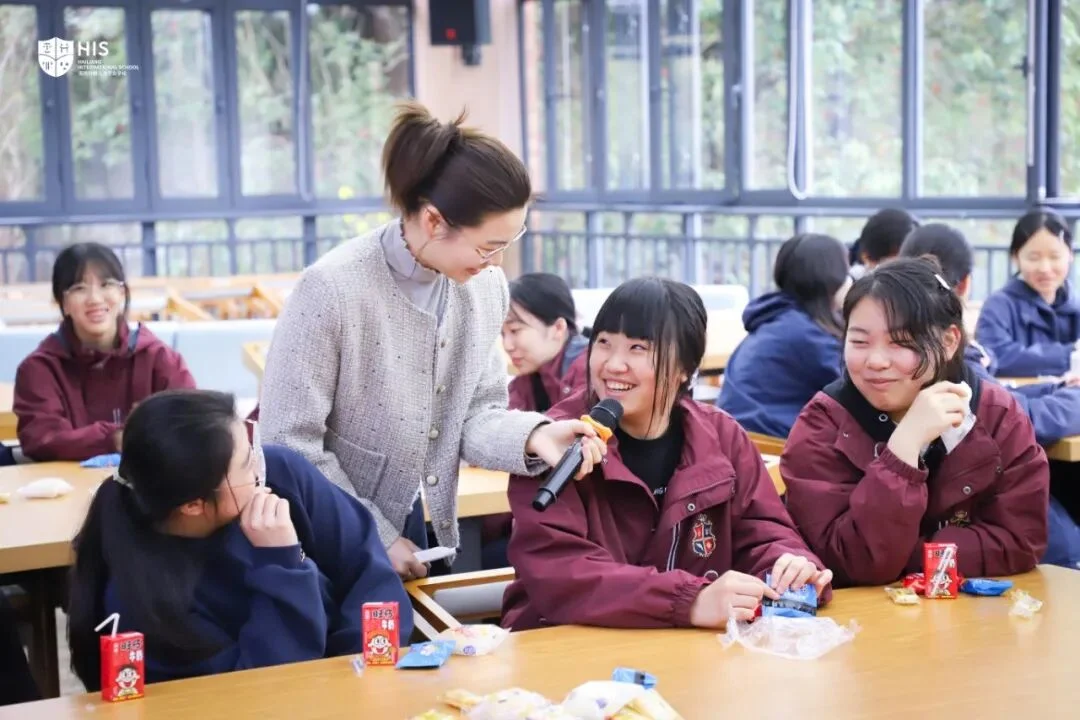
A mini‑debate on “Crush vs. Love” introduced Sternberg’s “Triangle Theory of Love”, helping the girls view their budding feelings with a more mature perspective. Finally, each girl wrote an “I Love Myself” promise on a colourful card and placed it on the wish wall: “Praise myself once a day”, “Say no to things I don’t want to do”…
Boys’ Talk
The Boys’ Talk focused on responsibility awareness and emotion management. Boys need to learn responsibility and boundaries – how to respect others, how to pause when impulsive, and how to express themselves in a mature way.
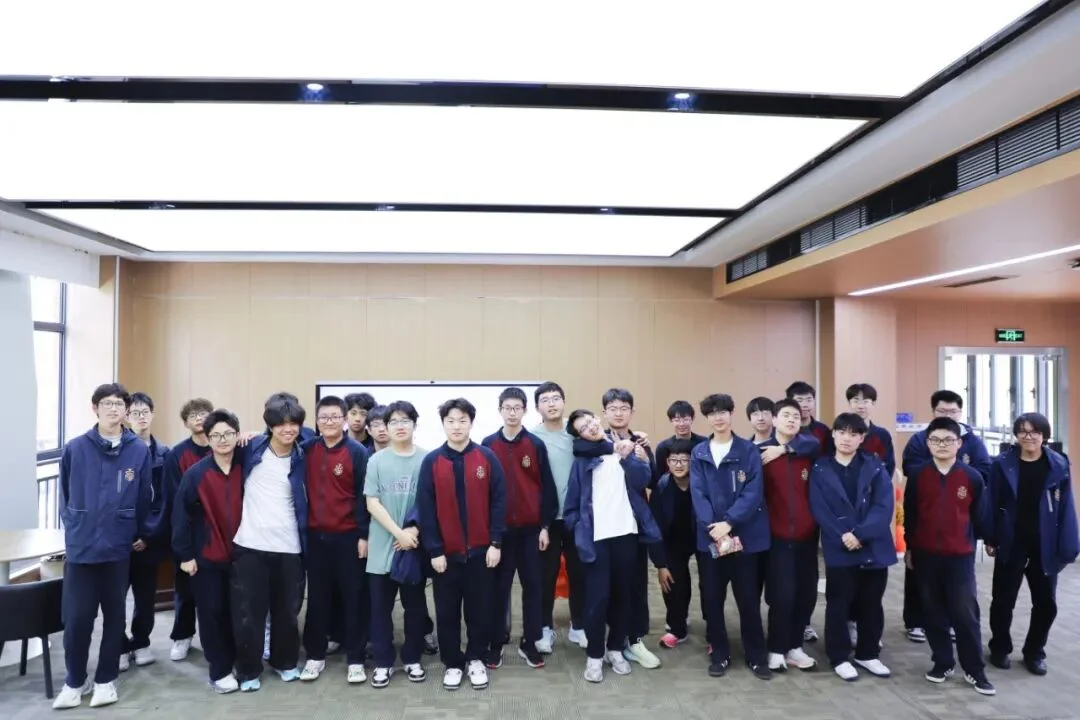
Ms. Dora opened with a question: “What is the real sign that a boy has ‘grown up’?” Answers included voice change, Adam’s apple, lifting heavier weights… She added: “Physical changes are nature’s gift, but psychological maturity – taking responsibility for yourself and thinking of others – is the real pride of growing up.”
During scenario discussions, the boys simulated real‑life dilemmas: A good friend is secretly smoking – should you tell the teacher? After being rejected by someone you like – how do you keep your distance gracefully? Students from different cultural backgrounds gave different answers, but the final consensus was: whatever you choose, have the courage to face the consequences.
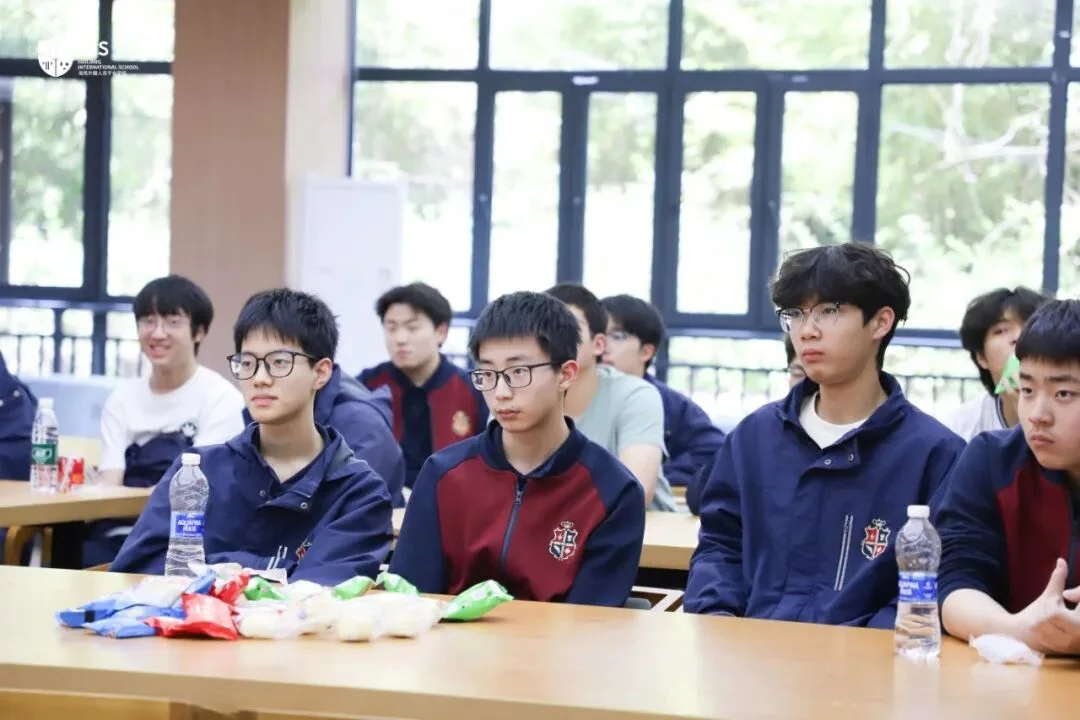
An anonymous question box collected worries like “How do I control my temper?” “What if I’m being teased too much?” The teacher taught practical techniques on the spot, such as the “4‑7‑8 breathing method” and “emotion journaling”. One boy said with surprise: “So boys are allowed to have emotions – and there are ways to deal with them, not just ‘tough it out’.”
Holding separate talks is not about separation, but about providing more focused support. Creating a safe space where they are heard first and then learn to listen to others – this is how we help them eventually understand each other and grow together.
Beyond One Session
The Boys’ Talk and Girls’ Talk were not isolated events – they are part of the school’s comprehensive mental health education system. At HIS, we also offer:
- Mentorship Programme: Every student has a dedicated mentor and meets regularly for one‑on‑one conversations.
- PSHE Curriculum: Personal, Social, Health and Economic education lessons systematically teach adolescent development.
- Cross‑cultural Salons: Parents and teachers from different countries share coming‑of‑age stories and traditions, helping students understand that there is no single “correct script” for adolescence – but respect and responsibility are universal principles.

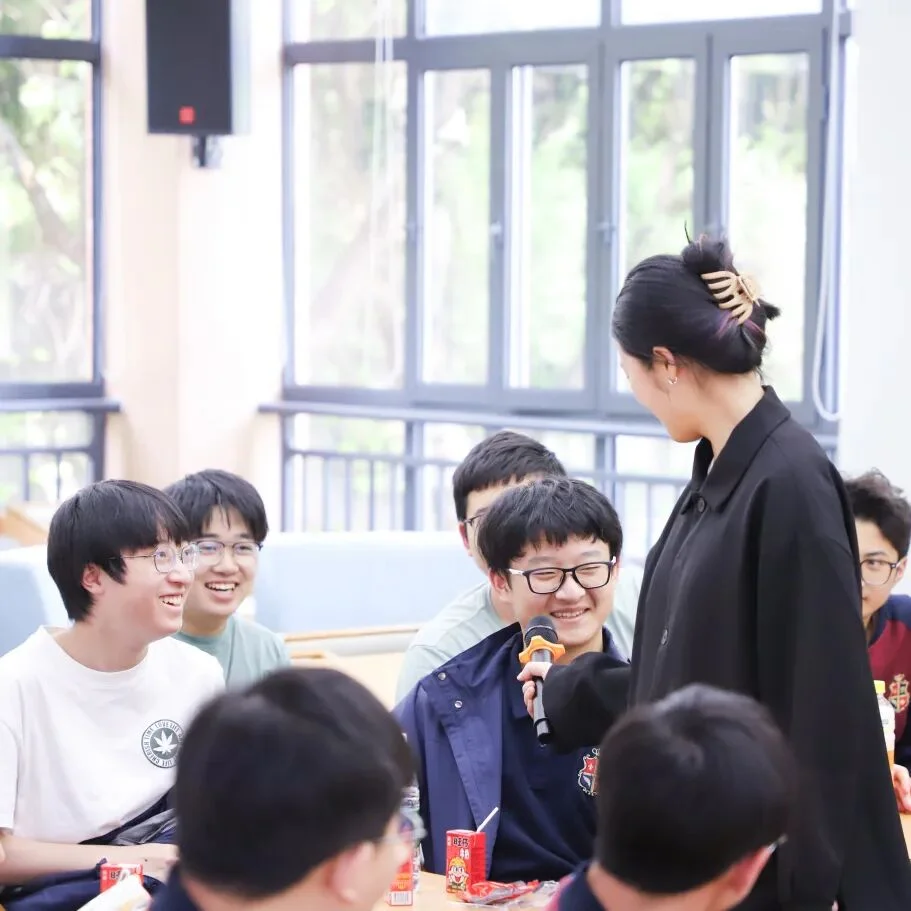
As one teacher put it: “We don’t avoid the messiness of growing up. We walk alongside our students as they untangle it, piece by piece.”
Epilogue
May is almost over, but mental health education never ends.
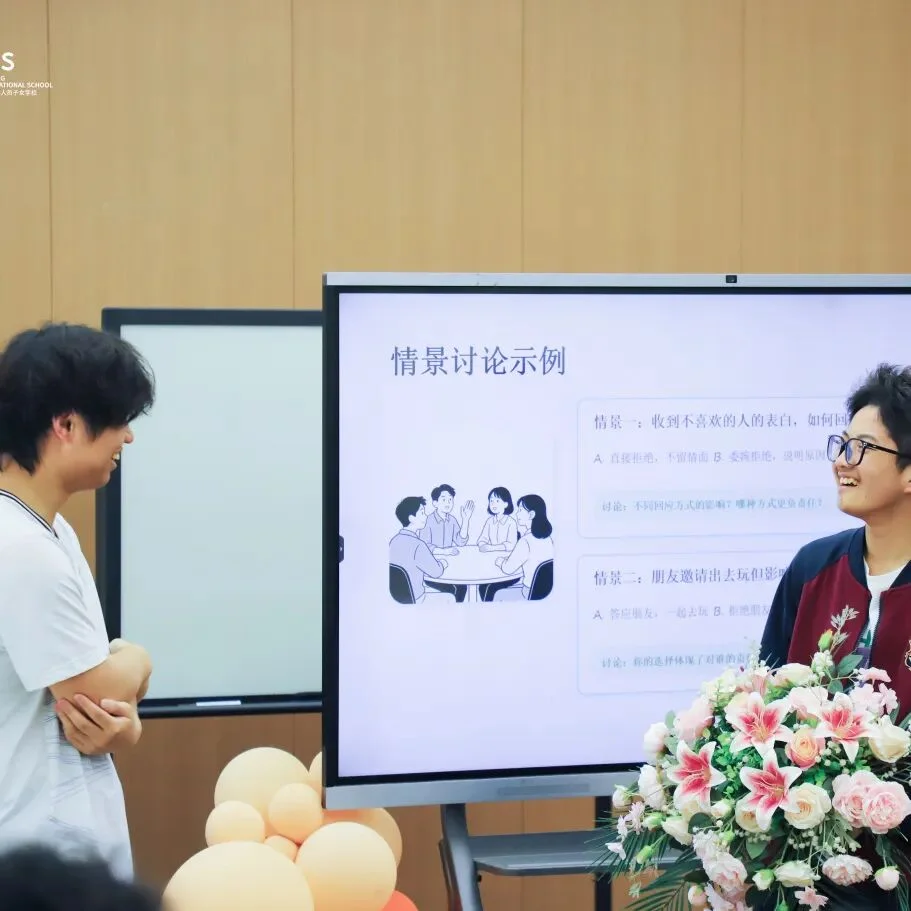
From the unrestrained laughter of “One Punch to Beat Away the Blues”, to the honest sharing inside the “Friendship Mystery Box”, and the deep reflections on “Responsibility and Boundaries” – HIS has used this month to tell every child:
Your emotions deserve to be seen,
your questions will not be laughed at,
and someone will walk with you, step by step.
Joy Together, Embrace Yourself, Grow in the Sun.
We are always on this journey together.